kimkat2652e A Welsh Grammar -
Historical and Comparative. 1913.
John
Morris-Jones (1864-1929).
2650k
Gwefan Cymru-Catalonia.
21-11-2025





.....
|
(delwedd 003) |
Gwefan Cymru-Catalonia A Welsh Grammar - Historical and
Comparative |
|

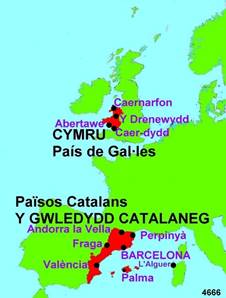
.....
|
2644e Tudalennau |
Rhan 2: Tudalennau |
Rhan 3: Tudalennau §41- §75 |
Rhan 4: Tudalennau §75- §99 |
Rhan 5: Tudalennau §99- §120 |
Rhan 6: Tudalennau §120- §148 |
Rhan 7: Tudalennau §148- §165 |
Rhan 8: Tudalennau §165- §189 |
Rhan 9: Tudalennau §189- §209 |
Rhan 10: Tudalennau §209- §224 |
Rhan 11: Tudalennau (y mynegai) |
|
Secció 1: Pàgines |
Secció 2: Pàgines |
Secció 3: Pàgines §41- §75 |
Secció 4: Pàgines §75- §99 |
Secció 5: Pàgines §99- §120 |
Secció 6: Pàgines §120- §148 |
Secció 7: Pàgines §148- §165 |
Secció 8: Pàgines §165- §189 |
Secció 9: Pàgines §189- §209 |
Secció 10: Pàgines §209- §224 |
Secció 11: Pàgines (index) |
|
Part 1: Pages |
Part 2: Pages |
Part 3: Pages §41- §75 |
Part 4: Pages §75- §99 |
Part 5: Pages §99- §120 |
Part 6: Pages §120- §148 |
Part 7: Pages §148- §165 |
Part 8: Pages §165- §189 |
Part 9: Pages §189- §209 |
Part 10: Pages §209- §224 |
Part 11: Pages (index) |
Gweler hefyd / Vegeu també / See also: https://en.wikisource.org/wiki/A_Welsh_Grammar,_Historical_and_Comparative
.....
|
|
|
|
||||||||||||||||||||||||||||||||||||||||||||||||||||||||||||||||||||||||||||||||||||||||||||||||||||||||||||||||||
|
|
|
350 Accidence § 189 The Bret. form is ema, ma, Corn. yma, ymma, ma, pl. ymons; the last form confirms the assumption of oe by preserving the o. (3) oes occurs after nyt (nid), nat (nad), the interr. part. a, and od ‘if’, in each case when the subject is indefinite. nyt oes represents *nitaisti < *n’ ita esti ‘there is not’. The positive *esti ita ‘there is’ > *estīta > yssit. Similarly ossit ‘if there is’ < *ā ’stīta § 222 v (1). In Ml. W. yssit is only a survival, having been generally replaced by y mae. As nid oes means literally ‘there is not’, it is natural that its subject should be indefinite. But early examples of a definite subject occur: cinnit hoys ir loc guac hinnuith in pag. reg. cp. ‘though there is not that empty place in the regular page’; nat oes hi w.m. 470 ‘that there is not [such a one as] she’; in r.m. 113 this becomes nat ydiw y vorwyn ‘that the maid is not’. (4) yssyẟ, syẟ, etc. < *estíi̯o < *estí i̯o § 162 vi (1). ys < *esti § 179 ix (3)—panyw ‘that it is’ § 222 x (2). (5) oeẟ see § 75 iv (2), § 180 ii (3), yttoeẟ § 180 ii (3), q.v. iv. (1) From √bheu̯ā- ‘be’ there was an iterative derivative *bh(u̯)ii̯ō which gives Ir. bīuu ‘I am wont to be’, Lat. fīo. The three persons of the sg. *bhu̯íi̯ō, *bhu̯íi̯ēis, *bhu̯íi̯ēit would all give W. byẟ, which was afterwards inflected byẟaf, byẟy, byẟ by analogy. In Kelt., Ital., Germ., there are also athematic forms of this verb; thus there were sg. 2. *bhu̯ī-si > Lat. fīs, 3. *bhu̯ī-ti > Lat. fīt, W. bid. [Lat. fīo takes its long ī from these.] The Early Ml. W. fut. bi is a future of this form, representing *bhu̯ī-sēit (or *bhu̯ī-ēit?). The forms byẟhawt, biawt are of course formed by adding ‑(h)awt to byẟ, bi. (2) The opt. of *bh(u̯)ii̯ō, sg. 1. *bh(u̯)íi̯oi‑m̥ might give byẟwn, but prob. the whole tense is a later formation from byẟ. (3) The perf. bu-um, etc. is obviously formed from the 3rd sg. by the addition of the perf. endings ‑um, etc. § 182 iv (1). The 3rd sg. bu, Ir. bōi, bāi represent Kelt. *(be‑)bāu̯e < Ar. *bhe-bhōu̯e: Av. bavāva; § 76 iii (5). (4) The pres. subj. bwy(f) represents the ‑se- fut. of √bheu̯ā‑; thus *bh(u̯)ā-sō > bwy etc. § 183 ii. The impf. subj. sg. 3. bei < *bii̯ī́t < *bai̯ī́t < *bh(u̯)ə-si̯ḗt. From bei was deduced bwn as in bei et-vwn ii (3); but later bewn, as if bei were *be-ei; in Mn. W. when bei had become bai, the 1st sg. became bawn; and in the late period bai itself came on the analogy of this to be treated as bâi and sometimes written bae, see § 185 i (3). The initial p- is for *b-h- with ‑h- from pl. forms; see § 183 ii (3). (5) The impv. sg. 2. byẟ is from *bh(u̯)íi̯e the crude stem of *bh(u̯)íi̯ō. The 3rd sg. bid is from *bh(u̯)ītó the 3rd sg. opt. mid. of stem *bhu̯ā‑; see § 184 ii (1) and § 180 iv (2). The 3rd sg. boed or poed is a re-formation from the subj. stem. The pl. forms are obvious re-formations. (6) The v.n. bod implies Brit. *butā, which (as there is both in Ir. also) may be a Kelt. formation beside *bhu-t‑is which gives Ir. buith: Gk. φύσις. Like other v.n.’s bod has been made mas.; but in compounds it remains f., as ha-fod, eistedd-fod, preswyl-fod. |
||||||||||||||||||||||||||||||||||||||||||||||||||||||||||||||||||||||||||||||||||||||||||||||||||||||||||||||||||
|
|
|
|
||||||||||||||||||||||||||||||||||||||||||||||||||||||||||||||||||||||||||||||||||||||||||||||||||||||||||||||||||
|
|
|
§ 190 Verbs 351 Compounds of the Verb ‘To Be’. § 190. i. (1) The verbs of the v.n.’s cánfod ‘to perceive’, dárfod ‘to waste away; to happen’; górfod ‘to overcome’; hánfod ‘to be from; to come’, are conjugated with the b-forms of the verb ‘to be’; as canffýddaf, etc. In Ml. W. canfod appears generally with the pref. ar‑. Pres. (fut.) ind.: sg. 1. gorvyẟaf c.m. 61, 70;—2. henbyẟy w.m. 97;—3. dervyẟ c.m. 43, gorvit (≡ gorvyẟ) b.b. 52; dy-ẟerbi r.p. 578, dy-worpi do. 585;—impers. gorvyẟir w.m. 82, r.b.b. 152, c.m. 13. Impf. ind. sg. 1. gorvyẟwn w.m. 131;—3. hanbyẟei w.m. 141. Perf.: sg. 1. Mn. canfū́m § 191 ii (5);—3. kanvu r.p. 1143, arganvu c.m. 50, s.g. 7, darvu c.m. 59, gorvu w.m. 89;—pl. 1. darfuam b.b. 105;—3. darvuan b.b. 6;—impers. arganvuwyt w.m. 49, darvuwyt r.p. 1296.—Plup.: pl. 3. gorvuassynt c.m. 68. Pres. subj.: sg. 1. hanbwyf m.a. i 301b;—2. hanpych gwell r.m. 87, w.m. 185, s.g. 1, hanbych well p 16/44, Mn. W. henffych well ‘may you come well!’ i.e. welcome! (gwell not orig. cpv. § 148 i (4));—3. darffo s.g. 17, c.m. 42, 59, gorpo b.b. 17, hanffo Ỻ.A. 131, c.m. 33;—pl. 3. gorffont r.b.b. 222;—impers. gorvyẟer c.m. 13, gorffer do. 22. Impf. subj.: sg. 3. darffei c.m. 68, 29, gorffei r.m. 163, hanphei c.m. 55, hampei do. 58. Irnpv.: sg. 3. derffit r.p. 1044, r.m. 155; dervhid b.b. 91. V.n. arganvot w.m. 54, darvot c.m. 32, gorvot w.m. 56, hanvot do. 460;—v. adj. darvodedic Ỻ.A. 86, Mn. W. darfodedig ‘perishable’. (2) In darfod two verbs have prob. merged: (a) darfod ‘to waste away, to perish’ < dar‑: Gk. φθείρω § 98 i (4);—(b) darfod ‘to happen’ < *do-ári- § 156 i (13). The latter is used in the 3rd sg. only, see § 196, as Beth a ẟarvu uẟunt wy? Ỻ.A. 7 ‘What happened to them?’; often as a so-called “auxiliary”; as pei na ẟarffei ẏ’r dwst gyvodi c.m. 68 ‘if the dust had not risen’; deryw in Ml. W. is generally thus used. In Mn. W. it is replaced by darfu; but the pres. had a past force from the sense of ‘afore(time)’ in the prefix. The v.n. darfod introduces noun-clauses corresponding to direct statements with deryw, as Ml. W. wrth ry-ẟarvot iẟaw ẏ r͑oẟi s.g. 32 ‘since he had given it’. Examples: (a) derfydd f. 27 ‘will perish’, darfu D.G. (§ 160 i (1)) ‘is spent’, darfyẟant Job iv 9 ‘they perish’, ni ddarfu 1 Bren. xvii 16 ‘wasted not’, darvuan b.b. 6 ‘they perished’;—(b) darffo 1 Cor. xv 54, darfu ’m (for darfu ym) Gr.O. 98 ‘it happened to me’, i.e. I did; y darffai d. 112; a vynno Duw derffit r.m. 155 lit. ‘what God will let it come to pass’. |
||||||||||||||||||||||||||||||||||||||||||||||||||||||||||||||||||||||||||||||||||||||||||||||||||||||||||||||||||
|
|
|
|
||||||||||||||||||||||||||||||||||||||||||||||||||||||||||||||||||||||||||||||||||||||||||||||||||||||||||||||||||
|
|
|
352 Accidence § 190 (3) canfod, gorfod and hanfod contain respectively the prefixes cannh- § 156 i (7), gor- do. i (17), and han‑ do. ii (3). gorfod is chiefly used in the 3rd sg. in Mn. W., as gorfu i or gorfu ar ‘was obliged’ § 196 vii. For the verb the v.n. is often used, as gorfod iddo for gorfu iddo, cf. a heẟiw yn gorvot arnam … ymwahanu c.m. 50 ‘and to-day we must part’. ii. (1) In addition to the above forms Ml. W. has a pres. and impf. formed with ‑wyf and ‑oeẟwn. These survived in Early Mn. W. Before ‑yw, ‑ym, ‑ywch, ‑ynt, ‑a- is affected to ‑e‑; the ‑e- often intrudes into forms with ‑wyf, ‑wyt, and vice versa ‑a- often occurs before ‑yw, etc. Thus: Indic. pres.: sg. 1. hanwyf w.m. 3, henwyf r.m. 2, cannwyf D.G. 200;—2. hanwyt w.m. 3, 191, henwyt r.m. 2;—3. cennyw r.p. 1433, D.G. 205, deryw, derw w.m. 99, henyw s.g. 13, hanyw L.G.C. 9;—pl. 1. henym Ỻ.A. 164;—3. henynt Ỻ.A. 169. Mil ar benn bryn a’i cennyw.—G.Gl., p 75/159. ‘A thousand behold it [the mansion] on the top of the hill.’ Na sonier am a dderyw.—I.G. 289. ‘Let there be no mention of what has happened.' Mawrserch Ifor a’m goryw; Mwy na serch ar ordderch yw.—D.G. 3. ‘The great love of Ivor overcomes me; it passeth the love of woman.’ Impf.: sg. 3. canhoeẟ w.m. 64, r.m. 46 ‘could see’, daroeẟ s.g. 25 ‘happened’, hanoeẟ do. 41;—pl. 3. hanhoeẟynt s.g. 15, r.p. 1047. Ymddiried im a ddaroedd.—G.Gl., m 146/168. ‘He trusted in me.’ (Elliptical, for a ẟaroeẟ iẟo ‘happened to him’, i.e. he did.) O’r hen arglwyddi’r hanoedd.—L.G.C. 2. ‘She was descended from the lords of old.’ O'r hen wŷdd yr hanoeddych.—I.H.S., Ỻ 133/2 1 2. ‘You are descended from the old stock.’ (2) Beside hanwyf etc., Ml. W. has handwyf, handwyd, handid, handym, handoetud, handoet (t ≡ ẟ) all in m.a. i 358, handid b.b. 33, 107, handoeẟ r.p. 1432, handoet w. 1a. These seem to be formed from an extension of the prefix, such as *sani-ti, cf. hefyd § 220 ii (8), giving before a vowel hand- § 113 i (2); by analogy *hand-fid > hand-id, cf. § 110 iii (3); handyvyt m.a. i 358 makes the line too long.—ny handei w.m. 183, r.m. 85 |
||||||||||||||||||||||||||||||||||||||||||||||||||||||||||||||||||||||||||||||||||||||||||||||||||||||||||||||||||
|
|
|
|
||||||||||||||||||||||||||||||||||||||||||||||||||||||||||||||||||||||||||||||||||||||||||||||||||||||||||||||||||
|
|
|
§ 191 Verbs 353 makes no sense; a better reading seems to be ny hanẟenei p 16/43 (w.m. p. 92) ‘he could not rest’ (hanẟen, by dissim. > Mn. W. hamẟen ‘leisure’, hamẟenol ‘leisurely, slowly’; han- ‘without’ + den, √dhen‑: Skr. dadhan-ti ‘causes to run’). iii. The verb cyfarfyddaf â ‘I meet’ is conjugated like the above verbs (v.n. kyvarvot w.m. 58, 125, perf. sg. 3. kyvarvu do. 170, plup. sg. 3. cyfarvuassei ib.), except that the old forms were obsolete in Late Ml. W. But D.B. has kyveryw a mi r.p. 1385 ‘has met me, happened to me’; and ry-gyveryw a occurs in w.m. 42, changed to ry-gynneryw a in r.m. 29, as if it were a compound of deryw, the form cyveryw being apparently unknown, and the u (≡ v) mistaken for n. iv. In the dialects darfyddaf and cyfarfyddaf, the most commonly used of these verbs, are mostly conjugated as if they were regular verbs; and such barbarisms as darfyddodd, cyfarfyddais, canfyddais occur in recent writings. The impf. hanoedd seems to have survived the other obsolete forms; this was mistaken for an aor. hanodd, from which was inferred an imaginary v.n. hanu, common in recent biographies. § 191. i. (1) The verbs gwnn (gwn) ‘I know’, v.n. gwybot (gwybod), and adwaen ‘I am acquainted with’, v.n. adnabot (adnabod), are conjugated as follows in Ml. (and Mn.) W.
|
||||||||||||||||||||||||||||||||||||||||||||||||||||||||||||||||||||||||||||||||||||||||||||||||||||||||||||||||||
|
|
|
|
||||||||||||||||||||||||||||||||||||||||||||||||||||||||||||||||||||||||||||||||||||||||||||||||||||||||||||||||||
|
|
|
354 Accidence § 191
|
||||||||||||||||||||||||||||||||||||||||||||||||||||||||||||||||||||||||||||||||||||||||||||||||||||||||||||||||||
|
|
|
|
||||||||||||||||||||||||||||||||||||||||||||||||||||||||||||||||||||||||||||||||||||||||||||||||||||||||||||||||||
|
|
|
§ 191 Verbs 355
(2) The verb cỿdnabỿddaf ‘I recognize’, v.n. cydnabod, has pres. ind. cỿdnabỿddaf, impf. ind. cỿdnabỿddwn, and the rest of the verb like adwaen. ii. (1) In the pres. indic. the endings of the 2nd sg. and the pl. are seen to be those of the perf. and aor. In the dialects the 3rd pl. has ‑on beside ‑an. But adwaen has also the pres. endings; thus beside adwaenam Ỻ.A. 164 ‘we know’ we find adwaenwn w.m. 25 ‘we know’; so atweynwch c.m. 12; Mn. W. adweini Es. lv 5 ‘thou knowest’. (2) Both the 1st and 3rd sg. pres. ind. were adwaen or adwen; the Mn. W. 3rd sg. edw̯yn is a new formation from adwen (on the analogy of etyb ‘answers’ §173 iv (i)). Examples: 1st sg. adwaen b.b. 102, atwaen s.g. 72, atwen w.m. 390; 3rd sg. attwen h.m. ii 235, Atwen mab ae llocha, ac nyt atwen ae kar r.b. 964 ‘a child knows who fondles him, but does not know who loves him’; pawb adwaen pwy I.G. g. 79 ‘everybody knows who’. Yr ydwyf, hyd yr adw̯en, Yn dwyn haint ni’m gad yn hên.—D.G. 443. ‘I am, as far as I know, suffering from a disease that will not spare me to old age.’ A’r un sud, er nas edw̯yn, Y inesur Duw amser dŷn.—B.Br., f. 15. ‘And in the same manner, though he knows it not, does God measure man’s life.’ |
||||||||||||||||||||||||||||||||||||||||||||||||||||||||||||||||||||||||||||||||||||||||||||||||||||||||||||||||||
|
|
|
|
||||||||||||||||||||||||||||||||||||||||||||||||||||||||||||||||||||||||||||||||||||||||||||||||||||||||||||||||||
|
|
|
356 Accidence § 191 (3) The 3rd sg. impf. ind. has the ending ‑ẏat, ‑at, Mn. W. ‑i̯ad. The ending ‑ei is rare in Ml. W.: gwyẟyei b.a. 6, r.p. 1264. The ‑ẏ- (≡ i̯) in gwyẟẏwn etc. doubtless spread from ‑ẏat; it did not come into general use. In Mn. W. ‑i̯ad survived in poetry, but gwyddai, adwaenai became the usual forms. See gwyẟẏat w.m. 183, r.m. 85, s.g. 11, atwaenat s.g. 72, w.m. 150. Yr oedd i rai a wyddiad Obaith dyn o fab i’th dad.—T.A., a 14694/117. ‘There was, to those who knew, hope of a man in a son of thy father.’ See adwaeniad D.G. 430, T.A. g. 234. (4) On the ‑t- for ‑d- before w̯, see § 111 v (2). (5) Note the accentuation of gwybū́m, adnabū́m, in which the last syllable has a late contraction, § 41 iii. Uncontracted gwybū́-um occurs as late as the 15th cent.; see § 33 iv. The 3rd sg. gẃybu, adnábu has no contraction, and is accented regularly. O’r tad Hywel ap Cadell, Nid adnabū́m dad neb well.—T.A., c 84/849. ‘[Sprung] from his father, H. ap C.,—I have not known a better father to anyone.’ Cf. adnabûm, so accented, b.cw. 105; so canfûm do. 16, 91. Ml. W. gwybuum w.m. 389, adnabuum ib. iii. (1) gwnn probably comes from *u̯indṓ § 66 iii (1), or middle *u̯indṓi: Skr. vindá-ti ‘finds’, Ir. ro-finnadar ‘is wont to know’, √u̯eid- with ‑n- infix. The 3rd sg. gŵyr seems to be a deponent form made by adding the impers. *‑re directly to the root § 179 viii (2); thus *u̯eid-re > *u̯eig-re (§ 104 iv (3)) > gŵyr.—The 2nd sg. gwẟost represents a periphrastic form *u̯idós’si, verbal adj. + verb ‘to be’, the remnant of a tense like euthum, re-formed in the pl. with aor. endings § 182 iv (1). In Mn. W., and occasionally in Late Ml. W. gwẟ- becomes gwyẟ- on the analogy of the other tenses. The impers. gwŷs prob. represents a passive *u̯id-tos (’st). The tense replaces the old perf. with pres. meaning, *u̯oida: Gk. οἶδα. (2) The impf. 3rd sg. gwyẟiad may be for *gwẟiad § 180 iv (1). The 2nd sg. gwyẟut may represent a thematic *u̯eidoithēs, in which case its wy is original; and the 3rd sg. may have taken wy from this. The wy is the falling diphthong: Pob meistrolrw͡ydd a w͡yddud D.G. 460. (3) The rest of the verb comes from periphrastic tenses formed of a present participle of some such form as *u̯eidans and the verb ‘to be’. iv. (1) adwaen corresponds to Ir. ad-gēn, which comes from *ati-gegna, re-formed in Kelt. for *g̑eg̑nōu: Skr. jajn̑ā́u, Lat. nōv‑i, √g̑enē‑; but W. adwaen, which is for *adwoen § 78 ii (1) (2), contains ‑u̯o- as pointed out by Rhys, RC. vi 22; it seems also to have the vowel of the reduplicator elided; thus adwaen < *ati-u̯o-kn‑a < *ati-u̯o‑g’gn‑a. It may however represent *ad-wo-ein < *ati-u̯o-gegn‑a. The 3rd sg. had *‑e for *‑a and gives the same result in W. The rest |
||||||||||||||||||||||||||||||||||||||||||||||||||||||||||||||||||||||||||||||||||||||||||||||||||||||||||||||||||
|
|
|
|
||||||||||||||||||||||||||||||||||||||||||||||||||||||||||||||||||||||||||||||||||||||||||||||||||||||||||||||||||
|
|
|
§ 192 Verbs 357 of the tense is formed from adwaen‑ as a stem on the analogy of gwẟost etc., or with pres. endings. (2) The impf. ind. is a new formation from the same stem, except the 3rd sg., which may be old. The form atwaenat may however be for atweinat s.g. 36 which would represent regularly *ati-u̯o-gn‑i̯a-to < *‑g̑n‑i̯ə-tó 3rd sg. opt. mid. (3) The rest of the verb comes from periphrastic tenses formed with the prefix *ati- only, and a verbal adj. *gnau̯os < *g̑nə-uo‑s (: cf. Lat. gnāvus < *g̑n̥̄-u̯o‑s), with the verb ‘to be’. This implies that ‑nab- is for ‑nawb- (cf. clybot § 194 v (4)); the ‑aw‑ is attested in O.W. amgnaubot ox., which must be the same formation with a different prefix. (This ‑au- cannot be from ‑ā‑, which would give ‑o- in the penult.) § 192. i. (1) pieu (Mn. W. pḯ-au) ‘whose is?’ contains the dative of the interrogative stem *qu̯i- and ‑eu ‘is’, a weak form of *wy, which elsewhere became yw ‘is’ § 179 ix (3). The forms of the verb that occur in Ml. W. are as follows; most of them are re-formations from pieu, the ‑eu- generally unrounded to ‑ei- before v or ff: Pres. ind.: sg. 2. piwyt see ii (1) below;—3. pieu;—pl. 3. piewynt (for *pieu-ynt) w.m. 83. Impf. ind.: sg. 2. pieuoetud (t ≡ ẟ) see ii (3) below;—3rd sg. pioeẟ w.m. 117, pieuoeẟ r.m. 196, piewoeẟ w.m. 121, pieweẟ do. 129, pioweẟ do. 178, pieoeẟ do. 135;—3rd pl. pioeẟynt s.g. 426. Fut.: sg. 3. pẏeuvyẟ (ẏ ≡ i) a.l. i 179 ms.b., pieivyẟ ib. ms.d., h.m. ii 81;—pl. 1 pieifyẟwn c.m. 42. Perf.: 3rd sg. pieivu w.m. 394, r.m. 252, pievu w.m. 394. Pres. subj.: 3rd sg. pẏeẏfo (ẏ ≡ i, f ≡ ff) a.l. i 196. Impf. subj.: 3rd sg. pieiffei s.g. 299, pieivyẟei do. 324. (2) In Mn. W., only the 3rd sg. is used. The forms are— Indic. pres. pḯau;—imperf. pḯoedd L.G.C. 168, I.Ỻaf. c.c. 352, accented pïṓedd by T.A., c 84/849;—fut. pïéuvydd L.G.C. 291;—the other tenses rarely occur. In the dialects the pres. pḯau only is used, and other tenses are formed periphrastically by using tenses of the verb ‘to be’ with relatival piau; thus oedd pia(u) ‘was who owns’ for pioedd ‘who owned’. ii. (1) The verb ‘to be’ in pieu generally means ‘is’ in the sense of ‘belongs’; but sometimes it has a complement, in which case the literal meaning of the compound is seen clearly; thus— |
||||||||||||||||||||||||||||||||||||||||||||||||||||||||||||||||||||||||||||||||||||||||||||||||||||||||||||||||||
|
|
|
|
||||||||||||||||||||||||||||||||||||||||||||||||||||||||||||||||||||||||||||||||||||||||||||||||||||||||||||||||||
|
|
|
358 Accidence § 192 Hi a ovynnawẟ iẟaw pioeẟ mab s.g. 12 ‘she asked him to whom he was son’ (whose son he was). Piwyt gwr di do. 222 ‘to whom art man thou?’ (whose man art thou?). (2) The interrogative meaning of the compound survived in Ml. W. and Early Mn. verse; but the usual meaning is relative. Interrog. pieu in a question is often followed by rel. pieu in the answer; and this may represent the transition stage, as in the case of pan ‘whence?’ § 163 i (6). Pieu yniver y llongeu hynn? … Arglwyẟ, heb wynt, mae ymma Matholwch … ac ef bieu y llongeu w.m. 39 ‘To whom belongs this fleet of ships? Lord, said they, M. is here, and [it is] he to whom the ships belong’. Pïau rhent Gruffudd ap Rhys? Hywel pḯau ’n nhâl Pówys.—T.A., j 17/217. ‘To whom belongs the rent of G. ap R.? [It is] Howel to whom it belongs on the border of Powys.’ When the relative became the prevalent construction, pwy ‘who?’ was used before the verb to ask a question, thus pwy bïau ‘who [is it] to whom belongs?’ This occurs in Ml. W.; as Pwy biewynt wy w.m. 83 ‘who [is it] to whom they belong?’ Cf. § 163 v. Pwy bïau gwaed pibau gwin?—T.A., a 14998/29. ‘Who has the blood of pipes of wine?’ (3) Relatival pieu sometimes introduces a dependent relative clause, as Dodi olew ar y gwrda bieu y gaer r.m. 174 ‘administering extreme unction to the goodman who owns the castle’. But it is chiefly used to form the subject-clause after an emphatic predicative noun, § 162 vii (2), as in ef bieu y llongeu (2) above ‘[it is] he who owns the ships’; Meuryc bevɏr bieuoetud M.A. i 225b ‘[it was] bright Meuryc to whom thou [sword] didst belong’; a minneu bieu y ẟwy iarllaeth R.M. 239 ‘and [it is] I to whom the two earldoms belong’. (4) As pi- is itself relative it is not preceded by the relative a, ZfCP. iv 118; see examples above. Cf. also mi bieivu r.m. 252, mi bḯau … a thithau bḯau I.G. 318, Dafydd bieuvydd L.G.C. 291, etc. The initial of pi- is generally softened, as in most of the above examples, but it frequently remains unchanged, as E koc a’r dẏsteẏn pẏeu a.l. i 20 ‘[it is] the cook and |
||||||||||||||||||||||||||||||||||||||||||||||||||||||||||||||||||||||||||||||||||||||||||||||||||||||||||||||||||
|
|
|
|
||||||||||||||||||||||||||||||||||||||||||||||||||||||||||||||||||||||||||||||||||||||||||||||||||||||||||||||||||
|
|
|
§ 193 Verbs 359 the steward to whom belong…’; e gur (≡ y gŵr) pyeu do. 82; Hywel piau (2) above; Mi piau cyngor … mi piau nerth Diar. viii 14 (1620). In the spoken lang. both p- and b- are heard; the former prevails in N.W. (5) As pieu seemed to be a verb meaning ‘owns’ though without a subjective rel., it is sometimes found so used with an accusative rel., as castell Kaer Vyrẟin yr hwn a bie(u) y brenhin r.b.b. 297 ‘the castle of Carmarthen which the king owns’; y castell fry a pieu Belial b.cw. 10; more rarely with subjective rel., ni ae pieifyẟwn c.m. 42. Still rarer are re-formations like ti biy c.m. 14. iii. pi- cannot come from *qu̯ū(i) < *qu̯ōi the dat. of *qu̯o‑, since qu̯ became k in Kelt, before u; it is probable therefore that pi- comes from *qu̯ī < *qu̯iī < *qu̯ii̯ei: Oscan piei dative of the stem-form *qu̯i- § 163 vi. Af, Gwnaf, Deuaf. § 193. i. af ‘I go’ and gw̯naf ‘I make, do’ are conjugated alike in Mn. W. except in the impv.; deuaf ‘I come’ is analogous, but has different and varying vowels in its stems. In the earlier periods each of the verbs has forms peculiar to itself. In the following tables Mn. W. forms are given in brackets, marked as in § 185. ii. af ‘I go’.
|
||||||||||||||||||||||||||||||||||||||||||||||||||||||||||||||||||||||||||||||||||||||||||||||||||||||||||||||||||
|
|
|
|
||||||||||||||||||||||||||||||||||||||||||||||||||||||||||||||||||||||||||||||||||||||||||||||||||||||||||||||||||
|
|
|
360 Accidence § 192
|
||||||||||||||||||||||||||||||||||||||||||||||||||||||||||||||||||||||||||||||||||||||||||||||||||||||||||||||||||
|
|
|
|
||||||||||||||||||||||||||||||||||||||||||||||||||||||||||||||||||||||||||||||||||||||||||||||||||||||||||||||||||
|
|
|
§ 193 Verbs 361 Verbal Noun.
|
||||||||||||||||||||||||||||||||||||||||||||||||||||||||||||||||||||||||||||||||||||||||||||||||||||||||||||||||||
|
|
|
|
||||||||||||||||||||||||||||||||||||||||||||||||||||||||||||||||||||||||||||||||||||||||||||||||||||||||||||||||||
|
|
|
362 Accidence § 193
iv. deuaf ‘I come’.
|
||||||||||||||||||||||||||||||||||||||||||||||||||||||||||||||||||||||||||||||||||||||||||||||||||||||||||||||||||
|
|
|
|
||||||||||||||||||||||||||||||||||||||||||||||||||||||||||||||||||||||||||||||||||||||||||||||||||||||||||||||||||
|
|
|
§ 193 Verbs 363
Subjunctive Mood. Present. sg. 1. del(h)wyf (délwyf), etc. like the el- forms of el(h)wyf (élwyf) throughout; also sg. 1. dybwyf; 3. dyvo, dyffo, dyppo, deupo, dyẟeuho; pl. 3. dyffont, deuhont. Imperfect. sg. 1. del(h)wn (délwn), etc. like el(h)wn (elwn); also sg. 3. dybei, dyfei dyffei. Imperative Mood. Present. sg. 2. dyret, dabre (dỿ́fydd, dýred, dɥ́rd, tỿ́red, tɥ́rd, dábre, dỿ́re, dial. dére); 3. deuet, doet (déued, dṓed, déled); pl. 1. down (déuwn, dówn); 2. dowch, dewch (déuwch, dówch, déwch); 3. deuent, doent (déuent, dṓent). |
||||||||||||||||||||||||||||||||||||||||||||||||||||||||||||||||||||||||||||||||||||||||||||||||||||||||||||||||||
|
|
|
|
||||||||||||||||||||||||||||||||||||||||||||||||||||||||||||||||||||||||||||||||||||||||||||||||||||||||||||||||||
|
|
|
364 Accidence § 193 Verbal Noun. v. Pres. and Impf. Ind.—(1) The contracted forms ei, eir, eid, gwnei, gwneir, gwneid are now written and pron. with ei (≡ əi); but formerly ai was used as in uncontracted forms; § 81 iii (1); as Bwrdeisiaid a w̯naid yn waeth G.Gl. p 100/174. The 3rd sg. impf. aei, gwnaei are already contracted in Ml. W., as ai w.m. 117, 252, 451, gwnai 54, 250, 389, gunai b.b. 56; similarly doei had become doi w.m. 7. See § 52 iii (3). (2) For a Dr. M. used dial. aiff (now eiff) § 179 iii (1); this is condemned by D. 86. Some late writers have used gw̯naiff also; but the lit. gwna prevails. The old strong form of af is ë‑yt § 173 vi (1); of gwnaf is gwnë-yẟ do. (3). (3) The stems deu‑, do- are both used throughout the pres. and impf. except in the 3rd sg. pres.; thus doaf, doy r.m. 76, w.m. 55, deuaf, deuy s.g. 15. In Mn. W. doaf is contracted to dṓf D.G. 355, L.G.C. 206, 468; this is the usual spoken form, though doa(f) persists in Dyf. dial. The 3rd sg. is daw; also do b.t. 38, dyẟau b.b. 32 (‑u ≡ w), dyẟaw r.p. 1055, l. 16, dyẟo ib. l. 23.—O.W. gurthdo gl. obstitit. (4) The second future of deuaf is a survival, chiefly used in poetry: sg. 1. dybyẟaf b.t. 19; sg. 3. diwit (≡ dyvyẟ) b.b. 51, dybit (≡ dybyẟ) do. 55, dyfyẟ b.t. 10, dybyẟ r.p. 1190, dyẟybyẟ b.t. 42, dybyẟhawt r.p. 1437, dyvi b.t. 72, dybi b.b. 60, dypi w.m. 478, deubyẟ b.t. 17, deubi b.t. 3, deupi b.b. 61; pl. 3. dybyẟant b.t. 26. vi. Perf. and Plup.—(1) In late Mn. W. euthum, gwneuthum, deuthum, are often misspelt aethum, gwnaethum, daethum. In the dialects the 1st and 2nd sg. perf. are mostly replaced by new aorists ēs, gwnēs, dóis on the analogy of cēs and rhois, also eis and gwneis (“balbutientium puerorum mera sunt barbaries” D. 117). (2) In Ml. W. the perf. stem of deuaf is deuth- or doeth‑; and the 3rd sg. is deuth or doeth. Ml. W. daeth is doubtful; y | daeth b.b. 3 is prob. yd aeth, cf. 97 marg. In the Early Mn. bards the form attested by the rhyme is doeth D.G. 259 (misprinted daeth), 287, as there is no rhyme to dauth the regular Mn. equivalent of Ml. deuth. Late Mn. W. daeth may be dauth h.g. 21 misspelt, as daethant is a misspelling of deuthant. The N.W. dial, form is dṓth, 3rd pl. deuthon’ or doethon’. In S.W. dā́th is also heard.—Impers. § 175 iv (7). Dan i ddant erioed ni ddoeth Ar i enau air annoeth.—D.N., m 136/123. ‘Under his tooth there never came on his lips an unwise word.’ (3) The second perf. of af and deuaf is of frequent occurrence in Ml. W. poetry, as athwyf, ethyw H.O.G. m.a. i 275, athwyd, ethynt P.M. do. 289, aẟwyf C. do. 216, etiw (t ≡ ẟ) do. do. 220; dothuif b.b. 79, dotyw (t ≡ ẟ) M. w. 1a, dotynt (≡ doẟynt) do. do. 3a, ethint b.b. 33. It is also met with fairly often in Ml. prose: eẟyw w.m. 456, |
||||||||||||||||||||||||||||||||||||||||||||||||||||||||||||||||||||||||||||||||||||||||||||||||||||||||||||||||||
|
|
|
|
||||||||||||||||||||||||||||||||||||||||||||||||||||||||||||||||||||||||||||||||||||||||||||||||||||||||||||||||||
|
|
|
§ 193 Verbs 365 ethyw r.m. 104, dothwyf w.m. 459, doẟwyf do. 20, doẟyw do. 457, doẟywch, doẟym do. 475, ethynt r.b.b. 205, but tends in later mss. to be replaced by the first perf.; thus dothwyf w.m. 459 appears as deuthum in r.m. 105; doẟyw w.m. 473 as doeth in r.m. 105. D.G. and his contemporaries continued its use in poetry; afterwards it became obsolete: deddyw D.G. 4, ethyw (misspelt eithiw, euthyw) I.G. 312; Lliw dydd a ddaw[1] lle doddyw; Llewych haul ar y lluwch yw. D.G. 321. ‘Daylight comes where she has come; she is sunshine on the snowdrift.’ It was at this period, when the form was already an artificial survival, that it first appears for gwnaf: gwneddwyf D.G. 115, gwneddwyd do. 102, gwneddyw do. 429, gwneẟyw I.C. r.p. 1286. These imitations were shortlived. (4) Both the first perf. in ‑th‑um and the second perf. in ‑wyf are probably original for af only. The older perfects of the other verbs are: gwnaf: sg. 1. gorugum w.m. 226–9; sg. 2. gorugost r.m. 192; pl. 1. gorugam, 3. gorugant w.m. 227, 226; sg. 3. goruc of extremely frequent occurrence, goreu surviving in poetry, b.b. 43, M. w. 2a, E.S. m.a. i 349a, guoreu b.a. 35, 38; impers. gorucpwyt w.m. 452 (= gwnaethpwyt r.m. 100), w.m. 454, r.m. 101. deuaf: sg. 2. dyvuost w.m. 458 (= doethost r.m. 104); sg. 3. dyvu w.m. 457 (= doeth r.m. 104), dybu M. w. 1b, 2a; pl. 3. dybuant b.t. 6, r.p. 1405, G.B. do. 1192. (5) In Ml. W. the plup. of all three verbs was formed by means of ‑oeẟwn; as doethoeẟ Ỻ.A. 17 ‘had come’, athoeẟ w.m. 13, aẟoeẟ do. 15 ‘had gone’, gwnaethoeẟ do. 30, gvnathoeẟ do. 440, gwnathoeẟwn s.g. 198, gwnathoeẟut do. 274; dothoeẟ r.m. 200, dathoeẟ do. 197. These forms are rare in Mn. W.: rhy-wnaethoeẟ D.G. 509. The Mn. plup. is a new formation made, as in regular verbs, by adding impf. endings to the perf. stem: gwnaethwn Ezec. xxxi 9, daethwn Matt. xxv 27, aethai Luc viii 2, etc. D. also gives elswn etc.; this formation is used for gwnaf in the Bible: gwnelswn 1 Chron. xxiii 5, gwnelsei 2 Chron. xxi 6. vii. Subjunct.—(1) The subjunct. stems are el‑, gw̯nel- and del‑; as elwyf w.m. 457, delwyf r.m. 131, elych, delych do. 237, gwnelych w.m. 456, delhich b.b. 84, gwneloch w.m. 475, elont r.m. 34, elwynt b.a. 2; elhut b.b. 56, delhei do. 96; elher do. 33. The peculiarity of the pres. subj. with these stems is that the 3rd sg. lacks the usual ending ‑o (or ‑wy); thus a phan el ef … yny el ef w.m. 22 ‘and when he goes … until he goes’, val nat el neb do. 49 ‘so that no one may go’, Y kyn a el, hwnnw a orẟir r.b. 1063 ‘the chisel that will go, that [is the one] that is hammered’, Guledic … a’n gunel in r̔it (i ≡ y, t ≡ ẟ) b.b. 40 ‘may the Lord make us free’, y dit y del paup do. 41 ‘the day when each will come’. So in Mn. W.; thus, expressing a wish: Dêl i’th fryd dalu i’th frawd D.G. 34 ‘may it come to thy mind to repay thy brother’, cf. 341;
|
||||||||||||||||||||||||||||||||||||||||||||||||||||||||||||||||||||||||||||||||||||||||||||||||||||||||||||||||||
|
|
|
|
||||||||||||||||||||||||||||||||||||||||||||||||||||||||||||||||||||||||||||||||||||||||||||||||||||||||||||||||||
|
|
|
366 Accidence § 193 I henaint yr êl honno L.G.C. 10 ‘may she go [live] to old age’, cf. 476; Dêl amorth yn dâl imi Gr.O. 59 ‘may misfortune come as retribution to me’; in a dependent clause: Pan ddêl y Pasg a’r glasgoed, Bun a ddaw beunydd i oed.—D.G. 199. ‘When Easter comes, and the green trees, [my] lady will come daily to the tryst.’ Sometimes in Late W. the ending is added; as gwnelo § 162 i, doed a ddelo beside doed a ddêl ‘come what may come’. (2) Other forms of the subjunctive occur as follows in Ml. W.: af: pres. sg. 3. aho r.m. 140; pl. 3. ahont b.t. 17. gwnaf: pres. sg. 3. gunaho b.b. 70, gwnaho b.t. 10, ll. 13, 27, gunech, gwnech § 183 iii (1); pl. 3. gvvnahont b.b. 61, gwnahon b.t. 34. deuaf: pres. sg. 1. dybwyf r.p. 1183; sg. 3. dybo ib., dyvo do. 584, dyffo b.t. 10, dyppo b.b. 90, deupo b.a. 6, dyẟeuho, deẟeuho b.t. 29; pl. 3. dyffont m.a. i 136, diffont b.b. 59, 60, deuhont b.t. 3; imperfect sg. 3. dyfei b.t. 3, dyffei do. 13, b.a. 2, dybei b.t. 6. viii. Impv.—(1) dos ‘go!’ e.g. dos ẏ’r llys w.m. 14 ‘go to the court’. This is the usual meaning; but the original meaning was doubtless, like that of the Corn. and Bret. forms, ‘come’. This is preserved in some parts of Powys to this day; and is sometimes met with in Ml. W.; e.g. dos yma r.m. 176, s.g. 221 ‘come here’. (2) Ml. W. dyret w.m. 21, r.m. 173, Ỻ.A. 99, etc.; dabre b.b. 102, w.m. 17, r.b.b. 125, etc.—Mn. W. dyfydd D.G. 41, dyred do. 107, dabre (misprinted debre) D.G. 31, 134, 515, tyred, dyre I.G. 215, Gwna ddydd a dyrd, Gwenddydd dec W.Ỻ. 83 ‘make an appointment and come, fair Gwenddydd’, Tyrd i’r bwlch, taro di’r bêl I.T. Ỻ 133/213 ‘come to the breach, strike thou the ball’, § 44 vi, Dere â’r cafodydd hyfryd Wms. 273 ‘come with [i.e. bring] the gladsome showers’. (3) Sg. 3.: aet w.m. 13, 35, elhid b.b. 101, gwnaet r.m. 261, gvnaed w.m. 406, deuet w.m. 186, deuhet r.m. 88, doet w.m. 122. (4) Pl. 2.: dowch w.b. vi r., w.m. 407, 447, r.m. 261, 292, dewch Ỻ.A. 126. ix. Verbal noun.—(1) On myned, mynd, see § 44 vi. (2) The Ml. and Mn. v.n. of gwnaf is gwneuthur. D. 121 also gives gwneuthud, but this is rarely met with. It is printed in D.G. 107, but is not attested by the cynghanedd. In the dialects a new form gwneud arose; this is in common use in the late period; the earliest example I have noted is in rh.b.s. 1. (In D.G. 409 gwneud makes a short line, and should be gwneuthur; for it wr wneyd marnad arall c. i 200 read vwrw’n y dŵr farwnad arall p 77/158; so wherever gwneud is attributed to an old author.) V.a. gwneithurẏedic g.c. 114. (3) The only v.n. of deuaf is dyfod; but the f became w § 26 v, and wo interchanges with wa § 34 iv, hence dywot Ỻ.A. 80, dywod T.A. a 14976/101, dywad D.G. 306, spelt dowad c.c. 369 (see § 33 |
||||||||||||||||||||||||||||||||||||||||||||||||||||||||||||||||||||||||||||||||||||||||||||||||||||||||||||||||||
|
|
|
|
||||||||||||||||||||||||||||||||||||||||||||||||||||||||||||||||||||||||||||||||||||||||||||||||||||||||||||||||||
|
|
|
§ 193 Verbs 367 iii), beside the original dyfod. The form dỿwad became dw̄́ad in the dialects, and this is the spoken form both in N., and S.W. But in part of Dyfed a form dṓd developed (apparently from *dowod < dỿwod); this was used by Wms., and has since been in common use, chiefly in verse in free metres. The noun dovot W.M. 33 ‘a find’ is a different word, being for do-ovot a.l. i. 94 (also dohovet [read ‑ot] ib.) < *dỿ-w̯o-vot. (4) All the forms given in dictionaries, containing the tense stems of these verbs, such as äu, athu, elu, eddu ‘to go’, dawed, dawad, delyd, doddi ‘to come’, gwnelyd ‘to do’, are spurious. Silvan Evans misquotes D.G. 306 dywad as an example of dawad, s.v.; but admits that the others do “not occur in the infinitive”! see s.v. delyd. x. Origin of the forms. (1) af < *aᵹaf: Ir. agaim ‘I drive’ √ag̑‑: Lat. ago, Gk. ἄγω, Skr. ájati ‘drives’. The verb had middle flexion in Brit., cf. ë-yt ‘goes’ < *ag̑-e-tai (' drives himself, goes’) § 179 iii (1). Hence the perf. euthum < *aktos esmi § 182 iv (1), and the plup. athoeẟ ib. (2). For the voicing of th to ẟ in eẟyw, aẟoeẟ see § 108 iv (2). Stokes’s reference of eẟwyd ‘ivisti’ to √ped- Fick4 ii 28 (still quoted, e.g. by Walde2 s.v. pēs) is made in ignorance of the facts.—On dos see (7); on mynet § 100 iv. (2) The subj. stem el- comes from the synonymous root *elā‑: Gk. ἐλάω ‘I drive’; in the pres. ind. the stem was *ell‑, prob. for *el‑n‑, Thurneysen Gr. 314, as in Ir. ad-ella ‘transit’, di-ella ‘deviat’; in W. *ell-af was driven out by af, but the subj. elwyf remained. W. delwyf is probably, like gwnelwyf an analogical formation. The reason why the 3rd sg. has no ‑o may be that these forms superseded an old 3rd sg. middle *elhyt and 3rd sg. gwnech which had no ‑o. The view that gwnêl is a re-formation is borne out by the actual survival of gwnēch. (3) The stem of gw̯naf is *u̯rag‑, √u̯ereꬶ- ‘work’ § 100 i (2). In the pres. and impf. ind., therefore, the flexion was exactly the same as for af, stem *ag‑; this led to its being assimilated to af in other tenses. The old root-aor. sg. 1. gwrith, 3. gwreith became gwneuthum, gwnaeth like the perf. of af, § 181 vii (2).—The old perf. of √u̯ereꬶ- is preserved in the 3rd sg. in Ml. W. guoreu, goreu § 182 ii (1), Ml. Bret, guereu, gueure, guerue.—It does not seem possible to derive goruc from the same root; this occurs as sg. 1. 3. in Corn. gwrûk (grûg etc.); it probably represents a synonymous form associated with goreu on account of accidental similarity; possibly < *u̯er-oik‑, √peik̑-: Skr. pįs̑áti ‘carves, adorns, forms, prepares ', pés̑aḥ ‘form’ (: Lat. pingo, with ‑k̑/g̑- altern.); cf. Duu an goruc b.b. 39 ‘God made us’. (4) The v.n. gwneuthur is for gwneithur g.c. 112, 128, w.m. pp. 93, 94 (p 16), b.ch. 62 (cf. anghyfreith wneuthur r.p. 1296, i.e. wneithur) § 77 viii. The original v.n. was *gwreith < *u̯rek-tu‑; by the loss of ‑r- after the initial this became gweith, gwaith ‘work’. The form *gwreith occurs, written guereit, in enuir ith elwir od guur guereit b.a. 37, which appears elsewhere as enwir yt elwir oth gywir weithret |
||||||||||||||||||||||||||||||||||||||||||||||||||||||||||||||||||||||||||||||||||||||||||||||||||||||||||||||||||
|
|
|
|
||||||||||||||||||||||||||||||||||||||||||||||||||||||||||||||||||||||||||||||||||||||||||||||||||||||||||||||||||
|
|
|
368 Accidence § 193 do. 34, l. 4, though the rhyming word is kyvẏeith; but weithret is also a genuine variant rh. with kiwet ib. l. 9. Possibly the ‑r- was first lost in the compound *gwreithret by dissim. The ‑ur added to *gwreith ‘work’ may have come from the synonymous llafur < Lat. labōrem. The form *gwreithur might easily have become gwneithur by dissim. § 102 iii (2), as it was dissimilated to gwruthyl in Corn. The ‑n- might spread from this to the verb; but as gw̯n- is slightly easier than gw̯r- the change may have taken place in the vb. itself owing to its frequent occurrence. The old v.n. gweith with lost ‑r- came to be dissociated from the vb., and gwneuthur remained the only v.n. Ultimately from gwaith ‘work’ a new denom. gweithiaf ‘I work’ was formed, with gweithio ‘to work’ as v.n.—gweith ‘battle’ < *u̯iktā (: Ir. fichim ‘I fight’, Lat. vinco) is a different word. (5) deuaf is a compound of the verb ‘to be’, as seen in the v.n. dy-fod. The prefix is *do- which appears regularly as dy- before a cons.—The pres. is future in meaning, and comes from the fut. *esō; thus *dó esō > *deu, which was made into deu-af § 75 ii (2), so the 2nd sg.; the 3rd sg. *do eset gave daw or do see ib. The pres. deuaf would be in O.W. *doüam; under the influence of 3rd sg. do this became *do-am > Ml. W. doaf; thus deu- and do- became the stems of the pres. and impf.; and deu- was even substituted for dỿ- in some other tenses as deu-bi for dy-bi, v (4). [Later the 3rd sg. daw was made a stem in S.W. dialects, and dawaf, dawai, etc. occur in late mss.] (6) Other tenses contain the b- forms of the vb. ‘to be’; the fut. dyvyẟ, dyvi, pres. subj. dyvo, dyffo are regular; the perf. might be either dyvu < *do-(be-)baue or dybu < *do‑b’baue; from the latter the ‑b- spread to other tenses. The perf. dyvu or dybu was supplanted, see vi (4), by a new perf. formed in imitation of aeth but with the vowels of the pres. stems deu‑, do‑; thus deuth, doeth; and by a new second perf. similarly modelled on eẟyw, which like eẟyw itself became obsolete in Ml. W. (7) The impv. of deuaf was dos, which was transferred to af, see viii (1). The Corn. forms are dus, dues, des, the Bret. is deuz. It is clearly impossible to equate these forms either with one another or with dos. What has taken place is that the vowel of other forms, especially the 2nd pl., has been substituted for the original vowel; thus W. dos after do-wch, Corn. dues after duech, des after de-uch, Bret. deuz after deu-it ‘come ye’; a late example is W. dial. (to a child) dows yma ‘come here’ after dowch. This leaves Corn. dus as the unaltered form; dus < *doistǖd < *do estōd: Lat. estōd, estō, Gk. ἔστω. (8) The loss of dos to deuaf was supplied by the impv. of verbs meaning ‘come’ from √reg̑‑: Ir. do-rega ‘he will come’; thus dabre < *dabbirigā < *do-ambi-reg-ā; dy-re < *do-rigā < *do-reg-ā. The forms with ‑d are generally referred to √ret- ‘run’; but it would be more satisfactory if they could be connected with the above. Ir. tair ‘come’ < *to-reg shows *reg- athematic; to athematic stems a 2nd |
||||||||||||||||||||||||||||||||||||||||||||||||||||||||||||||||||||||||||||||||||||||||||||||||||||||||||||||||||
|
|
|
|
||||||||||||||||||||||||||||||||||||||||||||||||||||||||||||||||||||||||||||||||||||||||||||||||||||||||||||||||||
|
|
|
§ 194 VERBS 369 sg. impv. *‑dhi might be added (: Gk ‑θι); thus *do-reg-di > *do-red-di > dyred. It is true that ‑dhi was added to R-grade of root; but there are exceptions, as in the case of ‑tōd (Lat. estō for *s-tōd). dyre also occurs as 3rd sg. pres. ind., r.p. 1036, l. 28. Verbs with old Perfects. § 194. i. (1) dywedaf ‘I say’ has 3rd sg. pres. ind. Ml. W. dyweit Ỻ.A. 21, Early Mn. W. dywaid. In Late Mn. W. this form is replaced by dywed, which is not so much a re-formate from the other persons as a dial. pron. of dywaid, § 6 iii. (In Gwyn. the dial, form is dyfyd re-formed with the regular affection as in gweryd: gwaredaf.) The 3rd sg. dyweit seems to contain the affected form of the R-grade *u̯at- (*u̯ₑt‑) of the root § 201 i (3); cf. beirv b.b. 101: berwaf. (2) The aor. is dywedeis w.m. 10, dywedeist do. 63, dywedassam, etc., which is regular, except that for the 3rd sg. the perf. is used: Ml. W. dywawt r.m. 5, 6, dywat do. 23, dywot w.m. 6, 7; Early Mn. W. dywawd R.G.E. d. 141, dywad, dywod, dyfod. For these in Late Mn. W. a new formation dywedodd is used; but in Gwyn. dial. dỿwad, dw̄́ad may still be heard (Rhys, RC. vi 17). Ni ddyfod ond yn ddifalch; Ni bu na gorwag na balch.—D.N., m 136/123. ‘He spoke only modestly: he was neither vain nor proud.’ The impers. is the perf. dywespwyt r.m. 90, r.b.b. 10, dywetpwyt s.g. 17, Mn. W. dywetpwyd Matt, i 22 (1620). But the aor. dywedwyd is more usual in Mn. W., and also occurs in Ml. W.: dywedwyt Ỻ.A. 115. (3) The 2nd sg. impv. is, of course, dywet w.m. 121; Mn. W. dywed. But in Early Mn. verse we sometimes find dywaid, D.G. 355, G.Gr. do. 247, owing to the influence of the irregular 3rd sg. pres. ind. (4) The v.n. is Early Ml. W. dywedwyd > Ml. W. dywedut § 78 iv (2), written in Mn. W. dywedyd. In the dialects S.W. gwĕ́ud (the vb. also gwedaf), N.W. (dwĕ́ud), dĕ́ud, dw̆́yd, (ĕ ≡ ə). (5) dywedaf: √u̯et/d- ‘say’: Skr. vádati ‘speaks’, W. gwawd ‘song’, Ir. fāith ‘poet’, Gaul. (-Gk.) pl. οὐᾱ́τεις (whence Lat. vātēs, Walde, s.v.) < Kelt. *u̯āt- < L° *u̯ōt‑. Perf. dywawt, etc., § 182 ii (1).—V.n. dywedwyd § 203 iii (4), (8). |
||||||||||||||||||||||||||||||||||||||||||||||||||||||||||||||||||||||||||||||||||||||||||||||||||||||||||||||||||
|
|
|
|
||||||||||||||||||||||||||||||||||||||||||||||||||||||||||||||||||||||||||||||||||||||||||||||||||||||||||||||||||
|
|
|
370 Accidence § 194 (6) The
verb, with the root-form *u̯at‑, see (1), was
used without the prefix dy- before na ‘that
not’, thus gwadaf na ‘I say that not, I deny that’.
Hence gwadaf came to mean ‘I deny’, v.n. gwadu,
though an objective clause after it is still introduced by na.
With neg. di- in Ml. W. diwat w.m.l. 92
‘denies’. Oes a wad o sywedydd, Lle dêl, nad hyfryd lliw
dydd?—Gr.O. 38. ‘Is there an
astronomer who will deny that the light of day, where it comes, is pleasant?’ ii. (1) gwaredaf ‘I
succour, relieve’: 3rd sg. pres. ind. O. W. guorit juv. sk.,
Ml. W. gweryt r.p. 1171, l. 5, Mn. W. gweryd Diar.
xiv 25, Gr.O. 113;—v.n. Ml. W. guaret w.m. 3, Mn.
W. gwared, gwaredu. The verb is quite regular. But in
O. and Early Ml. W. the 3rd sg. past is the perf. guoraut juv.
sk., guaraud b.b. 39, gwarawt r.p. 1159. There is also a
3rd sg. pres. subj. gwares seen in gwares Duw dy
anghen r.p. 577 ‘may God relieve thy want’, § 183 iii
(1). (2) gwared <
*u̯o-ret- < *upo- ‘under’
+ *ret- ‘run’: cf. Lat. suc-curro < sub ‘under’
+ curro ‘I run’;—gwarawt § 182 ii
(1). iii. (1) dygaf ‘I
bring’: 3rd sg. pres. ind. Ml. W. dwc w.m. 398, Mn.
W. dwg (≡ dw̄g);—v.n. Ml. and Mn.
W. dwyn (≡ dŵɥn). Old 3rd sg. pres. subj. duch § 183 iii
(1). (2) Perf.
sg. i. dugum w.m. 42; 2. dugost s.g. 246;
3. duc w.m. 42; pl. 3. dugant c.m. 107, s.g. 246,
re-formed as ducsant c.m. 59, dugassant s.g. 16.
In Mn. W. the 3rd sg. dug (‑ū‑)
remained the standard form, though a new dygodd has tended
to replace it in the recent period. But the other persons were re-formed as
aorists in the 16th cent., though the older forms continued in use: Dy wg yn hir
y dugum; O dygais, di-fantais
fûm.—W.Ỻ. ‘Thy resentment
have I long borne; if I have borne it, I have been no gainer.’ (3) The
compound ymddygaf is similarly inflected: v.n., Mn. W. ýmddwyn ‘to
behave’, ymddw̄́yn ‘to bear’ § 41 i;
perf. sg. 3. ymddug Can. iii 4, in late bibles ymddûg (and
so pronounced). (4) dygaf, dug § 182 ii
(2); dw͡yn § 203 iv
(3). |
||||||||||||||||||||||||||||||||||||||||||||||||||||||||||||||||||||||||||||||||||||||||||||||||||||||||||||||||||
|
|
|
|
||||||||||||||||||||||||||||||||||||||||||||||||||||||||||||||||||||||||||||||||||||||||||||||||||||||||||||||||||
|
|
|
§ 194 Verbs 371 iv. (1) Ml. W. amygaf ‘I defend’: 3rd sg. pres. ind. amwc b.t. 29; v.n. amwyn. am-w͡yn seems to mean literally ‘fight for’, since it is followed by â ‘with’; as amwyn y gorflwch hwn a mi w.m. 122 ‘to fight for this goblet with me’; amvin ae elin terwin guinet b.b. 57 ‘to fight with his enemy for the border of Gwynedd’. (2) Perf. sg. 3. amuc b.b. 39, b.a. 12, neu‑s amuc ae wayw b.a. 11 ‘defended him with his spear’. There is also a form amwyth used intransitively, and therefore prob. a middle form like aeth; as pan amwyth ae alon yn Llech Wen b.t. 57 ‘when he contended with his foes at LI. W.’—Plup. sg. 3. amucsei r.p. 1044. (3) am-wg < *m̥bi-(p)uk‑, √peuk̑‑: Lat. pugna, pugil, Gk. πύκτης, πυγμάχος, O.E. feohtan, E. fight.—The perf. amuc with ‑uc < *‑pōuke, like duc § 181 ii (2). The form amwyth prob. represents *amb(i)uktos ’st; as it has the R-grade of the root, it cannot be a root-aorist. The v.n. has ‑no- suffix § 203 iv (3).—See also § 54 i (1). The perf. has not been preserved in gorchfygaf ‘I conquer’, Ml. W. gorchyfygaf § 44 ii < *uper-kom-puk̑‑. v. (1) clywaf ‘I hear’: 3rd sg. pres. ind. clyw w.m. 54; v.n. Ml. W. clybot w.m. 474, clywet G.Y.C. (anno 1282) r.p. 1417, Mn. W. clywed. (2) Perf. sg. 1. cigleu w.m. 36, 83 = r.m. 23, 60, r.m. 129, b.t. 33; ciglef r.m. 130, 168, w.m. 408, 423 = r.m. 262, 274, c.m. 46, 48; sg. 3. cigleu w.m. 144 = r.m. 214, c.m. 50, s.g. 10, 11, etc. The rest of the tense is made up of aor. forms: sg. 2. clyweist w.m. 230, r.m. 168; pl. 3. clywssont w.m. 33, r.m. 22; impers. clywysbwyt Ỻ.A. 117, clywspwyt s.g. 246. In Early Mn. W. the 1st sg. ciglef survived in poetry, see ex., and I.G. 338. But the ordinary Mn. form is clywais D.G. 81. Similarly the 3rd sg. cigleu is replaced by clywodd Luc xiv 15; thus the tense became a regular aor. There is also a Late Ml. and Mn. 3rd sg. clỿbu s.g. 362, Ex. ii 15, and impers. clybū́w͡yd Matt. ii 18 beside clyw͡yd Ps. Ixxvii 18. Doe ym mherigl y ciglef Ynglyn aur angel o nef.—D.G. 124. ‘Yesterday in danger I heard the golden englyn of an angel from heaven.’ (3) In Early Mn. W. a 2nd sg. impv. degle is found, e.g. G.Gl. |
||||||||||||||||||||||||||||||||||||||||||||||||||||||||||||||||||||||||||||||||||||||||||||||||||||||||||||||||||
|
|
|
|
||||||||||||||||||||||||||||||||||||||||||||||||||||||||||||||||||||||||||||||||||||||||||||||||||||||||||||||||||
|
|
|
372 Accidence § 195 i. mss. 315; both form and meaning seem to have been influenced by dyre (dial. dere) ‘come!’ Degle’n nes, dwg i liw nyf Ddeg annerch oddi gennyf.—D.G. 218. ‘Lend nearer ear! bring to [her of] the colour of snow ten greetings from me.’ (4) clywaf, see § 76 v (2).—cigleu § 182 i; the form ciglef is the result of adding 1st sg. ‑f to cigleu (euf > ef); it tends in late mss. to replace the latter; thus cigleu w.m. 144 = ciglef r.m. 214. The cynghanedd in the example shows that the vowel of the reduplicator is i (as it is generally written), and not y; hence we must assume original *k̑ū‑. The 1st sg. was most used, and prob. gives the form cigleu.—clybot is probably for *clyw-bot, cf. adnabot § 191 iv (3). vi. goẟiweẟaf' ‘I overtake’: v.n. goẟiwes § 203 iii (7) so in Mn. W., sometimes re-formed in Late W. as goddiweddyd.—Perf. sg. 3. goẟiwawẟ, see § 182 iii. Verbs with t-Aorists. § 195. i. (1) canaf ‘I sing’: 3rd sg. pres. ind. can b.b. 13 ≡ Mn. W. cân; v.n, canu.—Aor. sg. 1. keint, keintum, 2. ceuntost, 3. cant § 175 iii, § 181 vii (1), impers. canpwyt § 182 iv (4); there are no corresponding forms in the pl. The t‑aor. was already superseded in Late Ml. W.; thus sg. 3. canawẟ Ỻ.A. 117, Mn. W. canodd; but cant survived in the phrase X. a’i cant ‘[it was] X. who sang it’, ascribing a poem to its author, and is often miswritten cânt by late copyists § 175 iii (1). (2) gwanaf ‘I wound’ is similar. Aor. sg. 1. gweint, 3. gwant § 175 iii; Mn. W. gwenais, gwanodd. ii. (1) cymeraf ‘I take’, differaf ‘I protect’: 3rd sg. pres. ind. cymer, differ; v.n. kymryt w.m. 8, 9, diffryt r.m. 132, 141.—Aor. sg. 3. kymerth, differth, kemirth (≡ kỿmɥrth) a.l. i 126, diffyrth r.m. 139, § 175 iii (1). Beside these, forms in ‑w͡ys, ‑ws occur in Ml. W., as kemerrws § 175 i (5), differwys G.B. r.p. 1191. But cymerth survives in biblical W., e. g. Act. xvi 33, beside the usual Late Mn. W. cymerodd c.c. 318, Matt, xiii 31. (2) The v.n. cymryt, Mn. W. cymryd c.c. 335, cam-gymryd M.K. [137], has been re-formed as cymeryd; but the prevailing form in the spoken lang. is cỿ́mrɥd Ceiriog o.h. 110 (or cỿ́m’ɥd). The translators of the bible adopted cymmeryd, evidently thinking that it was more |
||||||||||||||||||||||||||||||||||||||||||||||||||||||||||||||||||||||||||||||||||||||||||||||||||||||||||||||||||
|
|
|
|
||||||||||||||||||||||||||||||||||||||||||||||||||||||||||||||||||||||||||||||||||||||||||||||||||||||||||||||||||
|
|
|
§196 Verbs 373 correct than the traditional form.—On the other hand, the verb is sometimes found re-formed after the v.n.; thus kymreist r.g. 1128, cymrodd D.G. 356, cymrais E.P. ps. cxix 111. (3) cymeraf < *kom-bher- § 90;—differaf < *dē-ek̑s-per‑, √per- ‘bring’: Skr. pí-par-ti ‘brings across, delivers, protects’;—cymryt < *kom-bhr̥-tu- § 203 iii (8).—cymerth, cymyrth § 181 vii (1). iii. Early Ml. W. dyrreith ‘came, returned’; maeth ‘nursed’; gwreith ‘did’; § 181 vii (2). Defective Verbs. § 196. The following verbs are used in the 3rd sg. only. i. (1) Ml. W. dawr, tawr ‘matters’, impf. dorei, torei, fut. dorbi; also with di‑: diẟawr, diẟorei, v.n. diẟarfot. (The ‑ẟ- is inferred from Early Mn. cynghanedd, as deuddyn / diddawr D.G. 37.) The verb is chiefly used with a negative particle and dative infixed pron.; thus ny’m dawr r.p. 1240 ‘I do not care’, literally ‘it matters not to me’. It is generally stated to be impersonal; but this is an error, for the subject—that which ‘matters’—is often expressed, and when not expressed is understood, like the implied subject of any other verb. Thus, Ny’m tawr i vynet w.m. 437 ‘I do not mind going’; i is the affixed pron. supplementing ’m, and the subject of tawr is vynet, thus ‘going matters not to me’; so, Ny’m dorei syrthyaw … nef r.p. 1208, lit. ‘the falling of the sky would not matter to me’; odit a’m diẟawr r.p. 1029 ‘[there is] scarcely anything that interests me’. Pathawr (for pa ’th ẟawr) w.m. 430 ‘what does [that] matter to thee?’ Ny’m torei kyny byẟwn w.m. 172 ‘I should not mind if I were not’. Nyt mawr y’m dawr b.t. 65 ‘it is not much that it matters to me’; ni’m dorbi B.B. 60, 62 ‘it will not matter to me’. Without the dat. infixed pron.: ny ẟiẟawr, ny ẟawr cwt vo r.p. 1055 ‘it matters not, it matters not where he may be’. (2) In Late Ml. W. the subject and remoter object came to be confused in the 3rd sg.; thus nys dawr ‘it matters not to him’ came to be regarded as, literally, ‘he does not mind it’, ‑s ‘to him’ being taken for ‘it’. Thus the verb seemed to mean ‘to mind, to care’; as am y korff nys diẟorei ef s.g. 64 ‘about the body he did not care’; heb ẟiẟarbot py beth a ẟamweinei iẟaw r.b.b. 225 ‘without caring what happened to him’. In Late Ml. and Early Mn. W. this new verb ‘to care’ came |
||||||||||||||||||||||||||||||||||||||||||||||||||||||||||||||||||||||||||||||||||||||||||||||||||||||||||||||||||
|
|
|
|
||||||||||||||||||||||||||||||||||||||||||||||||||||||||||||||||||||||||||||||||||||||||||||||||||||||||||||||||||
|
|
|
374 Accidence § 196 to be inflected
for all the persons; as ny ẟiẟorynt r.b.b. 216 ‘they cared not’, ni
ddoraf D.G. 529 ‘I do not care’, ni ddorwn i do.
296, ni ddawr hi, ni ddorwn do. 174. In spite of this
perversion the phrase ni’m dawr persisted, e.g. D.G. 138,
G.Gr. d.g. 248, Gr.O. 57; also o’m dawr ‘if I
care’, D.G. 246, G.Gr. ib. (3) The
interchange of t- and d- suggests the
prefix *to‑: *do‑; the fut. dorbi and
the v.n. show that the verb is a compound of the verb ‘to be’, the first
element originally ending in a consonant, as in adnabod, gwybod.
Hence we may infer dawr < *dāros’st <
*dó-(p)aros est; *paros:
Gk. πάρος, Skr. puráḥ, all from Ar. *pₑros ‘before’;
for the development of the meaning cf. Skr. purás kar- ‘place
in front, make the chief thing, regard, prefer’; with the verb ‘to be’
instead of ‘to make’ we should have ‘to be in front, to be important, to
matter’. The impf. dorei must therefore have been made from
the pres. dawr. The reason
for dar- in the v.n. is a different accentuation: *do-áros- > dar- § 156 i
(13). The form darbod survives as a v.n. without a verb, meaning ‘to
provide’, whence darbodus ‘provident’. This may have been a
separate word from the outset, with *pₑros meaning
‘before’ in point of time; ‘*to be before-hand’ > ‘to provide for the
future’. The verb darparaf ‘I prepare’ seems to have the
same prefix compounded with *par-: peri ‘to cause’
< *qu̯ₑr‑, √qu̯er- ‘make’ influenced by Lat. paro (parātus >
W. parod ‘ready’). From diẟawr were formed the abstract noun diẟordep M.A. ii 346 and the adj. diddorol only
occurring in Late Mn. W. and generally misspelt dyddorol ‘interesting’. ii. (1)
Ml. W. dichawn, digawn ‘can’, Mn.W. dichon,
is rarely used except in this form, which is 3rd sg. pres. ind. ny ẟichawn efeu gwnneuthur Ỻ.A. 33 ‘which He cannot do’, cf.
34, 35; llawer damwein a ẟigawn bot w.m. 28, r.m. 18 ‘many an
accident may happen’.—Chwi yn falch a ddichon fod T.A. a 9817/184
‘you who may be proud’. Ni ddichon neb wasanaethu dau arglwydd Matt,
vi 24. Llawer a ddichon taer-weddi y cyfiawn Iago v 16. A subjunct. 3rd
sg. occurs in kyn ny ẟigonho y gerẟ hon w.m. 488 ‘though he does not know
this craft’. In g.c. 138 we find nas dichonaf vi
ac nas dichonwn pei ‘that I cannot [do] it,
and could not if...’ The form dichyn M.K.
[ix.] is an artificial re-formation which was in fashion for a time, and then
disappeared. (2) dichon, dichawn <
*diᵹ’ᵹawn < Brit.
*dī-gegāne; digawn < Brit. *dī-g'gāne;
< Ar. perf. sg. 3. *g̑eg̑ōne:
Gk. γέγωνα ‘I make known’; for
meaning cf. Eng. can: √g̑enē- ‘know’.—W. gogoni̯ant ‘glory’ orig. ‘*fame’ < *u̯o-g’gān‑. |
||||||||||||||||||||||||||||||||||||||||||||||||||||||||||||||||||||||||||||||||||||||||||||||||||||||||||||||||||
|
|
|
|
||||||||||||||||||||||||||||||||||||||||||||||||||||||||||||||||||||||||||||||||||||||||||||||||||||||||||||||||||
|
|
|
§ 196 VERBS 375 (3) A stem of the same form (usually with ‑g‑) is inflected throughout in O. and Ml. W. in the sense of ‘cause to be, do, make’, v.n. digoni m.a. i 359. Ind. pres. sg. 2. digonit b.b. 19 (≡ digonyẟ); aor. sg. 1. digoneis m.a. i 271a, sg. 2., 3. dicones juv. sk., 3. digones b.t. 40, dichones m.a. i 273a, impers. digonet w.m. 477; plup. sg. 3. digonsei b.t. 24; subj. pres. sg. 1. dichonwyf m.a. i 271a. (4) This seems to come from √genē- ‘cause to be, give birth to’, of which the pf. was sg. 1. *g̑eg̑ona, 3. *g̑eg̑ōne: Skr. 1. jajána, 3. jajā́na, Gk. 1. γέγονα. Whether the two roots are originally the same has not been decided. If the original meaning was something like ‘to be efficient’, it might have become 1. ‘to produce, give birth to’, 2. ‘be master of, understand’. (5) Ml. W. digawn, Mn. W. digon ‘enough’ may have originated in phrases such as digawn hynny ‘that will do’ understood as ‘that [is] enough’; cf. digawn a ẟodet yman r.m. 14. From digon ‘enough’ a new verb was made in Mn. W., digonaf, v.n. digoni ‘to suffice’. iii. Ml. W. deryw, Mn. W. darfu § 190 i (2). iv. Ml. W. gweẟa r.p. 1286 ‘beseems’ § 173 v (3), impf. gweẟei w.m. 178; Mn. W. gwedda, f. 30, impf. gweddai Eph. v 3, v.n. gweddu 1 Tim. ii 10. Followed by i. Other persons are found: gweẟ-af, ‑wyf Ỻ.A. 122, gweddynt Gr.O. 63. gwedda is a denom. from gwedd ‘appearance’ < *u̯id‑ā § 63 iv. v. Ml. W. tykya w.m. 14 ‘avails’, impf. tygẏei ib., v.n. tygẏaw do. 16; Mn. W. tyci̯a Diar. x 2, impf. tyci̯ai, v.n. tyci̯o Matt. xxvii 24. Followed by i. Ny thykẏa ẏ neb ymlit yr unbennes w.m. 14 ‘it avails no one to pursue the lady’; the subj. is ymlit; thus ‘pursuing avails not’. tycia is a denom. from twg: √teu̯āˣ‑, see § 111 v (2); but the ‑c- in the pres. is caused by the ‑h- of ‑ha. vi. Ml. W. deiryt r.p. 1197 ‘pertains, is related’ foll. by ẏ ‘to’; impf. deirydei s.g. 105. Mn. W. deiryd L.G.C. 272, Gr.O. 47. A’r lludw gorff, lle daw ẏ gyt, Ẏ’r lludw arall lle deiryt.—G.V., r.p. 1299. ‘And [I commend] the body of dust, where it will all come, to the other dust where it belongs.’ The last syll. ‑yt may be the 3rd sg. mid. ending § 179 iii (1); this would explain the limitation of the vb. to the 3rd sg. In that case deirydei is a re-formation, and the prefix and stem are deir- < *do‑gr‑; the root may be *g̑her- ‘hold’ (:Lat. co-hors); thus deiryt from *do-g̑hretai ‘holds himself to’. |
||||||||||||||||||||||||||||||||||||||||||||||||||||||||||||||||||||||||||||||||||||||||||||||||||||||||||||||||||
|
|
|
|
||||||||||||||||||||||||||||||||||||||||||||||||||||||||||||||||||||||||||||||||||||||||||||||||||||||||||||||||||
|
|
|
376 Accidence §§ 197, 198 vii. metha gan ‘fails’, synna ar ‘is astonished’: Pan fethodd genni’ ddyfeisio b.c. 15 ‘when I failed to guess’, lit. ‘when guessing failed with me’; metha gan y buan ddïanc Amos ii 14; synnawdd arnaf D.G. 386 ‘I was astonished at’, synnodd arnynt Matt. xiii 54. These verbs began to take the person for the subject in the Late Mn. period; as synnodd pawb Marc ii 12. The transition stage is seen in synnodd arno wrth weled Act. viii 1 3, where weled is no longer, as it should be, the subject; the next step is synnodd ef; then synnais, etc., in all persons. Other verbs are used in a similar way in the 3rd sg., but not exclusively; hiraethodd arno ‘he longed’; llawenhaodd arno ‘he was rejoiced’; lleshaodd iddo ‘profited him’; gorfu arno or iddo ‘he was obliged’; perthyn iddo or arno ‘belongs to him’; digwyddodd iddo ‘it happened to him’, etc. The subject is usually a v.n.: digwyddodd iddo syrthio ‘he happened to fall’; gorfu arno fyned ‘he was obliged to go’. § 197. i. The verb genir ‘is born’ is used in the impersonal only; ind. pres. (and fut.) genir, impf. genid, aor. ganed, also Late Mn. W. ganwyd, plup. Ml. ganadoeẟ, ganydoeẟ, ganyssit, Mn. ganasid; subj. pres. ganer; v.n. geni. Although the forms, except in the pres., are, as in other verbs, passive in origin, they take the impers. construction, being accompanied by objective pronouns. The v.n. takes the obj. gen.: cyn fy ngeni ‘before my birth’, lit. ‘before the bearing of me’. genir, ganer, ganet Ỻ.A. 37, genit, geni do. 11, ganadoeẟ h.m. ii 263, ganydoeẟ r.b.b. 111, ganyssit do. 286. A 3rd. sg. aor. genis ‘begat’ occurs in c.m. 19, in a translation, and is prob. artificial. ii. genir < Brit. *ganī-re < *g̑ₑnē‑, √g̑enē‑: Lat. gigno, Gk. γίγνομαι, etc. The ganad- in the plup. is the perf. pass. part. *ganatos < *g̑ₑnə-to‑s; prob. ‑yd- is due to the anal. of ydoedd. § 198. i. Ml. W. heb yr, heb y, or heb ‘says, said’ is used for all persons and numbers; the yr or y is not the definite article, as it occurs not only before proper names, but before pronouns. The Mn. W. forms corresponding to the above are ebr, ebe, eb. In Recent W. the form ebe (with ‑e for Ml. y § 16 iv (2)) is sometimes wrongly written ebai, the ‑e being mistaken for a dialectal reduction of the impf. ending ‑ai § 6 iii. Oes, arglwyẟ, heb yr ynteu w.m. 386 ‘Yes, lord, said he’; heb yr ef ib. ‘said he’; heb yr wynt do. 185 ‘said they’; heb yr Arthur do. 386 ‘said A.’; heb y mi do. 46 ‘said I’; heb y pawb do. 36 ‘said every- |
||||||||||||||||||||||||||||||||||||||||||||||||||||||||||||||||||||||||||||||||||||||||||||||||||||||||||||||||||
|
|
|
|
||||||||||||||||||||||||||||||||||||||||||||||||||||||||||||||||||||||||||||||||||||||||||||||||||||||||||||||||||
|
|
|
§ 198 Verbs 377 body’; heb y Pwyll do. 4 ‘said P.’; heb ef do. 2 ‘said he’; heb ynteu do. 3 ‘said he’; heb hi do. 10 ‘said she’; heb wynt do. 27 ‘said they’; etc. Its use without an expressed subject is rare, and occurs chiefly where it repeats a statement containing the subject: Ac yna y dywat Beuno, mi a welaf, heb Ỻ.A. 126 ‘And then Beuno said, “I see,” said [he]’; A gofyn a oruc iẟaw, arglwyẟ, heb r.m. 179 ‘and he asked him, “lord,” said [he]’; heb ef … heb r.m. 96. Mn. W. (N.W.) eb ni Ps. cxxxvii 4 (1588), eb ef b.cw. 8 ‘said he’, eb yr angel ib. ‘said the angel’, ebr ef do. 10, ebr ynteu do. 15, eb ef M.K. [11], hebr ef do. [20]; (S.W.) ebe Myrddin d.p.o. 4, eb un do. 97, ebe i.mss. 154 ff. The N.W. dial. form ebr, e.g. ebr fi b.cw. 10, etc. is now re-formed as ebra. Yn ol Siôn ni welais haul, Eb Seren Bowys araul.—T.A., a 14975/107. ‘Since [I have lost] Siôn I have not seen the sun, said the bright Star of Powys.’ ii. C. used hebaf and hebu, see ex.; P.M. imitating him (the two poems are addressed to father and son) wrote ny hebwn hebod m.a. i 394 ‘I would not speak without thee’. Ti hebof nyt hebu oeẟ teu; Mi hebot ny hebaf inneu.—C., r.p. 1440. ‘Thou without me—it was not thy [wont] to speak; I without thee—I will not speak either.’ The compound atebaf (< *ad-heb-af) ‘I answer’ is inflected regularly throughout: 3rd sg. pres. ind. etyb, v.n. ateb. The rarer compounds gwrthebaf ‘I reply’, gohebaf ‘I say' (now ‘I correspond’) seem also to be regular: gohebych B.F. r.p. 1154 (Mn. W. 3rd sg. pres. ind. goheba, v.n. gohebu). iii. In O.W. only hepp m.c. (≡ heb § 18 i) occurs, before a consonant in each case. In Ml. W. heb yr and heb occur before vowels, and heb y before consonants. Assuming that the original form in W. was *hebr, this would become either *hebr̥ or heb before a consonant; the former would naturally become hebỿr, later hebỿ; this seems to be the sound meant by heb y, the y being written separately because sounded y as in the article. Before a vowel *hebr would remain, and is prob. represented by heb yr (the normal Ml. spelling would be hebyr ≡ hebɏr). In S.W. heb and hebỿ survived, becoming eb, ebe; in N.W. heb and hebr, becoming eb and ebr. If the above is correct, the original *hebr must be from a deponent form with suffix *‑re added directly to the root; thus *sequ̯-re, √sequ̯- ‘say’; cf. gŵyr § 191 iii (1). In the face of the compound ateb = Ir. aithesc, both from Kelt. *ati-sequ̯‑, Strachan’s statement, Intr. 97, that heb ‘says’ is of adverbial origin seems perverse. A sufficient |
||||||||||||||||||||||||||||||||||||||||||||||||||||||||||||||||||||||||||||||||||||||||||||||||||||||||||||||||||
|
|
|
|
||||||||||||||||||||||||||||||||||||||||||||||||||||||||||||||||||||||||||||||||||||||||||||||||||||||||||||||||||
|
|
|
378 Accidence § 199 explanation of its being uninflected is its deponent form. In compounds it was regularized, and C.’s hebaf is deduced from these. iv. The verb amkawẟ ‘answered’ is a survival which occurs frequently in the w.m. Kulhwch, and nowhere else; the 3rd pl. is amkeuẟant w.m. 486, −8, which the scribe at first wrote amkeuẟaỽt do. 473, −7, −8, −9, mistaking n for u and writing it ỽ. amk-awẟ, § 96 iii (4); if the explanation there given is correct, amkeuẟant is a re-formation, possibly at first *amkeuẟynt with affection of aw as in beunydd § 220 iv (2). § 199. i (1) meddaf ‘I say’ is inflected fully in the pres. and impf. ind. only: 3rd sg. pres. medd, impers. meddir ‘it is said’. There is no v.n. Exx. i. Meẟ seint Awstin Ỻ.A. 42 ‘St. Augustine says’; 2. meẟ yr ystoria do. 129 ‘says the account’; 3. Dioer, heb y kennadeu, Teg, meẟ Pryderi oeẟ ẏ’r gwr… w.m. 88 ‘“By Heaven,” said the messengers, “Pryderi says it would be fair for the man…”’; 4. Edyrn vab Nuẟ yw, meẟ ef; nyt atwen inheu ef r.m. 259 ‘He says he is Edyrn son of Nudd; but I don’t know him’; 5. Blawt, meẟei y Gwyẟel w.m. 54 ‘“Flour,” said the Irishman’; 6. Broch, meẟynt wynteu do. 24 ‘“A badger,” said they’. Mn. W.: meddaf I.F. i.mss. 319, Col. i 20; meddi Ioan viii 52; medd M.K. [20]; meddant 2 Cor. x 10. (2) In the recent period medd has tended to take the place of eb, and has almost ousted it in the dialects. But in Ml. W. the two are distinct: heb is used in reporting a conversation, and is therefore of extreme frequency in tales; meẟ is used in citing authors, as in exx. 1., 2., or in quoting an expression of opinion as in ex. 3., or an answer not necessarily true, as in exx. 4., 5., 6. Hence we may infer that meẟ originally meant ‘judges, thinks’, and is the original verb corresponding to meẟwl ‘thought’: Ir. midiur ‘I judge, think’, Lat. meditor, √med‑, allied to √mē- ‘measure’. To express ‘think’ a new verb meẟylẏaf, a denom. from meẟwl, was formed, § 201 iii (6). (3) The verb meddaf ‘I possess’ is however conjugated regularly throughout: 3rd sg. pres. ind. medd, 3rd sg. aor. meddodd W.Ỻ. C.Ỻ. 105, v.n. meddu. This verb is unconnected with the above, and probably comes from √med- ‘enjoy’: Skr. mádati ‘rejoices’ (from the sense of ‘refreshing’ comes ‘healing’ in Lat. medeor, medicus). W. meddaf is often intrans., followed by ar; meddu ar ‘to rejoice in, be possessed of’. A common saying is Mae hwn yn well i feddu arno ‘this is better to give satisfaction’, lit. ‘to have satisfaction on it’. |
||||||||||||||||||||||||||||||||||||||||||||||||||||||||||||||||||||||||||||||||||||||||||||||||||||||||||||||||||
|
|
|
|
||||||||||||||||||||||||||||||||||||||||||||||||||||||||||||||||||||||||||||||||||||||||||||||||||||||||||||||||||
|
|
|
§ 200 Verbs 379 ii. (1) The verb dlyaf (2 syll.), dylyaf (3 syll.) ‘I am entitled to, obliged to’ is conjugated fully in Ml. W.: 3rd sg. pres. ind. dyly, 3rd sg. aor. dylyawẟ Ỻ.A. 15, v.n. dlyu, dleu, dylyu. But in Mn. W. the inflexion is restricted to the impf. and plup. ind. with the meaning ‘I ought’, more rarely ‘I deserve’, and the v.n. is not used. D.G. has dyly 28; elsewhere the impf. dylywn, dylyai (misprinted dyleuaf, dylai) 35 ‘I deserve, she deserves’; Ni ddylýut ddilé‑u (misprinted Ond ni ddylit) 427 ‘thou oughtest not to destroy’. The 3rd sg. dỿlỿai became dỿlā́i § 82 ii (3), also without the intrusive ỿ, dlâi. Hence sg. 1. dỿláwn, 2. dỿlā́ut. These forms may still be heard from old speakers; but in the Late Mn. period a re-formed tense dỿ́lwn, etc. has come into use; and the written form is dylwn 2 Cor. ii 3, dylit Es. xlviii 17) dylei Ioan xix 7, dylem, 1 Ioan iv 11, etc. The plup. in any case would be dylaswn 2 Cor. xii 11, etc.—In the early 17th cent. an artificial sg. 3. dyl was sometimes used. Gwirion a ddlae a drugaredd; a MS. ddylae Gwae’r ferch a’i gyrro i’w fedd.—D.E., c 49/33. ‘The virtuous deserves mercy; woe to the woman who sends him to his grave.’ On ‑ae for ‑âi see § 52 iii (3). (2) The first y in dylyaf is intrusive, and comes from dyly < *dlyᵹ § 40 iii (3). Related forms are Ml. W. dylyet, dlyet ‘merit; debt’, Mn. W. dylḗd D.W. 80, dlḗd T.A. a 14967/29 ‘debt’, § 82 ii (3); the latter is the Gwyn. dial. form; late Mn. dỿ́led; Bret. dle ‘debt’, dleout ‘devoir’, Ir. dligim ‘I deserve’, dliged ‘law, right’; all these may represent either *dleg- or *dl̥g- in Kelt.: Goth. dulgs ‘debt’ < *dhl̥ꬶh‑, O.Bulg. dlŭgŭ ‘debt’; the underlying meaning is ‘to be due, or lawful’ either ‘to’ (‘merit’) or ‘from’ (‘debt’); hence *dhleꬶh- ‘law’. There is nothing to prevent our referring to such a root O.E. lagu, E. law, and Latin lēx (llex, Sommer 293), if for the latter we assume ‑ꬶh/ꬶ- § 101 iii (1). § 200. i. hwde, hwdy ‘here! take this’ and moes ‘give me’ are used in the imperative only; in Mn. W. hwde has pl. hwdi̯wch; moes has Ml. pl. moesswch r.m. 182, Mn. moeswch Gr.O. 58. Hwde vodrwy w.m. 168, r.m. 234 ‘take a ring’; hwde di y votrwy honn r.m. 173 ‘take thou this ring’; hwdy ditheu ef c.m. 31 ‘do thou take it’; hwdiwch M.K. [78], b.cw. 38. Moes § 154 iii (2) ex.; moes vy march w.m. 17 ‘give me my horse’; moes imi y gorvlwch w.m. 164 ‘give me the goblet’; Melys; moes mwy prov. ‘[It is] sweet; give me more’; moes i mi dy galon Diar. xxiii 26; moes, moes do. xxx 15; moesswch rhyngoch air Barn, xx 7. |
||||||||||||||||||||||||||||||||||||||||||||||||||||||||||||||||||||||||||||||||||||||||||||||||||||||||||||||||||
|
|
|
|
||||||||||||||||||||||||||||||||||||||||||||||||||||||||||||||||||||||||||||||||||||||||||||||||||||||||||||||||||
|
|
|
380 Accidence § 201 ii. hwde is not used for ‘take’ generally, but is an exclamation accompanying an offer, cf. Gwell un hwde no deu aẟaw b.b. 968 ‘better one “take this” than two promises’; hence possibly hw for *hwy § 78 ii < *s(u̯)oi ‘for (thy) self’ the reflexive *su̯e- being used orig. for all persons. In that case ‑dy or ‑de is the ordinary affixed pron. (= B.B. ‑de, § 160 iv (3), used because hw was taken for a verb), or is perhaps voc.; hwdy dī́ then is *hw dydī́. The S.W. hwre is late, M.Ỻ. ii 108 (not by him, see do. 319). moes < *moi estō(d) § 75 ii (2) ‘be it to me’, i.e. ‘let me have it’; cf. est mihi ‘I have’. If so, i mi ‘to me’ after it is redundant; but its frequent omission makes this probable. Verbal Stems. § 201. i. The pres. stem of the W. verb, from which in regular verbs the aor. and subj. stems can be regularly deduced, may be called the stem of the verb. It is found by dropping the ‑af of the 1st sg. pres. ind. The ending ‑af, as we have seen, comes from Brit. *‑ame for unaccented *‑āmi, which is sometimes original, and represents Ar. *‑ā‑mi or *‑ō‑mi; but ‑af was often substituted for ‑if < Brit. *‑ī‑me < Ar. *‑ē‑mi, and for the affection caused by Brit. *‑ū < Ar. *‑ō, the ending in thematic verbs. The W. verbal stem represents— (1) F-grade of √, as in cymer‑af 'I take', ad‑fer‑af 'I restore', √bher‑: Lat. fero, Gk. φέρω. So rhed‑af ‘I run’, gwared‑af ‘I succour’, eh‑ed‑af ‘I fly’, etc. (2) F°-grade of √, as in gw̯an‑af ‘I wound’ < *gw̯on‑, Ir. gonim, √gu̯hen‑: Gk. φονάω. So pob‑af ‘I bake’, a‑gor‑af ‘I open’ § 99 vi, etc. (3) R-grade of √, as in dyg‑af ‘I bring’ < *duk‑ § 182 ii (2); also V‑grade, as in co‑sp‑af ‘I punish’, Ir. co‑sc‑aim < *con‑squ̯- (‘talk with’), √sequ̯- ‘say’. (Though in rho‑dd‑af ‘I give’ the dd appears to be V‑grade of √dō‑, in reality ‑ddaf represents Ar. *‑dō‑mi with F‑grade, as in Gk. δίδωμι.) (4) R-grade of √ with n‑infix, as in gann‑af ‘I am contained’ <*ꬶhn̥d- § 173 iv (1), √ꬶhed‑: E. get; and in gwnn ‘I know’ < *u̯ind‑, √u̯eid- § 191 iii (1).—W. prynaf ‘I buy’ < *qu̯rinā‑mi, √qu̯rei̯ā‑ § 179 iii (1). The infix comes before the last cons. of the root, and is syllabic (‑ne‑) before a sonant; the last cons, in *qu̯reiā‑ is ə̯ (ā = aə̯), and before ə the syllable is ‑na- § 63 v (2), hence *qu̯rinā‑; cf. Gk. Dor. δάμνᾱμι, √demā‑. (5) R-grade of √ + i̯, as in seini̯‑af ‘I sound’ < *stₑn‑i̯‑, √sten‑; sain ‘a sound’ is an old v.n., cf. darstain ‘to resound’ § 156 i (13). (6) V-grade of √ + *íi̯ > W. ‑yẟ‑, as in b‑yẟ‑af § 189 iv (1); and gweinyẟ‑af r.p. 1244 ‘I serve’, 3rd sg. gweinyẟ do. 1238, gweinyẟa |
||||||||||||||||||||||||||||||||||||||||||||||||||||||||||||||||||||||||||||||||||||||||||||||||||||||||||||||||||
|
|
|
|
||||||||||||||||||||||||||||||||||||||||||||||||||||||||||||||||||||||||||||||||||||||||||||||||||||||||||||||||||
|
|
|
§ 201 Verbs 381 1254 < *u̯o-gn‑íi̯‑, √g̑enē‑, § 196 ii (4); the v.n. is gweini <*u̯o-gnīm- § 203 vii (4), These represent Ar. iteratives and causatives in ‑éi̯e- (: ‑i‑: ‑ī‑). (7) R-grade of √ + *‑isq- > W. ‑ych‑, as llewych-af (late corruption llewyrchaf) < *lug-isk‑, √leuq/ꬶ‑: Gk. ‑ι-σκω;—F-grade of √ + *‑sq- > W. ‑ch‑, in Ml. W. pu-ch‑af ‘I wish’ < *qu̯oi‑sq‑, √qu̯oi‑: Lith. kvëczù ‘I invite’, O. Pruss. quoi ‘he will’, Lat. vīs, O. Lat. vois ‘thou wishest’, Lat. invītus, (qu̯ > Lat. v), Gk. κοῖται· γυναικῶν ἐπιθυμίαι Hes.—Ar. suff. *‑sqe‑. (8) Other Ar. stem-forms, mostly deverbatives and denominatives, such as ‑d- or ‑dh- stems, as rhathaf, rhathu § 91 ii; ‑t- stems, as gadaf ‘I leave’ < *g̑hə‑t- ii (2); ‑u̯- stems, as (gw̯r)andawaf ‘I listen’ § 76 iii (1); stems with ‑m‑, as tyfaf ‘I grow’ < *tu‑m‑: Lat. tumeo, √teu̯āˣ- ‘increase’; etc. ii. (1) Many verbs are denominatives formed from the v.n. as stem. Old examples are gafaelaf ‘I take hold’ from v.n. gafael § 188 iv; gwasanaethaf ‘I serve’ from v.n. gwasanaeth ‘to serve’; as the latter was also an abs. noun meaning ‘service’, a new v.n. gwasanaethu was made from the verb, § 203 i (1); ymddir(i̯)edaf ‘I trust’ from v.n. ymddir(i̯)ed; andawaf from andaw i (8); cadwaf etc. § 202 v. For later examples see (3). (2) (a) The verb gadaf ‘I leave, let, permit’, v.n. gadu, gadael, gadel has a doublet adawaf ‘I leave, leave behind’, v.n. adaw (in Late Ml. and Mn. W. gadawaf, v.n. gadaw, gado). The two verbs are conjugated regularly throughout; thus— 1. gadaf: 3rd sg. pres. ind. gad, 2nd sg. impv. gad, 2nd pl. do. gedwch, 3rd sg. pres. subj. gato ≡ gatto r.p. 1271; na at r.p. 1299 > nat do. 1216, Mn. W. nād ‘let not’, na ato > nato ‘forbid’; from these we have nadaf ‘I forbid’, v.n. nadu c.c. 187, Card. nadel. Och arglwyẟ, heb y Gwalchmei, gat ẏ mi vynet … Ae adu a wnaeth Arthur r.m. 181 ‘“Alas lord,” said G., “let me go.” And A. let him.’ Ny adei ef hun vyth ar legat dyn w.m. 465 ‘he never left sleep on eye of man.’ Ym-âd a p.g.g. 22 ‘forego’ impv. Gwedd ewyn, cyd gweddiwyf, Gadu ar Dduw rannu ’r wyf.—D.G. 17. ‘[Maid of] the colour of foam, though I pray, I leave it to God to dispose.’ Ac ato’dd awn bei’m getid.—G.Gl. p 83/59. ‘And to him would I go, if I were allowed.’ Nad i ferch newidio f’oes.—D.G. 295. ‘Let not a woman change my life’ (? read niweidio ‘mar’). |
||||||||||||||||||||||||||||||||||||||||||||||||||||||||||||||||||||||||||||||||||||||||||||||||||||||||||||||||||
|
|
|
|
||||||||||||||||||||||||||||||||||||||||||||||||||||||||||||||||||||||||||||||||||||||||||||||||||||||||||||||||||
|
|
|
382 Accidence § 201 Nato Duw § 159 ii (2), E.P. 274 ‘God forbid’; nadodd D.G. 105 ‘prevented’. Gedwch i blant bychain ddyfod attafi Marc x 14. 2. adawaf: 3rd sg. pres. ind. edeu, Mn. W. gedy, 2nd sg. impv. adaw, 2nd pl. edewch, Mn. W. gadéwch, 3rd sg. pres. subj. adawo, etc. 'Adaw ti y lle hwnn Ỻ.A. 105 ‘leave thou this place’. Ac yn y llestɏr yẟ ymolcho yẟ edeu ẏ modrwyeu w.m. 475 ‘and in the vessel in which she washes she leaves her rings’. hyt nat edewis ef wr byw do. 54 ‘till he left no man alive’. A el ẏ chware adawet ẏ groen r.b. 965 ‘whoso goes to play let him leave his skin behind’. gadaf is itself prob. an old denom., i (8), from *g̑hə‑t‑, √g̑hē‑: Skr. jáhāti ‘leaves’, Lat. hē-rēs, Gk. χῆρος. adawaf is a denom. from adaw, which may be an ad‑compound of the same root with u̯- verbal noun suffix § 202 v (1); thus *ati-g̑hə‑u̯- > Brit. *ate-gau̯- > ad-aw. Initial g- begins to appear in adaw in the 14th cent.: gedewis Ỻ.A. 106. The verb gadaf is in common use in the spoken lang., but recent writers seem to think that it is a corruption of gadawaf, and in late edns. of the Bible gédwch l.c. has been changed by vandals to gadéwch. (b) cyfodaf ‘I rise, raise’, v.n. cyfodi, is generally reduced in Mn. W. to codaf, codi (cỿfod- > cỿw̯od- > co‑w̯od- > cod‑). But in lit. W. the 3rd sg. pres. ind. cyfyd Matt. xvii 23, and 2nd sg. impv. cyfod Gen. xxxi 13, remained. In the recent period, however, a dial. form cw͡yd ( < *cw̄́|ɥd < cỿwɥd) is sometimes used for the former, and even as impv., e.g. Ceiriog c.g. 94. In Gwyn. the dial. forms are cỿfɥd ‘rises’, cw̄́|ad ‘rise!’ the latter now being replaced by a new cod from the vb. stem. cyf-od-af < *kom‑(p)ot‑, √pet- ‘fly’: Gk. ποτή, πέτομαι, O. Pers. ud‑a-patatā ‘rises’; cyf‑od- orig. ‘rise’ (of birds, bees, etc.). The √ also means ‘to fall’ Walde² 573, hence W. od‑i ‘to fall’ (of snow), as Ottid eiry b.b. 89 ‘snow falls’; hence ōd ‘snow’. (3) In Mn. W., especially in the late period, some verbs have been re-formed with the v.n. as stem; thus arhoaf became arhosaf § 187 ii; adeilaf became adeiladaf § 203 iii (1); olrhëaf ‘I trace’, v.n. olrhain § 203 iv (1), became olrheiniaf; and darllëaf ‘I read’ became darllennaf, or darllenaf, formed from the dial. v.n. darllen, for the standard form darllein, darllain. As there is no early evidence of darllen it cannot be assumed to be from llên < lleen < Lat. legend‑. darllennaf instead of *darlleiniaf may be due to the influence of ysgrifennaf. But in S.W. it is sounded darllenaf with single ‑n‑, as if influenced by llên. In the 1620 Bible the vb. is darllennaf Dan. v 17, but impv. darllain Es. xxix 11, darllein Jer. xxxvi 6, v.n. darllein Act. viii 30. |
||||||||||||||||||||||||||||||||||||||||||||||||||||||||||||||||||||||||||||||||||||||||||||||||||||||||||||||||||
|
|
|
|
||||||||||||||||||||||||||||||||||||||||||||||||||||||||||||||||||||||||||||||||||||||||||||||||||||||||||||||||||
|
|
|
§ 201 VERBS 383 iii. The stems of denominatives are formed in W. either without a suffix, or with the suffixes ‑ỿch‑, ‑yg‑, ‑ha‑, ‑ho‑ or ‑i̯‑; thus— (1) Without a suffix: bwyd-af ‘I feed’, v.n. bwyd‑o, from bwyd ‘food’; meddiann‑af ‘I take possession’, v.n. ‑u, from meddiant ‘possession’; pur‑af ‘I purify’, v.n. ‑o, from pur ‘pure’; arfog‑af ‘I arm’, v.n. ‑i, from arfog ‘armed’. (2) Suff. ‑ỿch‑ as in brad‑ỿch‑af ‘I betray’, v.n. bradychu, from brad ‘treason’; chwenỿchaf ‘I desire’, v.n. chwenychu Ỻ.A. 13, whenychu r.b.b. 89, chwennych D.G. 91, from chwant ‘desire’; tewỿch‑af ‘I fatten’, v.n. ‑u, from tew ‘fat’; on the suff. see i (7). The relation between this and the abstr. noun ending ‑wch § 143 iii (23) is seen in pas ‘cough’ < *quəst- (: O.E. hwōsta), pesychaf ‘I cough’, pesychu ‘to cough’, peswch ‘coughing’; the last is a suffixless v.n., and is still used as a v.n. in S.W. dialects. Ar. *‑isq- > *‑ɥu̯χ > ‑wch § 96 iii (4), § 26 vi (5). diolwch ‘to thank’ w.m. 11, ‘thanks’ do. 34, became diolch ‘to thank’ r.b.b. 134, ‘thanks’ do. 10, and *diolỿchaf ‘I thank’ became diolchaf w.m. 104 even earlier; diolwch < *dē-i̯āl‑isq‑: W. i̯olaf ‘I praise’, v.n., i̯oli, eiri̯olaf ‘I entreat’, v.n. eiri̯awl < *ar-i̯āl‑; Kelt. *i̯āl- ‘speak fervently’ < Ar. *jāl- ‘fervent’: Gk. ζῆλος, Dor. ζᾶλος ‘zeal’. (3) Suff. ‑ỿg‑, as in gwaethỿg‑af ‘I become worse’, v.n. ‑u, from gwaeth ‘worse’; mawrỿg‑af ‘I extol’, v.n. ‑u, from mawr ‘great’. The suff. is prob. a variant of ‑ỿch- after th, ll, cf. ‑wg § 143 iii (23). The stem-form of Ml. W. gwellygẏaw from gwall ‘defect’ has been influenced by the synonymous diffygẏaw < Lat. dē-fici‑. (4) Suff. ‑ha‑; the ‑h- unvoiced ‑b, ‑d, ‑g and often ‑f, ‑ẟ § 111 iii. It has various uses: (a) ‘to seek’, added to nouns, forming v.n.’s without a v.n. ending: cardóta ‘to beg’ (cardod ‘charity’); blóta ‘to beg meal’ (blawd ‘meal’); cíca ‘to beg meat’ (cig ‘meat’); ỿ́ta ‘to beg corn’ (ɥ̂d ‘corn’); pysgóta ‘to fish’ (pysgod ‘fish’); cneua ‘to gather nuts’ (cnau ‘nuts’); adára ‘to go bird-catching’ (adar ‘birds’); cynúta ‘to gather fuel’ (cynnud ‘fuel’); llygóta ‘to catch mice’ (llygod ‘mice’); gwréica ‘to seek a wife’ (gwraig ‘wife’); lloffa ‘to glean’ (llaw(f) ‘hand’), etc. None of these has a corresponding verb, § 204 i; but many have a nomen agentis in ‑hai, as blótai, cynútai § 143 iv (2). These forms are proper compounds of noun stems with *sag- < *səg‑, |
||||||||||||||||||||||||||||||||||||||||||||||||||||||||||||||||||||||||||||||||||||||||||||||||||||||||||||||||||
|
|
|
|
||||||||||||||||||||||||||||||||||||||||||||||||||||||||||||||||||||||||||||||||||||||||||||||||||||||||||||||||||
|
|
|
384 Accidence § 201 √sāg‑: Ir. saigim ‘I seek’, Goth, sōkjan, E. seek; thus *mlāto-sag- > *'blod-ha- > blota. The noun suff. ‑hai < *sagi̯ō ‘seeker’ § 104 ii (2). (b) ‘to go as, act as’, in Ml. W. marchockaaf ‘I ride’, marchockaawẟ s.g. 34, marchocawn do. 35; v.n. marchogaeth do. 1, 35. A variant of the verb is formed without a suff.: marchogaf, 3rd sg. pres. subj. marchoco a.l. i 24, imps. marckocer do. 264, also with v.n. marchogayth ib. Brit. *markā́kos agāme ‘I go as rider’, treated as one word, gave *marchoghaᵹaf > marchocáaf. But the v.n. was a proper compound *markā́ko-aktā > *markā́kāktā > marchogaeth ‘to ride’. In Dyfed a new v.n. was formed from the vb. stem: marchocáu, now corrupted to brochgáu. (‑aaf implies active flexion, but the vb. wasorig. middle.) (c) ‘to become, be’ with adjectives; as gwanhā́f ‘I become weak’, v.n. gwanháu; cryfhā́f ‘I become strong’, v.n. cryfháu, dial. cryffáu; trugarhā́f ‘I am merciful, have mercy’, v.n. trugarháu, from trugar; etc. Brit. *u̯ánnos agāme ‘I go weak’ > *u̯annos-agame > W. gwanháaf. Where a vowel drops before s, the latter remains as h, cf. § 183 ii (2). It is a common usage to stereotype the nom. sg. mas. in such phrases; cf. Lat. potis sumus, not *potēs sumus, and Skr. pl. 1. dātā́smas instead of dātā́raḥ smas following the sg. dātā́smi ‘I shall give’ < dātā́ asmi ‘I am a giver.’—W. parhā́f ‘I continue’ (v.n. parháu, pára) < Brit. *paros-agame ‘I go on the same’ < Lat. par. (d) ‘to make’ with adjectives; glanhā́f ‘I clean’, v.n. glanháu; gwastatā́f ‘I flatten, straighten’, v.n. gwastatáu, cadarnhā́f ‘I strengthen’, v.n. cadarnháu. Brit. *glanosagāme > W. glanháaf. The nom. sg. mas. was used because it had been stereotyped in this form of phrase in group (c). To this group should probably be referred difétha ‘to mar, spoil’ < *di-feẟ-ha ‘to make unusable, unenjoyable’, √med- ‘enjoy’, § 199 i (3). The verb was difetháaf, see difetha-awẟ r.b.b. 394, diffethe-eist w.m. 29, diffetha-er w.m.l. 137 (old ff for f § 19 ii (2)); it is now re-formed as diféthaf, though the v.n. remains unchanged. (e) ‘to use’, etc., with nouns; as dyfrhā́f ‘I water’, v.n. dyfrháu; coffā́f ‘I remember’, v.n. coffáu or cóffa; bwytā́f ‘I eat’, v.n. bẃyta. Gwyn. dial. bỿ́ta < O.W. bit juv., Ml. W. byd b.b. 84, variant of bwyd § 101 iii (2).—This group follows the analogy of (b) as (d) does that of (c). ¶ Similar formations abound in Ir., Thurneysen Gr. 314; but Ir. |
||||||||||||||||||||||||||||||||||||||||||||||||||||||||||||||||||||||||||||||||||||||||||||||||||||||||||||||||||
|
|
|
|
||||||||||||||||||||||||||||||||||||||||||||||||||||||||||||||||||||||||||||||||||||||||||||||||||||||||||||||||||
|
|
|
§ 202 Verbs 385 does not help us to decide the orig. forms, as intervocalic ‑s- simply drops in Ir. The combination goes back beyond Prim. Kelt.; in Lat. it is a proper compound: mītigāre, rēmigāre, nāvigāre, etc. (5) Suff. ‑ho‑; in paratoaf ‘I prepare’ § 185 i; crynhoaf ‘I compress, summarize’, v.n. crynhói. W. paratóaf < *parad-hoẟ-af < *parāto-sod- ‘set ready’ < Lat. parātus + *sod‑, √sed‑ § 63 ii; cf. arhóaf § 187 iii; see also § 74 i (1). (6) Suff. ‑i̯‑; this is added to nouns, and is largely used: tani̯af ‘I fire’ (tân ‘fire’); glani̯af ‘I land’ (glan ‘shore’); soniaf ‘I mention’ (sôn ‘rumour’); meddyli̯af ‘I think’ (meddwl ‘thought’); rhodiaf ‘I go about’ (rhawd ‘course’); etc. This is the Ar. denominative suff. *‑i̯e‑, as seen in Skr. apas-yá-ti ‘is active’ from ápas- ‘act’; Gk. τελείω (< *τελεσ-ι̯ω) from τέλεσ-; δηλόω (< *; etc., Meillet, Intr.² 183. In old formations the ‑i̯- of course affects the preceding vowel in W.; thus niweidiaf ‘I injure’: niwed, Ml. W. er-nywed w. 48a, § 76 iv (4); peidi̯af, v.n. peidio ‘to cease, be quiet’ < Brit. *pat- < *qu̯(i̯)ə‑t‑, √qu̯ei̯ē‑; Lat. quiēs. In W. the suff. is not added to adjectives. But ‑ai‑, Ml. ‑ei- in the ult. may be caused by the i̯ of the lost adjectival ending *‑i̯os; and the i̯ is kept in the vb.; thus disglair ‘bright’ < *dē-eks-kl(i̯)ari̯ós (: claer < *klii̯arós § 75 vi (1)); hence W. disgleiriaf ‘I shine’, v.n. disgleiri̯o. From these forms it was extended to other adjectives with ‑ei- as perffeithio, perffeiẟẏaw from perffeith < Lat. perfectus; and with ‑i̯‑, as gwiri̯o ‘to verify’ from gwir § 35 iii (but cywiro from cywir). The suffix is generally used in verbs borrowed from Eng.; thus pasi̯af ‘I pass’, passiodd Can. ii 11; peintẏaw ‘to paint’ (§ 16 v (2)); ystopẏawẟ s.g. 72 ‘stopped’. In some cases two forms are used; thus ffaelẏaw s.g. 285 ‘to fail’, beside ffaelu do. 348, the latter being the treatment of native words with ‑ae‑; both forms are still in use. So helpio and helpu. Verbal Nouns. § 202. i. (1) The v.n. often consists of the stem of the verb with no ending: ateb ‘to answer’, vb. atebaf; edrych ‘to look’, vb. edrychaf; dangos ‘to show’, vb. dangosaf; adrodd ‘to recite’, Ml. W. adrawẟ, vb. adroddaf; anfon ‘to send’, vb. anfonaf; bwyta ‘to eat’, vb. bwytá-af etc.; Ml. and Early Mn. W. ffo § 223 i (2), Late ffoi ‘to flee’. |
||||||||||||||||||||||||||||||||||||||||||||||||||||||||||||||||||||||||||||||||||||||||||||||||||||||||||||||||||
|
|
|
|
||||||||||||||||||||||||||||||||||||||||||||||||||||||||||||||||||||||||||||||||||||||||||||||||||||||||||||||||||
|
|
|
386 Accidence § 202 (2) This form implies a lost monosyllabic ending, most probably neut. *‑os as in Gk. γέν-ος, Lat. gen-us; thus ateb < *ati-segu̯-os. The loc. *‑es‑i of this gives the Lat. inf. ‑ere; thus O. Lat. genere ‘gignere’ = genere abl. of genus, Brugmann² II i 525. The W. v.n. may be acc., in which case it often stands, as gallaf ateb ‘I can answer’. But it may also be nom. as ateb a wnaf ‘[it is] answer that I will do’. The word is the same as the abstr. noun ateb ‘an answer’; and perhaps need not be assumed to come from an oblique case. (3) The verb trawaf h.m. ii 252 has 3rd sg. pres. ind. tereu b.b. 63, and v.n. taraw h.m. ii 253. The vowel in the first syll. of these two forms is probably intrusive § 40 iii (3); it does not occur in the other forms of the verb in Ml. W.: trawei w.m. 24, r.m. 15; trewis w.m. 80, 90, r.m. 58, 66, c.m. 18; trawawẟ s.g. 18, trawssant do. 31, trawssei do. 61; trawher w.m.l. 3, trawhet do. 29. The Late Mn. tarawaf, tarawiad are artificial; the natural forms are still trawaf, trawiad. If the etymology trawaf < *trug-āmi (ru < u̯r̥) § 97 v (3) is correct, it does not admit of a vowel between the t and r. (4) Many verbs which seem to have suffixless v.n.’s are denominatives formed from the v.n. § 201 ii (1), (3), and v (1) below. ii. The ordinary endings used to form verbal nouns are ‑u; ‑o, Ml. ‑aw; ‑i. ‑u and ‑aw represent forms of v.n.’s of verbs of the ā conjugation.—‑u < *‑āu‑, prob. < loc. *‑ā-u̯en (or nom.-acc. *‑ā‑u̯n̥): Skr. dat. dā-ván‑e, Gk. Cypr. δο-ϝεν-αι, Att. δοῦναι; (*‑ā‑u̯os is also possible, with the suff. of byw § 204 ii (5); but this is a rarer form).—‑aw for *‑aw(f) < loc. *‑ā-men (or nom.-acc. *‑ā‑mn̥); see § 203 ii (4); but Ir. has also ‑mu- § 203 vii (4), and ‑mā‑, beside ‑mₑn- flexion. ‑i belongs to the ī conjugation; the O.W. form was ‑im (≡ ‑iṽ) § 110 iii (5); hence from *‑ī-men (or *‑ī‑mn̥), as assumed above for ‑aw; thus rhoddi ‘to put’ < Brit. *ro-dī-men < *pro-dhē-men. In Ml. and Mn. W. the use of the above endings is determined by the form of the stem, as follows: iii. ‑u is added to stems in which the vowel of the last syllable is a, ae, e or ỿ; as canu, pallu, diddanu, tarfu; taeru, arfaethu, saethu, gwaedu; credu, trefnu, sennu, lledu; nỿddu, crỿnu, prỿdỿddu, melỿsu. Exceptions: a few stems having a, v (3); gwaeddaf ‘I cry’ has v.n. gweiẟi r.m. 174, Ỻ.A. 154; medaf has medi b.b. 45. Ml. W. cae‑u w.m. 24 ‘to shut’ is contracted in Mn. W. to cau § 33 iv, § 52 iii (3). iv. ‑aw, Mn. ‑o is added to (1) i̯‑stems; thus meẟylẏaw w.m. 10, tygẏaw do. 16, rhodi̯o, diffygi̯o, teithi̯o, gweithi̯o, seili̯o, hoeli̯o, etc. In Ml. W. the i̯ is often omitted, as treulaw w.m. 6, Mn. W. treuli̯o; |
||||||||||||||||||||||||||||||||||||||||||||||||||||||||||||||||||||||||||||||||||||||||||||||||||||||||||||||||||
|
|
|
|
||||||||||||||||||||||||||||||||||||||||||||||||||||||||||||||||||||||||||||||||||||||||||||||||||||||||||||||||||
|
|
|
§ 202 Verbs 387 keissaw do. 487, Mn. W. ceisi̯o, § 35 ii (1). Some i̯-stems have other endings, see § 203 iii (2), vi (1), (2), vii (1). A few i̯‑stems have suffixless v.n.’s; thus kynnigẏaf has kynnic w.m. 30 ‘to offer’; distrywẏaf has distryw r.b.b. 159, distriw do. 89, now distrywi̯o. In Late Mn. W. meddwl, sôn have superseded meddyli̯o, soni̯o as v.n.’s. In dali̯af the ‑i̯- represents original ‑g‑, and daly, dala, late dal represent an original suffixless *dalᵹ, see § 110 ii (2). Similarly hely, hela, hel, vb. heliaf, heliodd Gen. xxvii 33 ‘hunted’; but N.W. has beside hĕl ‘to gather’, hel‑a ‘to hunt’ where ‑a may be the stem suff. ‑ha of a lost vb. *helhaaf, seen in O.W. in helcha gl. in venando, helghati ‘hunt thou’. The ‑i̯- of bwri̯af is from ‑g- which appears as w̯ in the v.n. bwrw̯, see ib. As ai is ei in the penult § 81 i, and stems with ‑ei- take ‑i̯- § 201 iii (6) it is seen that denominatives from nouns and adjs. with ‑ai- must have v.n.’s in ‑i̯o; thus areithi̯o, disgleiri̯o, diffeithi̯o, gwenhieithi̯o from araith, disglair, diffaith, gweniaith. (If these had been araeth, disglaer, etc., as now often misspelt, the v.n.’s would be, by iii above, *araethu, *disglaeru, etc., which are never spoken or written.) There is only one exception; cyfieithu (a late word) has ‑u because the vb. cyfi̯eithi̯af became cyfi̯eithaf by dissim. of i̯’s; the regular cyfi̯eithi̯o also occurs, p 218/179 r. (2) stems having i, u, eu, w͡y; as blino, gwrido, llifo, rhifo; curo, dymuno, grymuso; euro, heulo, ceulo; bwydo, rhwyfo, arswydo, twyllo. Ml. W. dinustɏr m.m. 32 ‘destroys’ has v.n. dinustraw r.p. 1246; in Mn. W. dinustr became dinistr by § 77 ix, and the verb is re-formed with ‑i̯- suff., v.n. dinistri̯o Deut. xii 2. (The late dinystrio is a misspelling; the sound in the penult is not ỿ but i.) dinustr < *dē-nōu̯(i)-stro‑: niwed § 76 iv (4), suff. as in Lat. mōnstrum. Some stems ending in ‑eu have suffixless v.n.’s, as dechreu ‘to begin’, maddeu ‘to part with, to forgive’, ameu ‘to doubt’, vb. amheuaf. Also in Mn. W. tramwy Job i 7, arlwy D.G. 104. On account of the early change of w͡y to w̯ỿ after a vowel, we have ‑u for example in tỿwỿllu; in these cases, therefore, the suffix is no guide to the orig. form, (tỿw̯ɥll < tỿw͡yll § 111 i (2).) v. ‑i is added to (1) stems ending in w̯; thus berw̯i, chwerw̯i, enw̯i, sylw̯i, gwelw̯i. Some of these have suffixless v.n.’s, as cadw̯, galw̯, marw̯. Two distinct formations are represented here.—1. In verbs which take ‑i the ‑w̯- either forms part of the root, as in berwi, √bhereu̯- § 63 iv, or belongs to the stem of the noun or adj. of which the verb is a denom., as gwelw̯i, from gwelw̯ ‘pale’.—2. In verbs which do not take ‑i the w̯ is itself the v.n. suffix, from *‑u̯en (or *‑u̯os), see ii above, and the vb. is a denom. formed from the v.n.; thus cadw̯ ‘to keep’ < *kat-u̯en, √qat‑ ‘hide, cover, keep’: O.H.G. huoten ‘care for, |
||||||||||||||||||||||||||||||||||||||||||||||||||||||||||||||||||||||||||||||||||||||||||||||||||||||||||||||||||
|
|
|
|
||||||||||||||||||||||||||||||||||||||||||||||||||||||||||||||||||||||||||||||||||||||||||||||||||||||||||||||||||
|
|
|
388 Accidence § 203 keep’, E. heed, Lat. cassis; galw̯ ‘to call’ < *gal-u̯en, √ꬶal‑: Lat. gallus, E. call. For two of these v.n.’s, by‑w̯ and mar‑w̯, no verbs were formed § 204 ii. Though the classes remained distinct, a v.n. of one class was liable to pass over to the other; thus merw̯i p 12/124 r. ‘to die’.—From Brit. *lānos (<*pl̥̄no‑s § 63 vii (2)) ‘full’, a v.n. *lā́n-u̯en would give *llawnw̯, from which may come *llanw r.m. 94, llenwi w.m. 23, r.m. 15, llewni r.m. 175.—arddelw̯ (now arddel) for arddelw̯i. Stems ending in ‑aw are similarly divided: suffixless adaw § 201 ii (2), gwrandaw do. i (8), taraw i (2) above;—with ‑i, tewi, distewi only (taraw having gone over to the other class). D.G. uses distawu 165, and Mn.W. croesawaf has croesawu. (2) stems having oe or o, whether the latter be original o or a mutation of aw; thus oedi, troelli, oeri, poethi; llonni from llonn ‘merry’, cronni from crawn ‘hoard’; torri, cyflogi, arfogi. Some stems having o take no suffix, as dangos, anfon, adrodd i (1). Ml. W. agori w.m. 59, 60, r.m. 42, a.l. i 498, D.G. 134, Can. v 5 is later agoryd M.K. [30], Dat. iii 20, or agor M.K. [32], b.cw. 56 (agori r.m. 174 with punctum delens, ? late). (3) some stems having a, which is affected to e; as erchi, vb. archaf; peri, vb. paraf; sengi, vb. sangaf; perchi, vb. parchaf; defni, vb. dafnaf. mynegi, Ml. W. menegi, and trengi are stems with a; in Ml. and Early Mn. W. the verbs are managaf and trangaf; but in Late Mn. W. the e of the v.n. has intruded into the vb., and mynegaf, trengaf are the usual forms.—In b.b. 8 delli (ll ≡ l‑l) occurs for the usual daly, dala iv (1).—defni is also an abstr. noun ‘dropping’ Diar. xix 13, xxvii 15; and is often taken for a pl. ofdqfii e.g. I.MSS. 232; v.n. defni IL.A. 23. § 203. Verbal nouns are also formed by means of other suffixes, as follows: i. (1) ‑aeth in marchogaeth § 201 iii (4) (b), and Early Ml. W. gwasanaeth ‘to attend, serve’, later gwasanaethu. Ef a ẟely guassanayth ar e vre[nhines] … Ny ẟely ef eyste, … namyn guasanayth oy sevyll b.ch. 22 ‘He is to attend on the queen. He is not to sit but to serve standing’. In both these examples Aneurin Owen prints guas(s)anaythu a.l. i 54, 56. In 60 he gives guasanaeth correctly, with ‑u as the reading of mss. C.D.E. In Late Ml. W. gwassanaethu r.m. 174 is the form used. See § 201 ii (1). ‑aeth became an abstr. noun suffix § 143 iii (2). Thus a lost verb *hir-há-af ‘I long’ had a v.n. hiraeth ‘*to long’ which came to mean ‘longing’; from this was formed the denom. hiraethaf ‘I long’ with v.n. hiraethu ‘to long’. |
||||||||||||||||||||||||||||||||||||||||||||||||||||||||||||||||||||||||||||||||||||||||||||||||||||||||||||||||||
|
|
|
|
||||||||||||||||||||||||||||||||||||||||||||||||||||||||||||||||||||||||||||||||||||||||||||||||||||||||||||||||||
|
|
|
§ 203 Verbs 389 (2) ‑ael or ‑el, in gafael, gafel § 188 ii (3), § 201 ii (1); caffael, caffel, cael § 188 i (8); dyrchafael § 188 iii; gadael beside gadu § 201 ii (2); gallael beside gallu ‘to be able’. Probably ‑ael is original only in gafael § 188 iv. (3) ‑ach, in cyfeddach ‘to carouse’, prystellach, ymdesach, clindarddach, caentach p 5/x r. These have no verbs. The ending is sometimes substituted for another: chwiliach ‘to pry’ for chwili̯o ‘to seek’. (4) The above are v.n.’s from √ag̑- seen in ‑ha- stems; thus ‑aeth < *‑ak-tā (< ‑āk‑ < ‑o-ak‑; the ā would be shortened before kt even though accented) § 201 iii (4) (b), with *‑tā suffix as in bod ‘to be’ < *bhu-tā.—‑ael: Ir. ‑āil < *‑ag̑-li‑s, with fem. *‑li- suff.; the suff. *‑li- forms fem. abstract nouns in Slavonic also, and Armenian has an infinitive suff. ‑l.—‑ach < *‑aks‑ < *‑ag̑‑s‑, perhaps *‑ag̑‑sen; cf. Gk. φέρειν < *φέρε-σεν. ii. (1) ‑ofain, Ml. W. ‑ovein, ‑ovant occurs beside ‑aw in wylofain, Ml. W. wylovein Ỻ.A. 117, 154, cwynovein s.g. 343, cvinowant b.b. 46. A similar formation is digofain g. 132 ‘wrath’, later usually digofaint, abstr. noun. (2) ‑fan(n), ‑fa, in cw͡ynfan, Ml. W. kwynvan Ỻ.A. 154, beside cwynaw, cw͡yno; griẟvan Ỻ.A. 154, Mn. W. griddfan whence vb. griddfannaf, griẟva r.m. 132; ehedfan Ml. W. ehetvan, beside ehedeg, vb. ehedaf ‘I fly’. (3) ‑ain, Ml. ‑ein, in llefain, llevein r.m. 132, vb. llefaf ‘I cry’; llemain, late llamu, Ml. llemein, vb. llamaf ‘I leap’; germain ‘to cry’, Ml. germein, no verb; ochain, vb. ochaf; ubain, diasbedain with no verbs. With ‑t in dioẟeifeint IL.A. 129 ‘suffering’, Mn. W. dioddefaint, only occurring as an abstract noun. (4) cwynaw < Brit. loc. *kein‑ā́-men, denom. from *qeino‑, § 101 ii (2); cwynofain from the dat. of the same stem, *kein-ā́-m‑ₑnī < *‑mₑnai: Gk. δό-μεναι, Skr. dā́-mane ‘to give’.—‑ovant represents another case, prob. loc. *‑ā́‑mₑni; ‑ant < ‑ann < *‑ₑn‑, § 62 i (2).—‑fan(n), ‑fa represents the same case as the last, but with a different accent; thus griddfan ‘to groan’ < *grī́do-mₑni, √ghrei̯āˣ‑: O.E. grānian, E. groan; cwynfan is similar, or formed by analogy.—llef ‘cry’ < Brit. *lemen < *lep‑men, < *lep‑: Skr. lápati ‘chatters, murmurs, laments’; llefain is the dative *lemanī < *lep‑mₑnai; llefaf is a denom. from llef- Similarly garm § 95 ii (3), germain < *g̑ar-smₑnai; no verb was formed for this;—llam: llemain, vb. llamaf denom. From these ‑ain was deduced and added to the intjs. ub and och and to the noun dïaspad (diasbad) ‘cry’; vb. ochy Ỻ.A. 154 ‘groanest’, ocha g. 196. |
||||||||||||||||||||||||||||||||||||||||||||||||||||||||||||||||||||||||||||||||||||||||||||||||||||||||||||||||||
|
|
|
|
||||||||||||||||||||||||||||||||||||||||||||||||||||||||||||||||||||||||||||||||||||||||||||||||||||||||||||||||||
|
|
|
390 Accidence § 203 iii. (1) ‑ad, Ml. ‑at, in adeilad ‘to build’, Ml. adeilat r.m. 93, r.b.b. 56, 58, 59, Ỻ.A. 123, verb adeilaf; Ml. W. gwylat w.m. 74, r.m. 53 ‘to watch’, gwylẏat s.g. 2, vb. gwylaf w.m. 74, r.m. 53, also with ẏ; chwibanat c.m. 48 ‘to whistle’, vb. chwibanaf; dyhëad b.cw. 124 ‘to gasp’ beside dyhéu, vb. dyhëaf. In Late Mn. W. adeilaf has been replaced by a denom. of the v.n.: adeiladaf, from which comes a new v.n. adeiladu. The orig. meaning was ‘to form a wattle’; the absence of i after l points to eil coming from *egl- § 35 ii (3); hence adeilaf < *ati-eglāmi < *‑peglo- by dissim. for *pleg-lo‑, √plek̑/g̑‑: Lat. plecto, Gk. πλέκω, πλέγμα. (2) ‑aid, Ml. ‑eit, added to i̯-stems: ystyrẏeit c.m. 61 ‘to consider’, synẏeit w.m. 33, r.m. 22 ‘to take thought’, tybẏeit s.g. 75 ‘to imagine’, meẟylẏeit m.a. i 251 ‘to think’, ervynnẏeit Ỻ.A. 125 ‘to implore’, ysglyfẏeit c.m. 5 ‘to snatch’; Mn. W. meddyli̯aid D.G. 22, ystyri̯aid, syni̯aid, tybi̯aid; ‑o is also used with these stems; and erfyn is now suffixless. ‑eit is added to one w̯-stem: ysgytw̯eit r.b.b. 58 beside ysgytwaw Ỻ.A. 166, Mn. W. ysgw̯yd, vb. ysgydw̯af ‘I shake’. On account of the dial, reduction of ai to e, § 6 iii, this suffix is confused in Late Mn. W. with ‑ed; thus, ystyried, synied, tybied; these three are in common use. G.J. wrote ystyriaid correctly, Hyff. Gynnwys 28. The form ysgw̯yd is v.n. and 3rd sg. pres. ind.; it is for ysgydw̯ by metath. of w̯, cf. echw̯yẟ ‘evening, west’ < Lat. occiduus;—ysgydw ‘brandishes’ occurs M.A. i 285;—stem ysgydw̯- < *squtu- for *squti̯- < *squ̯ₑti̯‑: Lat. quatio for *(s)quatio, O.Sax. skuddjan; W. sgytio ‘to shake violently’, ysgŵd ‘a push’. (3) ‑ed, Ml. ‑et, in kerẟet w.m. 486 ‘to walk’, Mn. W. cerdded, vb. cerddaf; clywed § 194 v (1); guelet w.m. 17, Mn. W. gweled, gweld ‘to see’, vb. gwelaf; yfet w.m. 182 ‘to drink’, Mn. W. yfed. vb. yfaf; myned ‘to go’, vb. af § 193 ii. The ‑ed became part of the stem in dan-wared ‘to mimic’, √u̯erēi- § 63 vii (3); ymddiried, ymẟiret ‘to trust’: dir ‘true’. cerẟed < *kerd‑, Corn. cerdhes ‘to go, walk’, Bret. kerzet id., Ir. ceird ‘walk’, √sqerād- ‘turn about’; Gk. κόρδαξ, Lat. cardo.—gwelaf ‘I see’, Bret. gwelout, Corn. gweles ‘to see’ < *g̑hu̯el- § 93 iv: Lith. žveilgiù ‘I look towards’, žvilgė́ti ‘to see’, Gk. θέλγω ‘I fascinate’ (“fascination is ever by the eye” Bacon), √g̑hu̯el‑, extd. *g̑hu̯el‑ꬶ‑. There is also a gwelaf from √u̯el- ‘wish’: tra welho Duw w.m. 72 ‘while God will’, Mn. W. os gwelwch yn dda ‘if you please’. (4) ‑ud, Ml. ‑ut, earlier ‑w͡yt, in dywedut § 194 i (4); kyscwyt |
||||||||||||||||||||||||||||||||||||||||||||||||||||||||||||||||||||||||||||||||||||||||||||||||||||||||||||||||||
|
|
|
|
||||||||||||||||||||||||||||||||||||||||||||||||||||||||||||||||||||||||||||||||||||||||||||||||||||||||||||||||||
|
|
|
§ 203 Verbs 391 b.t. 27, usually cysgu ‘to sleep’; cadvid (≡ cadw͡yd) b.b. 62, cadw͡yd w. 10a, usually cadw̯ ‘to keep’; ymchwelut w.m. 10, 14, s.g. 23 ‘to turn’, ymchoelut c.m. 5. There is some confusion, even in Ml. W., of this suff. and ‑yt; thus the last word is written ymchoelyt in r.m. 7. In Mn. W. dywedut is spelt dywedyd; but G.J. wrote dywedud Hyff. Gynnwys, p. iv. (5) ‑yd, Ml. ‑yt, in kymryt, diffryt § 195 ii; etvryt c.m. 24 ‘to restore’, edryt r.b.b. 6 (by § 110 iii (3)), Mn. W. edfryd d.p.o. 132, mostly replaced by adfer in the late period, vb. adferaf; ymoglyt w.m. 104 ‘to beware’, re-formed as ymogelyd in Mn. W.; gochlyt Ỻ.A. 26, beside gochel ib., r.b.b. 106 ‘to avoid’, Mn. W. gochel, vb. gochelaf; diengyt Ỻ.A. 72 (Gwyn. dial. déŋŋid) beside diang ib., Mn. W. dianc ‘to escape’. (6) ‑d, Ml. ‑t, in Ml. W. dilit w.m. 41, r.m. 28 ‘to stick to, follow’ (also written dilyt w.m. 41, § 77 iii, and later assumed to have ‑y‑, but this is an error, the older rhymes having ‑i‑, as llid m.a. i 408), verb dilynaf ‘I follow’, whence in Mn. W. the v.n. dilyn, also dilin D.G. 343; Ml. W. erlit w.m. 16, Mn. W. erlid ‘to chase, persecute’, vb. erlynaf; in Mn. W. a new vb. erlidiaf is formed from the v.n., and a new v.n. erlyn from the vb.; ymlit w.m. 14 ‘to chase’ from which a denom. was already formed in Ml. W., e.g. r.m. 64; bod ‘to be’ § 189 iv (6). (7) ‑s, for ẟ in the stem, in go(r)ẟiwes, vb. go(r)ẟiweẟaf § 194 vi, Mn. W. v.n. goddiwes, late goddiweddyd; aros, verb arhoaf for *arhoẟaf § 187. A megys nat ymoẟiweẟ un creadur a Duw, ac ef yn ymoẟiwes a phob peth … Ỻ.A. 10 ‘And as no creature apprehends God, and He apprehending everything…’ (8) Verbal nouns were formed in Ar. by means of suffixes *‑tu- (: Lat. supine ‑tu‑), and *‑ti‑; Kelt, had also f. *‑tā, § 189 iv (6). The preceding vowel is generally, but not always, R-grade.—adeilad ‘to build’ = adeilad f. ‘a building’ < *ati-eglatā < *‑ə‑tā.—‑eit may be from a dat. *‑atī < *‑ə‑tiai.—‑et < *‑i‑tā; as yfed ‘to drink’ < *pibi-tā, √pōi‑; also from *‑e-to‑, *‑e-tā, cf. § 143 iii (12).—The y of ‑yt comes from the i of *ri, *li representing Ar. *r̥, *l̥; thus corresponding to cymeraf ‘I take’ < *kom-bher- with F-grade *bher‑, the v.n. had R-grade *bhr̯‑, as *kom-bhr̯-tu- > W. cymryd; so goglyt < *u̯o-k̑l̯-tu‑, √k̑el‑ ‘hide’. The ‑y- tended to spread from these.—The v.n. dilit is a similar formation, < *dē-lī-tu‑, where *‑lī- is R²-grade of √lei̯āˣ‑ ‘to stick’; the vb. dilynaf < *dē-linā-mi, with n-infix § 201 i (4). The verb *lynaf (: Ir. lenim) disappeared in W., and its compounds, as erlyn |
||||||||||||||||||||||||||||||||||||||||||||||||||||||||||||||||||||||||||||||||||||||||||||||||||||||||||||||||||
|
|
|
|
||||||||||||||||||||||||||||||||||||||||||||||||||||||||||||||||||||||||||||||||||||||||||||||||||||||||||||||||||
|
|
|
392 Accidence § 203 (for *erllyn), show the influence of the synonymous glynaf.—‑s (for ‑ẟ) represents ‑d‑t‑, § 187 iii.—‑ud < ‑w͡yd is a different formation from the others; the most probable explanation of the w͡y seems to be that it comes from new āi § 75 i (3); thus dywedut < dywedw͡yt < *do-u̯et-āitō < *do-u̯et-āti̯ō: Lat. abstr. suff. ‑atio, see § vii (3). iv. (1) ‑ain, Ml. ‑ein, for ‑e- in the stem, in olr̔ein, darllein § 201 ii (3), dwyrein ‘to rise’, the latter surviving only as a noun meaning ‘east’. Examples of the verbs: olr̔ewys w.m. 469, darllewyt do. 49, dwyreawẟ m.a. i 300. The v.n. arwein has vb. arweẟaf in Ml. W., later arweiniaf; so kywein: cyweẟei w.m. 119. Gwell kadw noc olr̔ein r.b. 968 ‘better keep than seek.’ (2) ‑w͡yn, for ‑ỿg‑, ‑wg in the stem: dwyn, verb dygaf § 194 iii; ymddwyn, vb. ymddygaf ib.; amwyn verb amygaf § 194 iv; adolwyn, beside adolwg, also atolwg in Mn. W., verb adolygaf ‘I pray’. r̔ac adolwyn ẏ un vynet r.m. 197 ‘lest any should be asked to go’, Adolwg a wnaf G.Y.C. m.a. i 517 ‘I pray’. (3) The suffix is *‑no‑; cf. O.E. ‑an < *‑o-no‑.—*‑egno- > ‑ein § 104 ii (1). Medial ‑eg- before a vowel > ‑ig- > y or e.—*‑uk-no- > ‑wyn § 104 iii (1).—ar‑, cy-wain seem to come from √u̯eg̑h- § 65 ii (3), but the verbs imply √u̯edh- § 149 i; as dn did not become gn (e.g. blyn-eẟ, not *blin- § 104 iv (1)), we cannot assume √u̯edh- for the v.n.’s. v. ‑eg, Ml. ‑ec, in rhedeg ‘to run’, vb. rhedaf; ehedeg ‘to fly’, vb. ehedaf. ‑eg < *‑ikā abst. noun (orig. adj.) suffix, § 143 iii (14). vi. (1) ‑an, added to i̯-stems, borrowed from O. or Ml. E.; as hongi̯an ‘to hang’ (O.E. hangian), ystwyri̯an ‘to stir’ (O.E. styrian); hence added to others as trottẏan r.p. 1272, mwmlian ‘to mumble’. Added to W. stems ‑ian forms a sort of pejorative v.n., as gorweddi̯an ‘to lie about lazily’, ymlwybran ‘to plod one’s way’, sefylli̯an ‘to loaf’. It is not much used in the lit. lang.—Without i̯ it appears as an abstr. suff.: cusan, Ml. W. cussan ‘kiss’ < O.E. cyssan ‘to kiss’. Eng. strong verbs generally become i̯-stems in W. with v.n. ‑o as gildi̯o ‘to yield’ < O.E. gildan; cf. § 201 iii (6). (2) ‑al seems to be a variant of ‑an arising from dissimilation in nasal stems; thus tinci̯al beside tinci̯an ‘to tinkle’, mewi̯al beside mewi̯an ‘to mew’; cyfnewidi̯al D.G. 145 for cyfnewidi̯o; naddi̯al for naddu, techi̯al for techu; sisi̯al whence vb. sisi̯alaf ‘I whisper’; myngi̯al ‘to mumble’, no vb. |
||||||||||||||||||||||||||||||||||||||||||||||||||||||||||||||||||||||||||||||||||||||||||||||||||||||||||||||||||
|
|
|
|
||||||||||||||||||||||||||||||||||||||||||||||||||||||||||||||||||||||||||||||||||||||||||||||||||||||||||||||||||
|
|
|
§ 203 Verbs 393 vii. Each of the following v.n.’s has a form peculiar to itself: (1) lluddi̯as G.G1. f. 14, Ml. W. lluddẏas Ỻ.A. 19 ‘to hinder’, vb. lluddi̯af, 3rd sg. pres. ind. lludd D.G. 105, aor. sg. 3. lluẟẏwys w.m. 103, lluddi̯odd D.G. 105. The suffix is prob. the same as the abstr. noun suff. ‑as § 143 iii (6). (2) aredig, Ml. W. eredic b.b. 44 ‘to plough’, vb. arddaf § 100 iii (2). There is a v.n. erti (≡ erẟi) in b.b. 55, and a recent artificial arddu; but the v.n. in common use is aredig. Pwy bynnac a dorro tervyn oy eredyc, y brenhyn a ẟyly yr ychen ay harẟo a.l. i 196 ‘Whoever shall destroy a boundary by ploughing it, the king shall be entitled to the oxen that plough it.’ The ending is similar in formation to that of the v.adj. ‑edig § 206 vii. (3) chw̯erthin ‘to laugh’, vb. chw̯arddaf, 3rd sg. pres. ind. chweirẟ or chwardd § 173 iv (2). chwerthin r.m. 185, 237, wherthin w.m. 171. chwerthin is also an abstr. noun meaning ‘laughter.’ Gweniaith brydferth a chwerthin Erioed a fu ar dy fin.—D.G. 108. ‘Pretty flattery and laughter have always been on thy lip.’ chwarẟaf < *s‑u̯ar-d-āmi, d-stem, √u̯erē(i̯)‑: Lat. rīdeo § 63 vii (5);—chwerthin, Bret. c’hoarzin, < *s‑u̯ar-tīn-ī < *s‑u̯ₑr’-tīn-ai, dat. of *s‑u̯ₑr’-tii̯ō, abs. noun in *‑tii̯ō: Lat. ‑tio; the oblique cases have *‑tīn- (< *‑tii̯ₑn‑) in Kelt. as in Osc.-Umbr., not ‑tiōn- as in Lat., Brugmann² II i 319. The dat. of this stem occurs as infinitive in Ir. also: do saigthin ‘to seek’. chwerthin seems the only survival in W. The use of ‑tiō as an abs. noun suffix is a feature of Italo-Kelt. (4) gweini ‘to serve’, vb. gweinyddaf. The ‑i of gweini may represent the ī which stands in ablaut with ‑éie‑; *u̯o-g̑nī-mu- > gweini: O.W. gnim, Ml. W. gnif, Ir. gnīm, u-flexion. On the verb see § 201 i (6). (5) sefyll ‘to stand’, vb. safaf. safaf is a denom. from a noun *sthə-mo‑s, √sthā- ‘stand’, like tyfaf ‘I grow’ from *tumo-s, § 201 i (8);—sefyll < *sthəm-i-li‑s, with the iterative and causative ‑i- (: ‑éi̯e), and the suffix *‑li‑, as in gafael i (4); l between i’s gives W. ll § 111 i (2). (6) gwneuthur ‘to make, do’, vb. gwnaf § 193 x (4). (7) There are one or two other anomalous forms such as |
||||||||||||||||||||||||||||||||||||||||||||||||||||||||||||||||||||||||||||||||||||||||||||||||||||||||||||||||||
|
|
|
|
||||||||||||||||||||||||||||||||||||||||||||||||||||||||||||||||||||||||||||||||||||||||||||||||||||||||||||||||||
|
|
|
394 Accidence § 204 chwiltath D.G. 319 (beside chwilota); annos ‘to incite’ (beside annog); gwastrod-edd Gr.O. 178, 300 from gwastrawd ‘groom’, suff. § 143 iii (13). § 204. i. Many verbal nouns have no verbs, but are used exactly like other v.n.’s in construction. Most of them have been named: cardota, blota, etc. § 201 iii (4) (a), cyfeddach, etc. § 203 i (3), germain, etc. § 203 ii (3); godro ‘to milk’; ym-lā́dd ‘to tire one’s self’ < *m̥bi-ləd‑, √lēd‑: Gk. ληδεῖν ‘to be tired’, Lat. lassus § 156 i (2); but ým-laẟ ‘to fight’, √qolād- § 101 ii (3), is conjugated throughout; § 41 i. ii. The most important v.n.’s without verbs are byw ‘to live’ and marw̯ ‘to die’. They are also abstract nouns, and adjectives. (1) They are v.n.’s after wedi, or yn with the radical, in periphrastic conjugation or forming participle equivalents: Os marw bun, oes mwy o’r byd? Mae’r haf wedy marw̯ hefyd.—T.A., c. ii 79. ‘If the maiden is dead does the world any longer exist? Summer is dead too.’ I fardd ydwyf, ar ddidol, Yn brudd yn byw ar i ôl.—T.A., a 24980/166. ‘His bard am I, in seclusion, living sadly after him.’ Also when qualified by an adverbial expression consisting of yn and an adj., as byw’n gymwys W.Ỻ. f. 32 ‘to live justly’. Gwell bedd a gorwedd gwirion Na byw’n hir yn y boen hon.—D.G. 108. ‘Better the grave and innocent rest than to live long in this pain.’ (2) They are abstract nouns when qualified directly by adjectives, as marw mawr ‘great mortality’, byw da ‘good living’, or when they follow yn, with the nasal mutation: Am ych dwyn ym myw ’ch dynion Yr oerai’r sir, eryr Siôn.—T.A., g. 229. ‘Because you were taken in the lifetime of your men the shire became cold, eagle[-son] of Siôn.’ Also generally with prefixed pronouns: o dihenghy a’th vyw gennyt w.m. 476 ‘if thou escapest with thy life’: Mn. W. yn fy myw ‘in my life’, meaning ‘for the life of me’. |
||||||||||||||||||||||||||||||||||||||||||||||||||||||||||||||||||||||||||||||||||||||||||||||||||||||||||||||||||
|
|
|
|
||||||||||||||||||||||||||||||||||||||||||||||||||||||||||||||||||||||||||||||||||||||||||||||||||||||||||||||||||
|
|
|
§ 205 Verbs 395 (3) They are adjectives when they qualify nouns expressed or implied: Y gŵr marw̯, e gâr morwyn Ddaear dy fedd er dy fwyn.—T.A., g. 229. ‘Dead man, a maiden loves the dust of thy grave for thy sake.’ Ar ôl y marw̯ yr w͡yli, Ar ôl y fyw’r w͡ylaf fi.—D.E., p 112/840. ‘Thou weepest for him who is dead; I weep for her who is alive’; lit. ‘the dead’ mas. sg., ‘the living’ fem. sg. When following yn with the soft mutation: Ni bu ’n fyw, cyd bo ’n i fedd, Ni bu ’n farw̯ neb un fawredd.—H.K. ‘There has not been alive, though he is [now] in his grave, there has not been dead any one so great.’ Also when they are complements, without yn, of the verb ‘to be’, as bydd fyw lit. ‘be alive’ i.e. live! hwnnw a fydd marw Ezec. xviii 4. Fy Nuw, pei cawn fy newis, Ni byddai fyw o’m bodd fis.—D.G. 174. ‘My God, if I had my choice, he would not be alive a month with my consent.’ Silvan Evans s.v. byw treats the word as a v.n. here; but no v.n can stand in this position. We cannot say bydd rhodio for ‘walk!’ but we say bydd da or bydd dda ‘be good!’ (4) As adjs. they have pl. forms bywi̯on E.P. ps. xxvii 13, lvi 13, late and rarely used, and meirw̯, meirw̯on. In periphrastic conj. the pl. meirw̯ is used for the v.n. when the subj. is pl., as y maent wedi meirw̯, by a confusion of the v.n. and adj.; cf. gwedy myẟw m.a. i 228 for gwedy meẟw̯i pl.—Compared: marw̯ed L.G.C. 218 ‘as dead’, yn gynvywẏet s.g. 77 ‘as alive’; marw̯ach, S.Ph. cy. ix 34. (5) byw < *ɡu̯i-u̯os § 63 vii (3), which may be an adj. like Lat. vīvus, or a noun like Gk. βίος.—marw̯ < *mₑru̯os (ₑr, not r̥, before u̯ § 63 iii) similarly formed from √mer ; in Lat. mortuus < *mr̥tu̯os the t is intrusive according to Brugmann² II i 448. § 205. The v.n. is always mas. in construction. But many of the forms were originally fem., and some remain fem. when used as abstract nouns. Thus bod < *bhu-tā is f. in hafod § 189 iv (6); abstract nouns in aeth are f. § 139 ii; gafael noun is f., gafael |
||||||||||||||||||||||||||||||||||||||||||||||||||||||||||||||||||||||||||||||||||||||||||||||||||||||||||||||||||
|
|
|
|
||||||||||||||||||||||||||||||||||||||||||||||||||||||||||||||||||||||||||||||||||||||||||||||||||||||||||||||||||
|
|
|
396 Accidence § 206 gadarn w.m. 11, Mn. W. yr afael ‘the hold’; and cerẟed in y gerẟet honno r.m. 183; so adeilad f. ‘building’, cyfeddach f. as y gyfeddach. Doubtless rhedeg, ehedeg, etc. were originally f.; O.W. trited retec cp. ‘third (f.) course’. But since v.n.’s were made mas., abstract nouns of the same form have tended to follow them. Thus gwasanaeth ‘service’ is mas., because the same form continued in use as a v.n., § 203 i (1). Similarly hiraeth mas. ‘longing’, see ib. Verbal Adjectives. § 206. i. Verbal adjectives are formed from the stem of the verb either without a suffix or with the suffixes ‑edig, ‑adwy and in Ml. W. ‑awt, ‑ediw. The last two suffixes are rare, even in Ml. W.; only a few verbs have suffixless v.a.’s; but all regular transitive verbs may have v.a.’s in ‑edig and ‑adwy. The former has usually the sense of a past pass. participle, the latter of a fut. pass. part, or gerundive. ii. Suffixless: plan E.P. ps. cxxxvii 2 ‘planted’, verb plannaf ‘I plant’; prȳ̆n ‘bought’ vb. prynaf; cwsg ‘sleeping’ in bardd cwsg, vb. cysgaf; llosg in marwor llosg ‘burning embers’, vb. llosgaf; tawẟ ‘melting’ r.m. 169, Ps. lviii 8, ‘molten’ Lev. xix 4. iii. Suff. ‑edig, Ml. W. ‑edic: darparedic w.m. 23 ‘prepared’, bendicetic l.l. 121 ‘blessed’, emelldicetic ib. ‘accursed’, lladdedig ‘killed’, gweledig ‘seen’, caredic w.m. 37 ‘loved’, Mn. W. caredig ‘kind’, crwydredig ‘wandering’. iv. Suff. ‑awt: guit gvyrhaud (≡ gw̯ɥẟ gw͡yrhawd) b.b. 89 ‘trees [are] bent’; At(wyn) lloer llewychawt b.t. 9 ‘sweet [is the] moon shining’. v. Suff. ‑adwy: dywedadwy § 169 iv (1) ‘to be said’; credadwy c.m. 21 ‘to be believed, credible’; moladwy b.t. 71 ‘to be praised, praiseworthy’; ofnadwy ‘terrible’, vb. ofnaf ‘I fear’; cyraeddadwy ‘attainable’, vb. cyrhaeẟaf ‘I reach’; safadwy ‘stable’, vb. safaf ‘I stand’. ‑ediw is a variant of ‑adwy: molediw § 169 v (4). vi. Suff. ‑ad in crwydrad ‘wandering’. ‑aid in honnaid, as bit honneit § 222 x (2), vb. honnaf ‘I publish.’ vii. The suffixless v.a. is prob. originally the pres. part. act. in *‑a‑nts, *‑e‑nts: Lat. ‑ans, ‑ens; thus llosg ‘burning’ < Brit. *losk-ans. |
||||||||||||||||||||||||||||||||||||||||||||||||||||||||||||||||||||||||||||||||||||||||||||||||||||||||||||||||||
|
|
|
|
||||||||||||||||||||||||||||||||||||||||||||||||||||||||||||||||||||||||||||||||||||||||||||||||||||||||||||||||||
|
|
|
§§ 207, 208 Verbs 397 The suff. ‑awt is the past part. pass, in ‑to- of ā-stems; thus *‑ā́-to‑s > ‑awt. Cf. barvawt b.t. 21 ‘bearded’ < Lat. barbātus;—‑edig is an extension in *‑ī-ko- of this; thus, *‑ā-tī́ko‑s > ‑edig.—‑aid § 153 (2). ‑adwy is the fut. pass. part. in *‑teu̯i̯ó‑; the ‑a- before it may be from unacc. ā or from ə; thus ofnadwy < *obna‑tou̯i̯ós § 76 v (4): Skr. kar-tavyà‑ḥ ‘faciendus’;—‑ediw is a variant of this due to metath. § 78 iv (1). The rhyme (glyw) r.p. 1041 shows that the ‑iw is for ‑yw after the dental § 77 v.—The element *‑teu̯- seems to have been used also with suff. ‑no- to form verbal adjs., which mostly became nouns in W.: credadun ‘believing’ D.G. 54, ‘credible’ m.a. i 563b, usually ‘believer’ < Brit. *kreta-tou-no‑;—amheuthun ‘unaccustomed fare, treat’, adj. ‘unwonted’, for *am-(w)heithun § 77 viii < *m̥bi-su̯ek-tou-no‑: chweith ‘taste’ § 108 iv (2), pref. ‘different’ § 156 i (4) (d), hence ‘change of diet’;—yspardun s.g. 2 ‘spur’: yspar § 96 iv (1).—Participles in ‑to- formed from cons. stems survive as nouns: talaith ‘frontlet, crown’, Ml. W. talheith b.b. 106 < *talo-sektā ‘forehead-attachment’, √seꬶu̯‑: Skr. sájati ‘attaches’, Lith. segù ‘I fasten, attach’, saktìs ‘buckle’. Compound Verbs. § 207. i. The prefixes compounded with verbs are mostly the same as those compounded with nouns and adjectives; see § 156. ii. A verb may also be compounded with a noun or adj.; as efe a lwyr-lanhâ ei lawr dyrnu Matt. iii 12; see § 45 iii. The verb forms the second element, and has its initial softened, like the second element of a noun-compound. The initial of the first element becomes that of the compound verb, and is softened after the rel. a, remains rad. after the rel. y, etc., like the initial of a verb. Prepositions § 208. i. Personal pronouns forming objects of prepositions in Brit. and Goidelic came to be agglutinated to the prepositions, and ultimately developed into mere inflexions. The “conjugation” so formed was very similar in W. to that of the verb, and was influenced in its later development by verbal forms. ii. (1) Inflected prepositions have two forms, m. and f. of the 3rd sg., and one for each of the other persons sg. and pl. Many have in addition an adverbial form; and all preserve their unin- |
||||||||||||||||||||||||||||||||||||||||||||||||||||||||||||||||||||||||||||||||||||||||||||||||||||||||||||||||||
|
|
|
|
||||||||||||||||||||||||||||||||||||||||||||||||||||||||||||||||||||||||||||||||||||||||||||||||||||||||||||||||||
|
|
|
398 Accidence § 209 flected forms,
which are used when the object is other than a personal pronoun. (2) The
simple form of every conjugable prep. causes the soft mutation of the initial
of a following noun; except er, rhag and rhwng which
cause the radical; yn which causes the nasal, rad. or soft,
according to its function; and uwch, is which cause the rad.
except in uwchláw, isláw, uwchbén. iii. (1)
The 2nd sg. ending is Ml. W. ‑t ≡ ‑d,
and often appears as ‑d in Early Mn. W., e.g. arnad D.G.
2, gennyd/byd do. 3, atad do.
42, hebod do. 513; but like the ‑d of
the 2nd sg. impf. ind. it became ‑t in Late Mn. W.,
see § 174 i. (2) The
3rd pl. ending is in Early Ml. W. rarely ‑u, ‑uẟ, later and usually ‑unt formed
after the 3rd pl. of verbs. In Late Mn. mss. and books this is
misspelt ‑ynt, with rare exceptions, e.g. G.J. Hyff.
Gynnwys (1749). The final ‑t is frequently dropped in
poetry, as in verbs; and in the spoken lang. is always dropped; see § 106 iii
(2). iv. There
are three conjugations of prepositions, distinguished by the vowel of the 1st
and 2nd pers. endings; thus for the 1st sg., i. ‑af,
ii. ‑of, iii. ‑yf. § 209. First
Conjugation. i. To this belong ar ‘upon’; at ‘to’; o
dan ‘under’; o ‘from’, with the stem ohan- (ohon‑),
which does not occur uninflected; and am ‘about’ with the
stem amdan‑, ii. (1) ar ‘upon’
may be taken as an example of the conjugation:
The 3rd sg.
f. ‑ai occurs in Early Mn. verse, though rarely: arnai D.G.
85, attai do. 195, danai do. 210, ohonai I.G.
390. The 3rd pl. in ‑addunt survived in poetry
in onaddunt, see vi; |
||||||||||||||||||||||||||||||||||||||||||||||||||||||||||||||||||||||||||||||||||||||||||||||||||||||||||||||||||
|
|
|
|
||||||||||||||||||||||||||||||||||||||||||||||||||||||||||||||||||||||||||||||||||||||||||||||||||||||||||||||||||
|
|
|
§ 209 Prepositions 399 in other cases it is rare in Mn. W.: arnaddynt Neh. ix I. The adv. form occurs in oddi danawdd D.G. 306, oddi arnodd and oddi tanodd Job xviii 16; danodd ‘underneath’ is common in Late Mn. W. and the dialects. No other prep. of the 1st conj. has an adv. form.—Ml. 1st pl. in ‑ann: amdanan(n), attann r.p. 1176, arnan(n) do. 1177, atann w. 1216, o honan ni c.m. 13. (2) Forms of ar: arnaf w.m. 2, arnat ib., arnaw ib., arnei do. 9, erni b.b. 43, arnam w.m. 29, arnawch ib., arnaẟut (‑t ≡ ‑ẟ) m.a. i 258, arnaẟunt w.m. 470, s.g. 89, arnu m.a. i 403, arnun do. 223, arnunt w.m. 11, 39. iii. at ‘to’ (i.e. motion ‘to’) is similar (but without 3rd sg. f. ‑i in Ml. W.): attaf w.m. 10, attat r.p. 1357, attaw w.m. 2, attei do. 6, attam do. 441, attunt do. 39, attaẟunt p 21/29; 2nd pl. ‑och in attoch s.g. 52. iv. Mn. W. o dan, dan, tan ‘under’, Early Mn. dan § 51 vi, cf. D.G. 373; Ml. W. a dan, y dan, dan, O. W. guotan, gutan ox. adan, ydan, dan w.m. 91, r.m. 66, dan w.m. 1, 463; adanaw do. 94, ydanaw r.m. 68, ydanam do. 165, adanunt w.m. 67. v. am ‘around, about, concerning’; stem amdan‑, ymdan‑, Mn. amdán‑. After gwiscaw the stem is generally used in Ml. W. instead of the simple form; thus, instead of gwiscaw ymdanaw ac am ẏ varch w.m. 165, the usual phrase is gwiscaw ymdanaw ac ymdan ẏ varch do. 162 ‘to accoutre himself and his horse’; so w.m. 147, r.m. 217, 229, 231; amdan W.M. 99. This form is still in use in the spoken lang., pronounced amdắn. amdanaf w.m. 21, amdanat ib., amdanaw do. 2, amdanei do. 5, 13, 15, ymdeni r.m. 120, im-deni b.b. 43−4, ymdanaẟuẟ m.a. i 197, amdanaẟunt Ỻ.A. 40, amdanunt s.g. 43, ymdanunt do. 84; O.W. amtanndi b.s.ch. 2. The compound yam has two meanings, 1. ‘besides, in addition to’ w.m. 469.—2. = Mn. W. oddiam ‘from about, off’: yamdanaw w.m. 5, 24. vi. o ‘from, of,’ Ml. W. o (oc in oc eu, see vii (5)); stem ohon‑, ohan‑, Mn. W. ohón‑. The forms of the 1st and 2nd pers. fluctuate between this and the 2nd conjugation, and the 2nd sg. has the ending ‑awt not added to any other prep. In Mn. lit. W. ‑of, ‑ot are used exclusively (but dial. ‑a(f), ‑at). The 3rd sg. and pl. have 1st conj. forms only; 3rd pl. onaẟunt. |
||||||||||||||||||||||||||||||||||||||||||||||||||||||||||||||||||||||||||||||||||||||||||||||||||||||||||||||||||
|
|
|
|
||||||||||||||||||||||||||||||||||||||||||||||||||||||||||||||||||||||||||||||||||||||||||||||||||||||||||||||||||
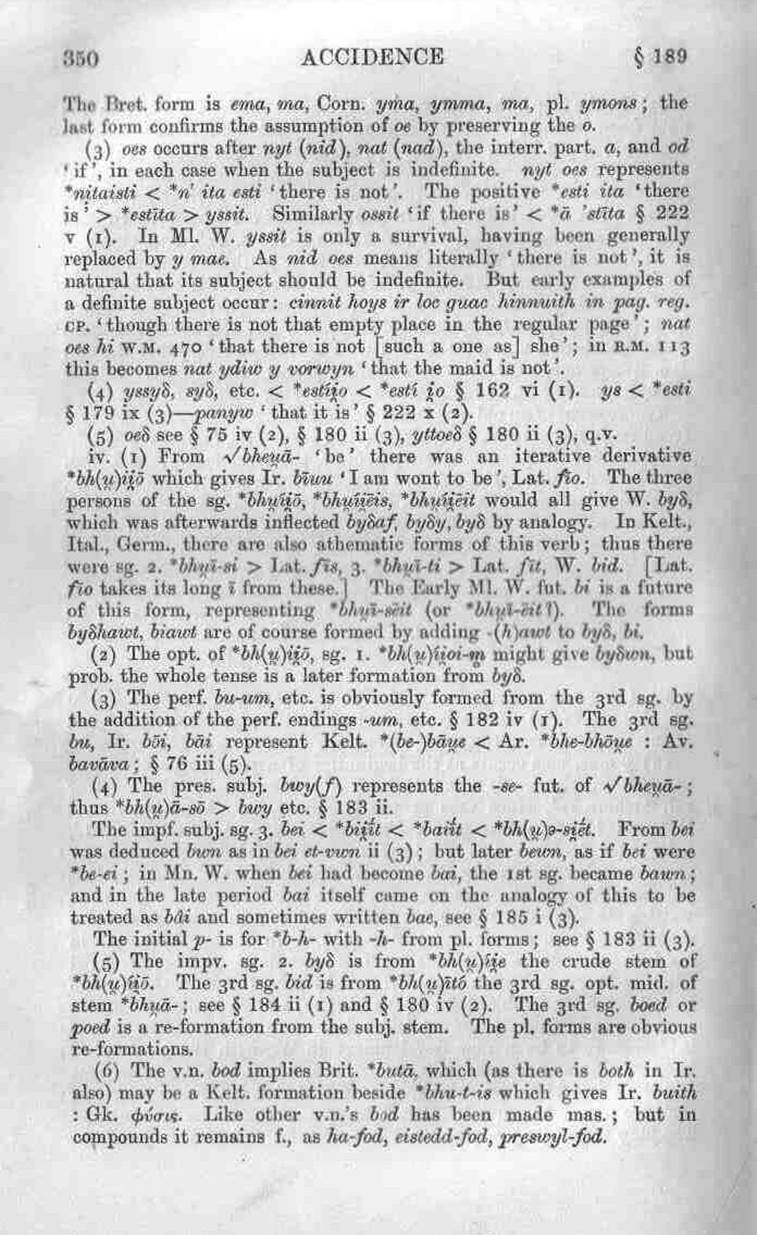

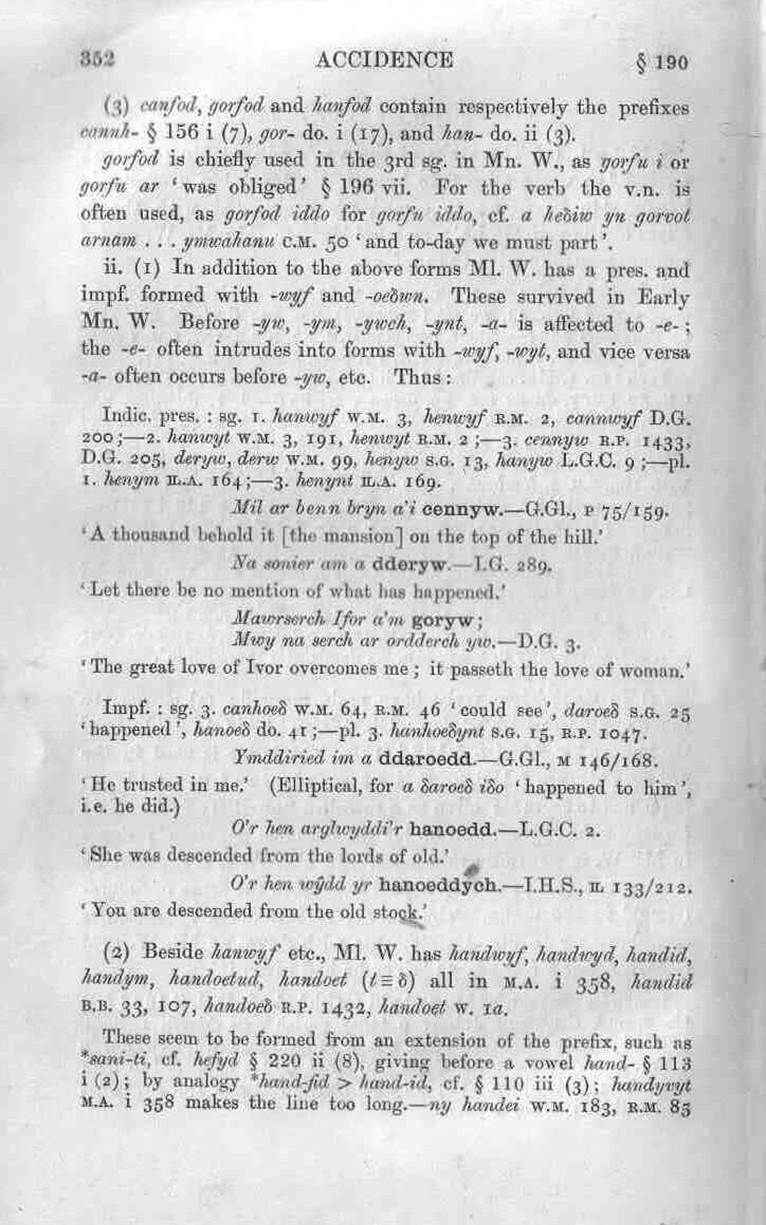

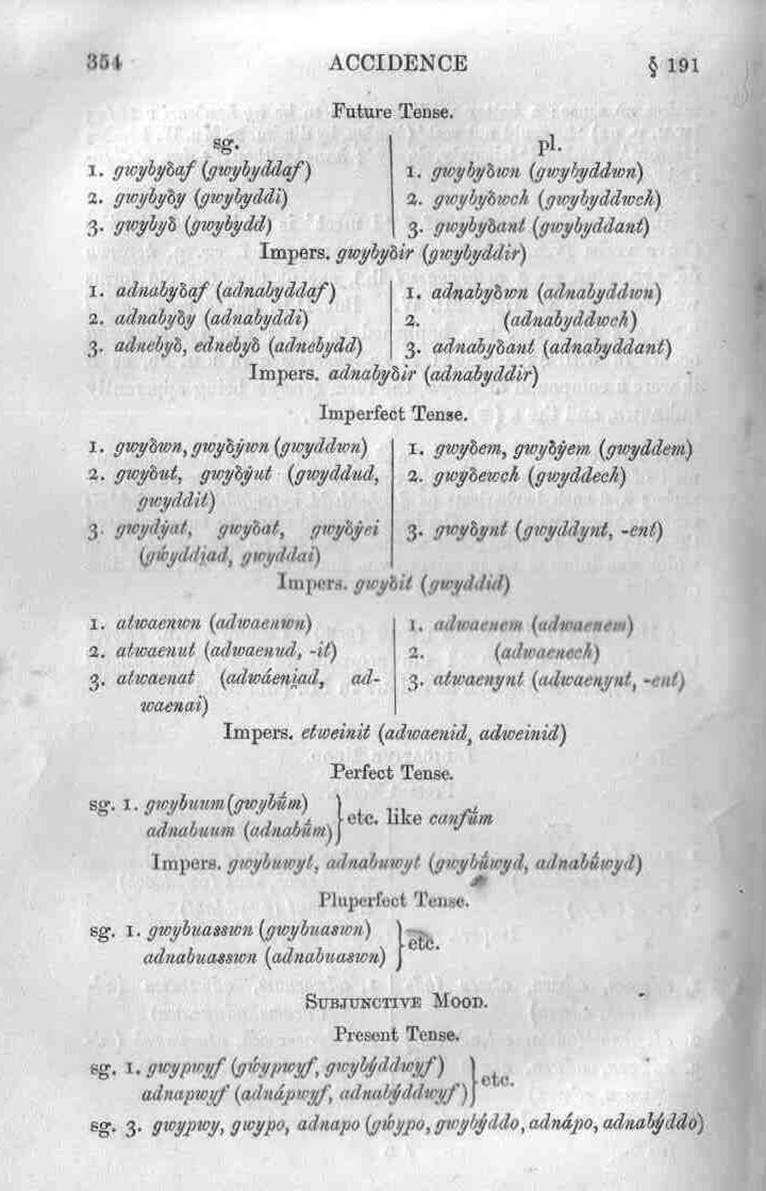

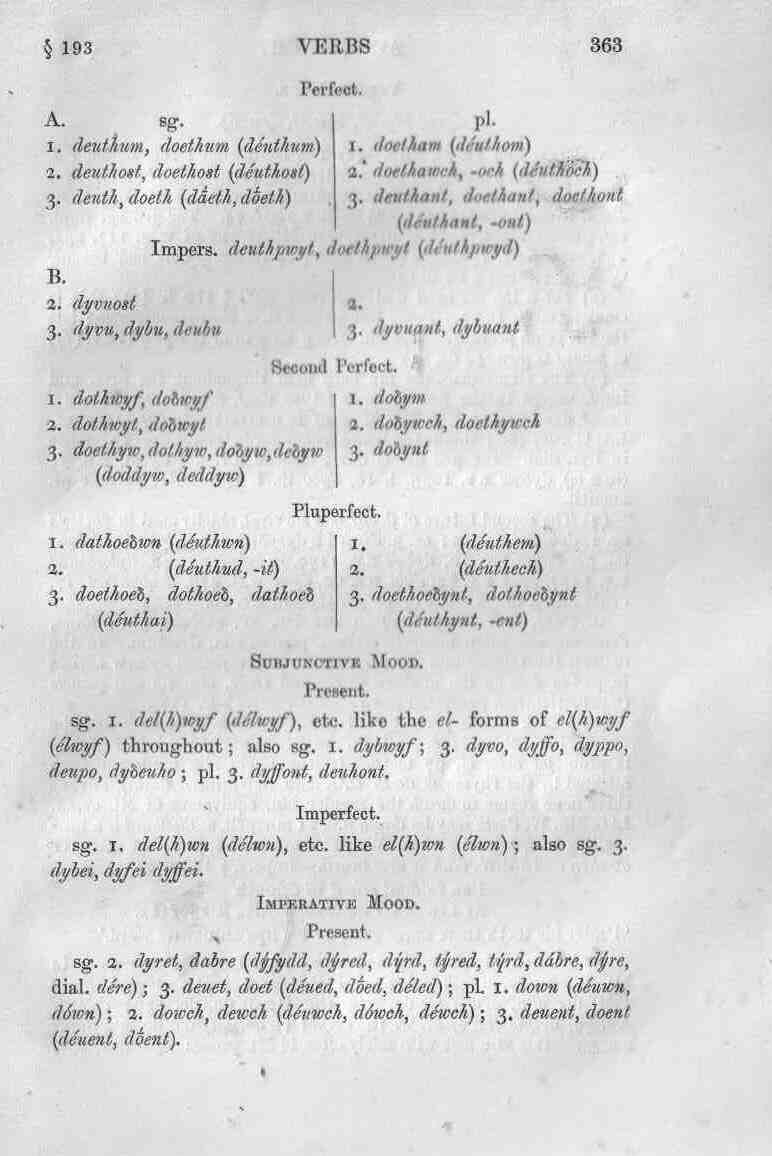
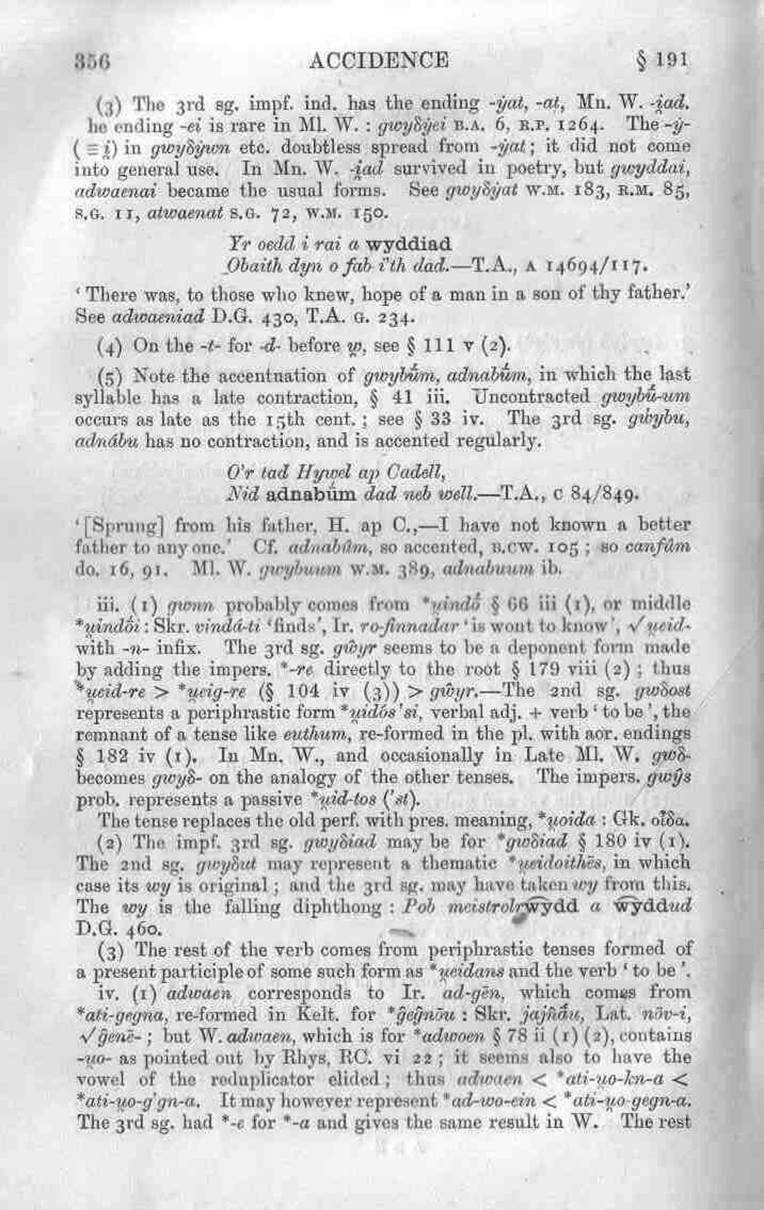

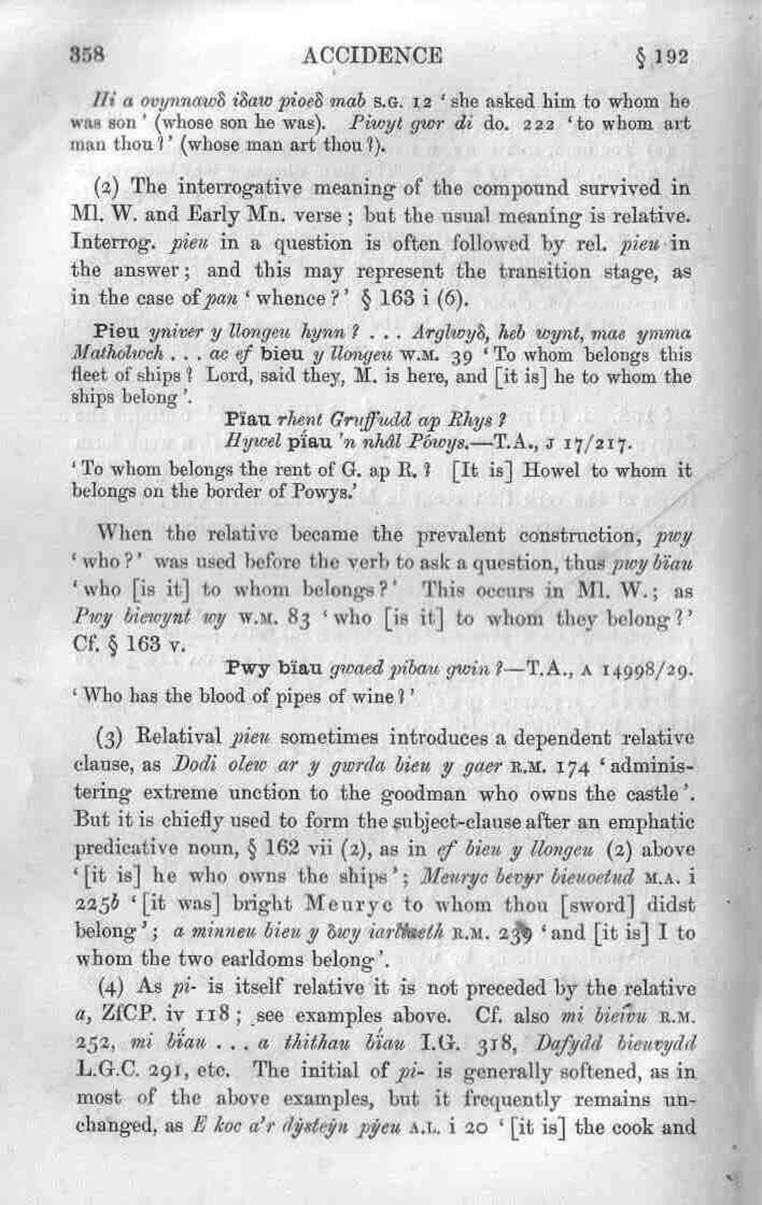

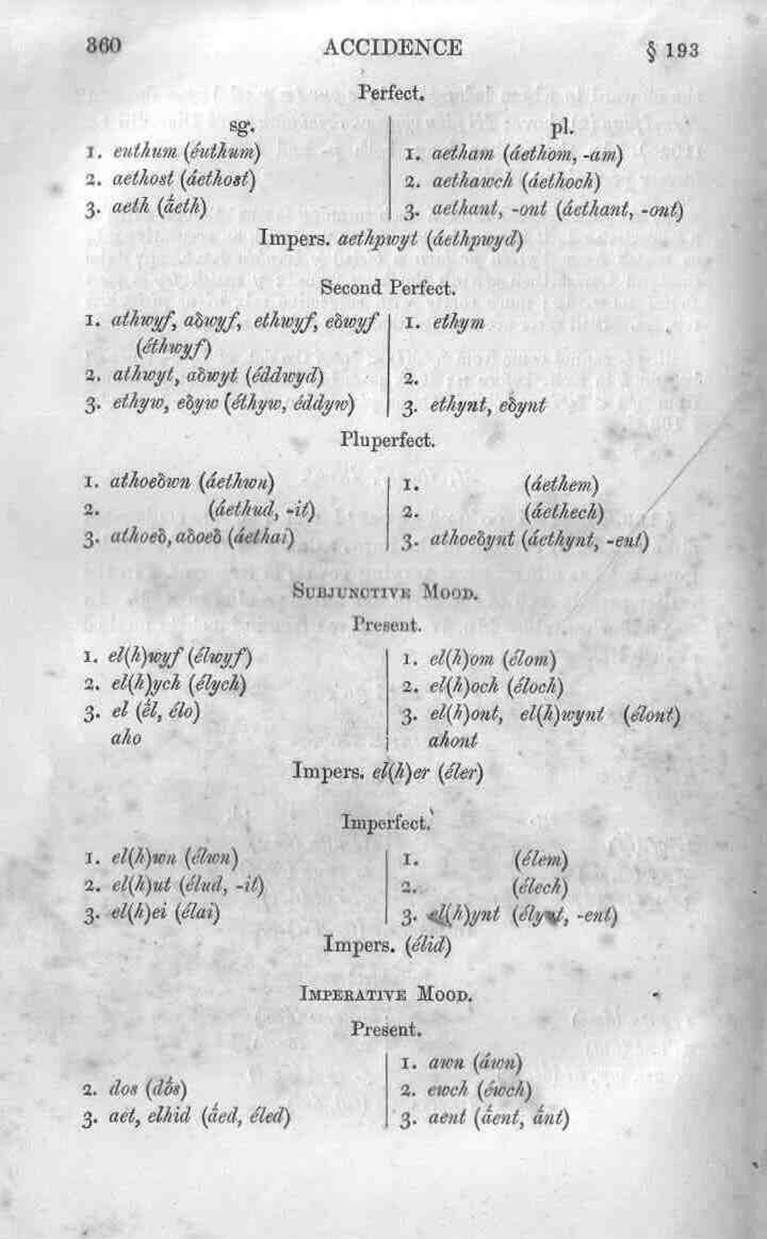
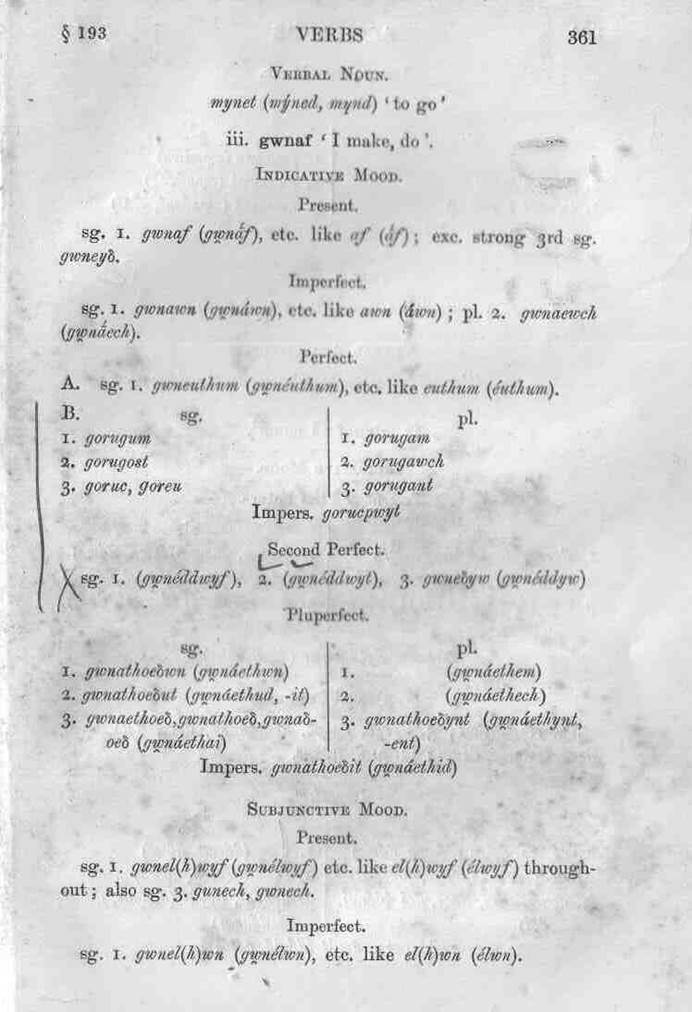

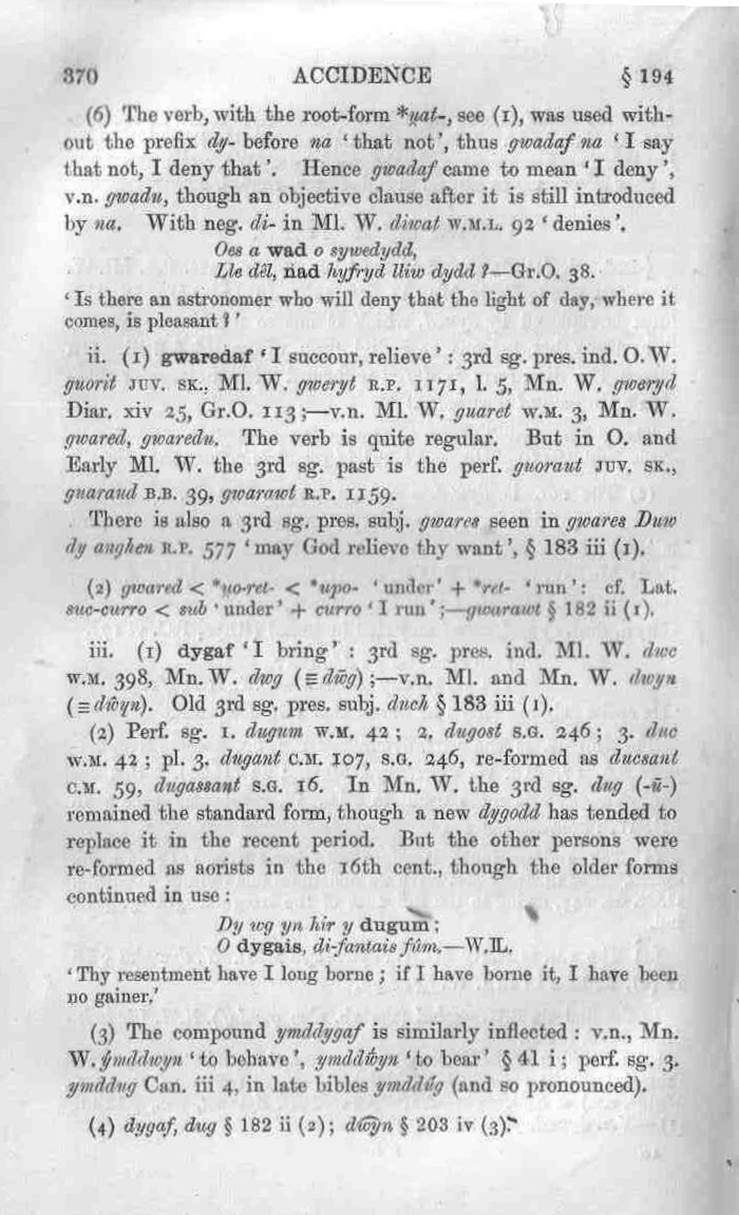

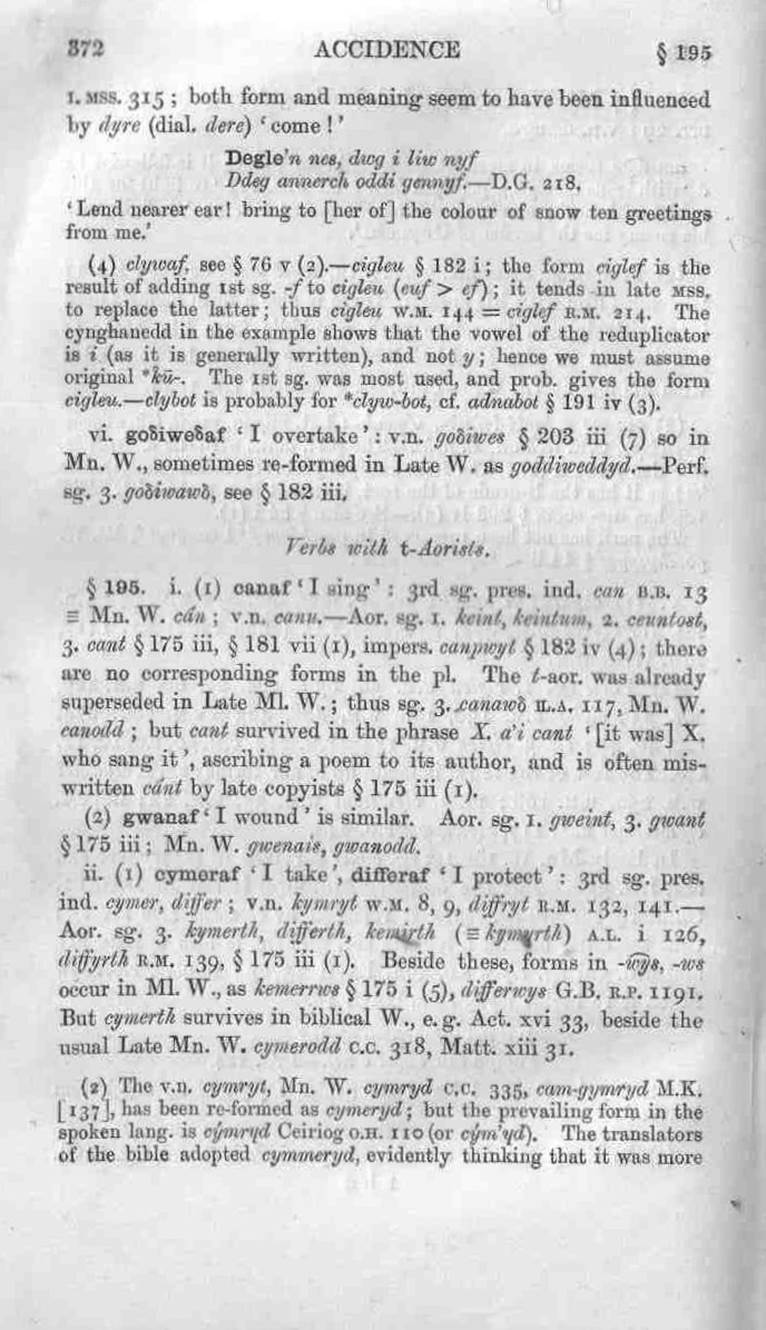
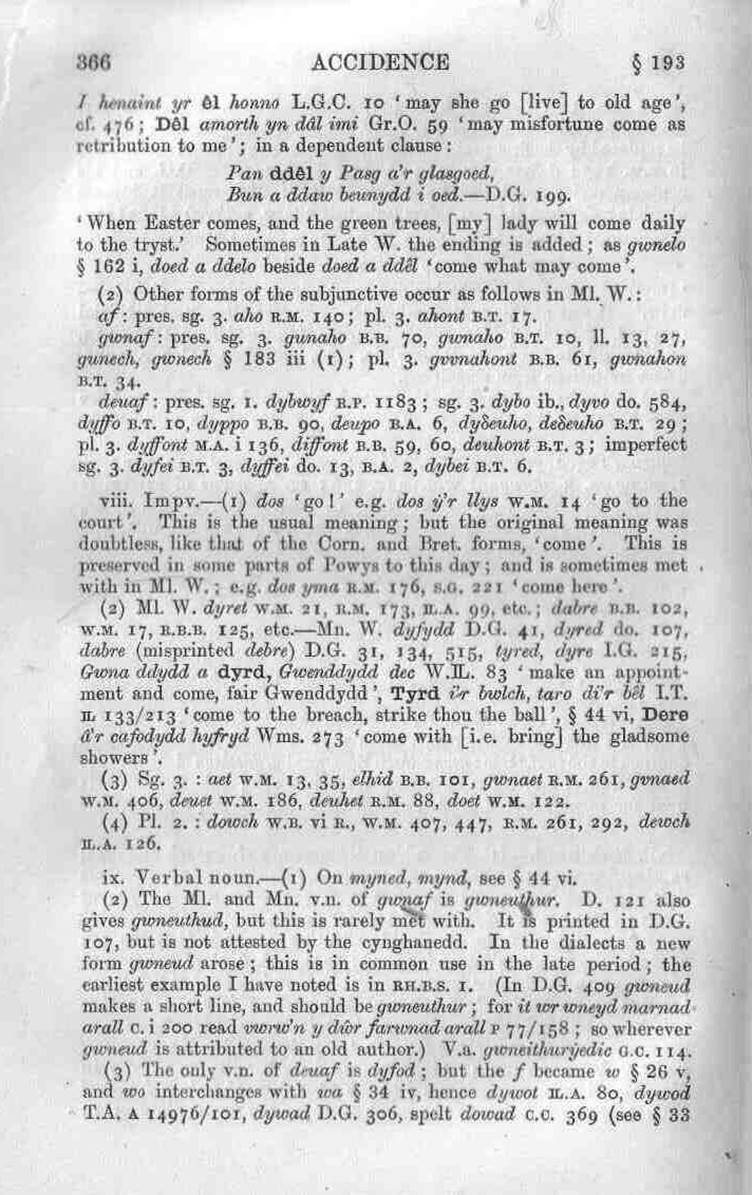
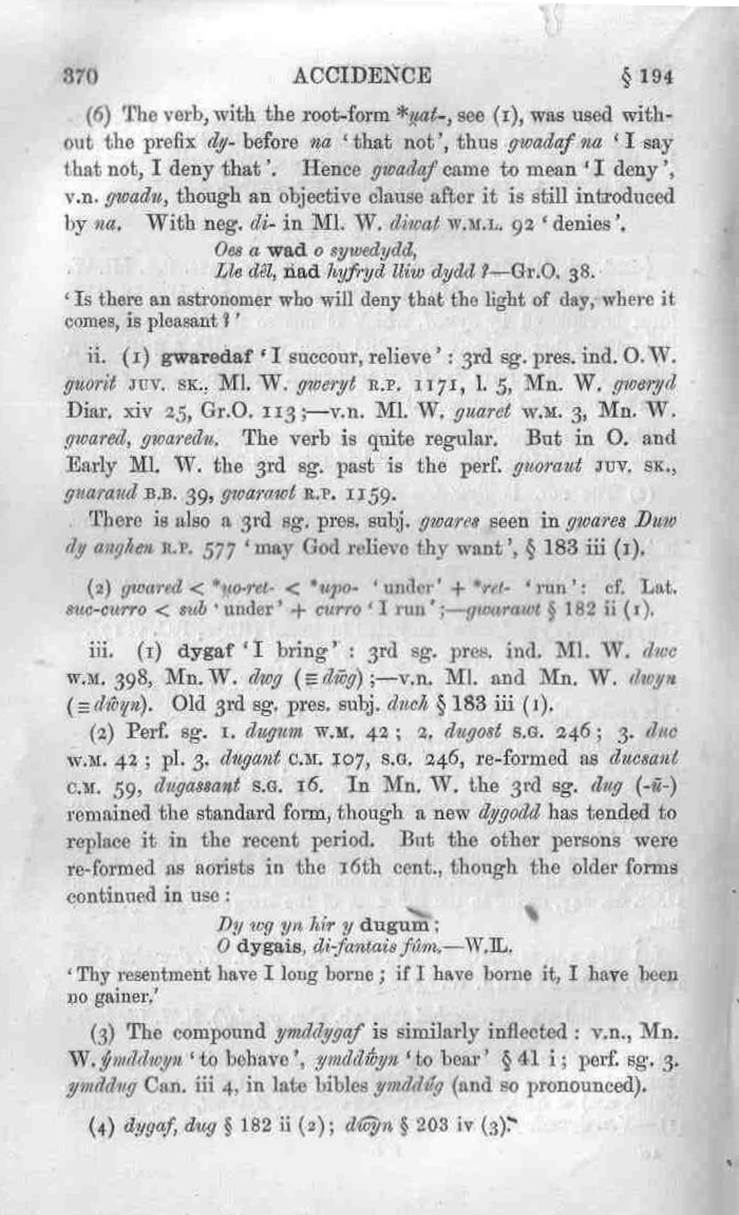
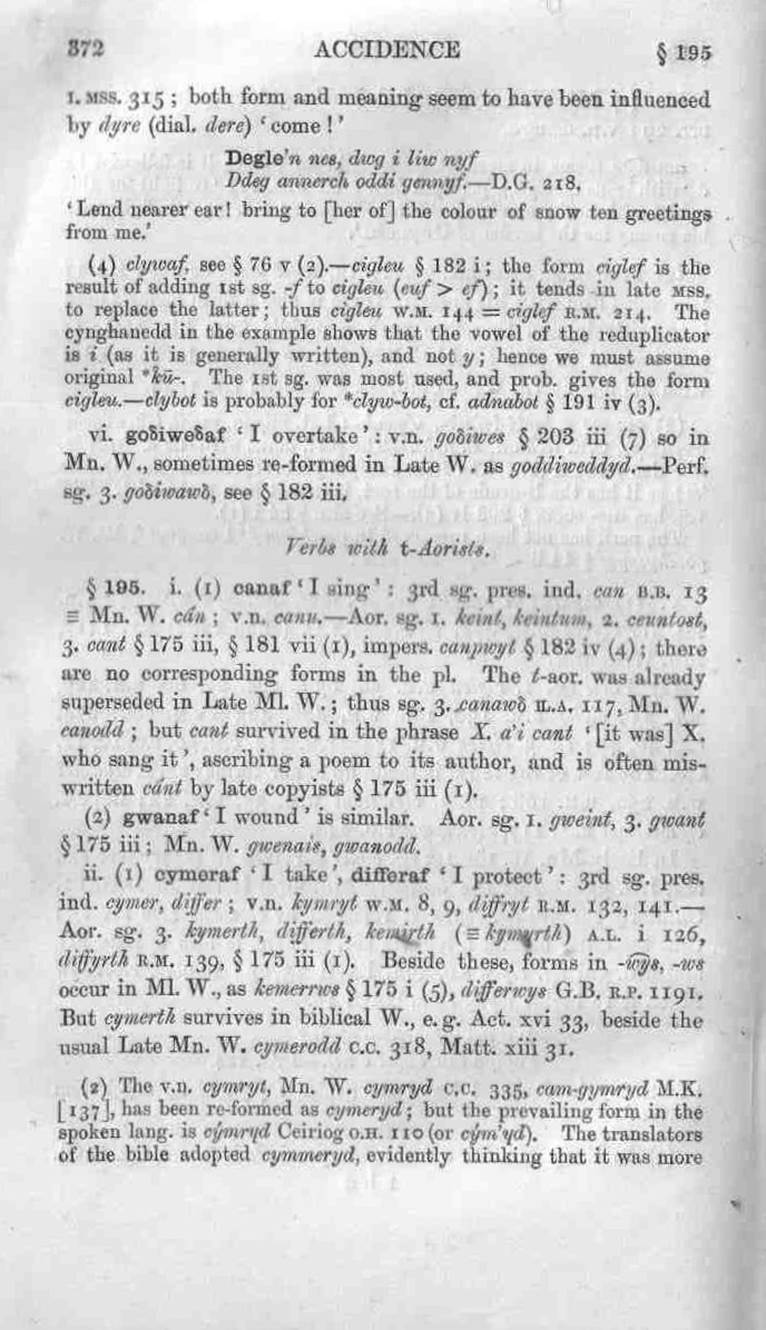
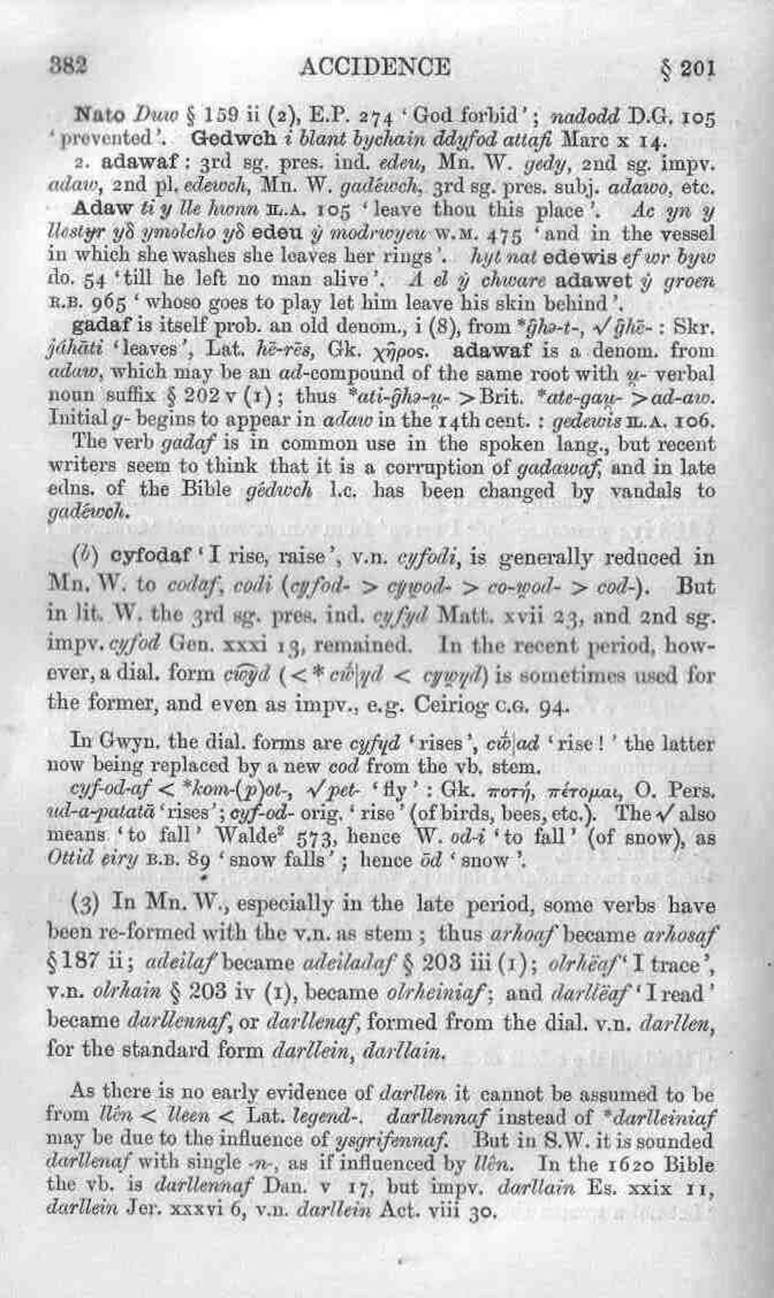
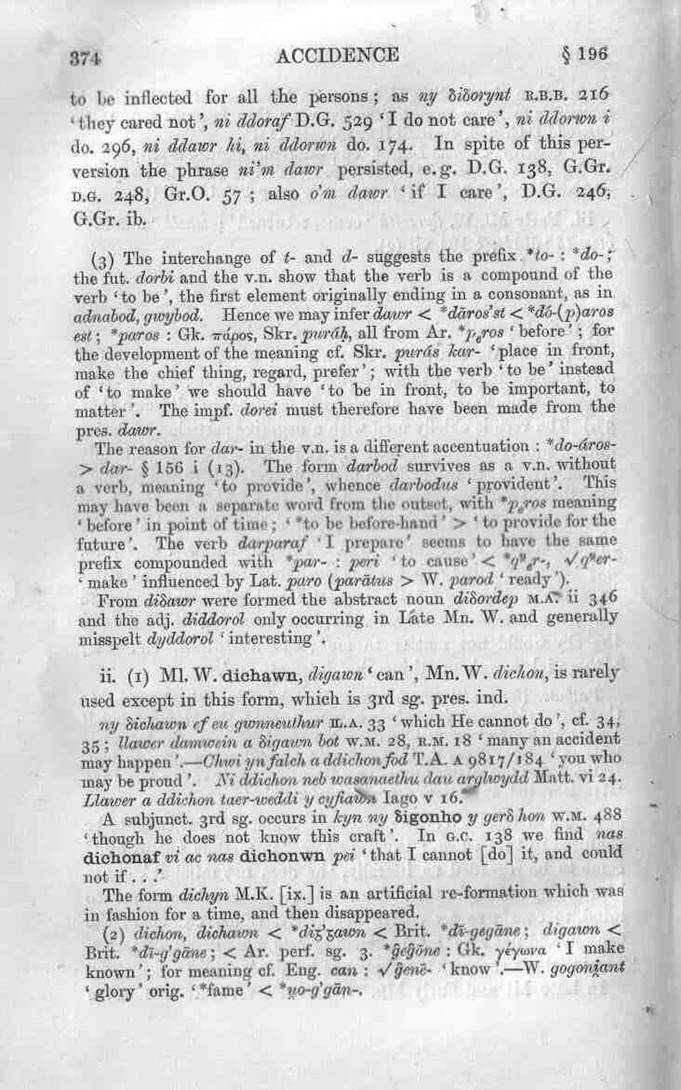

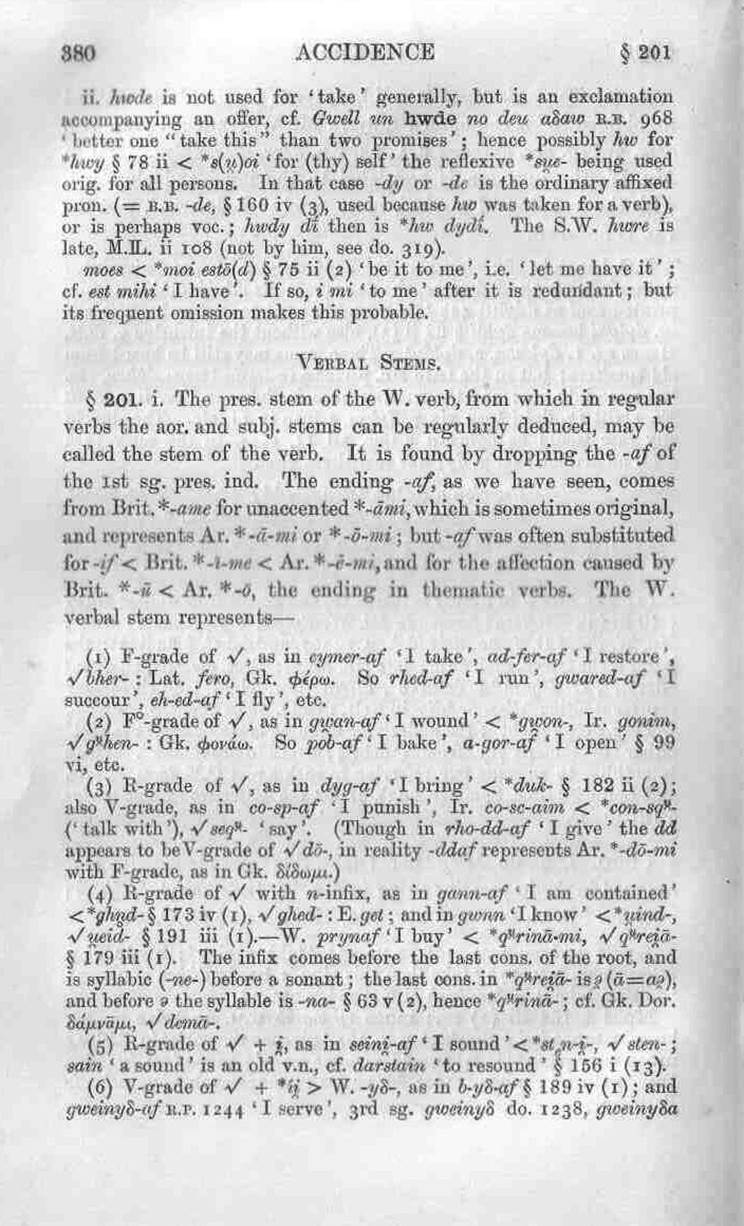
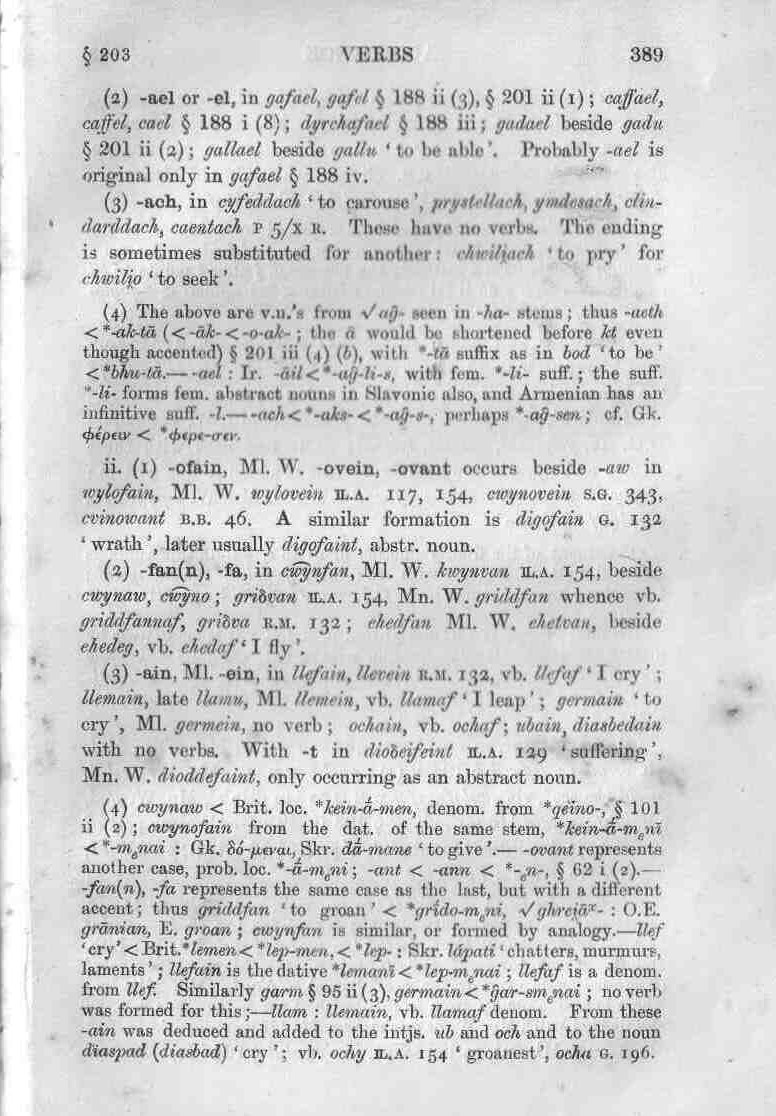
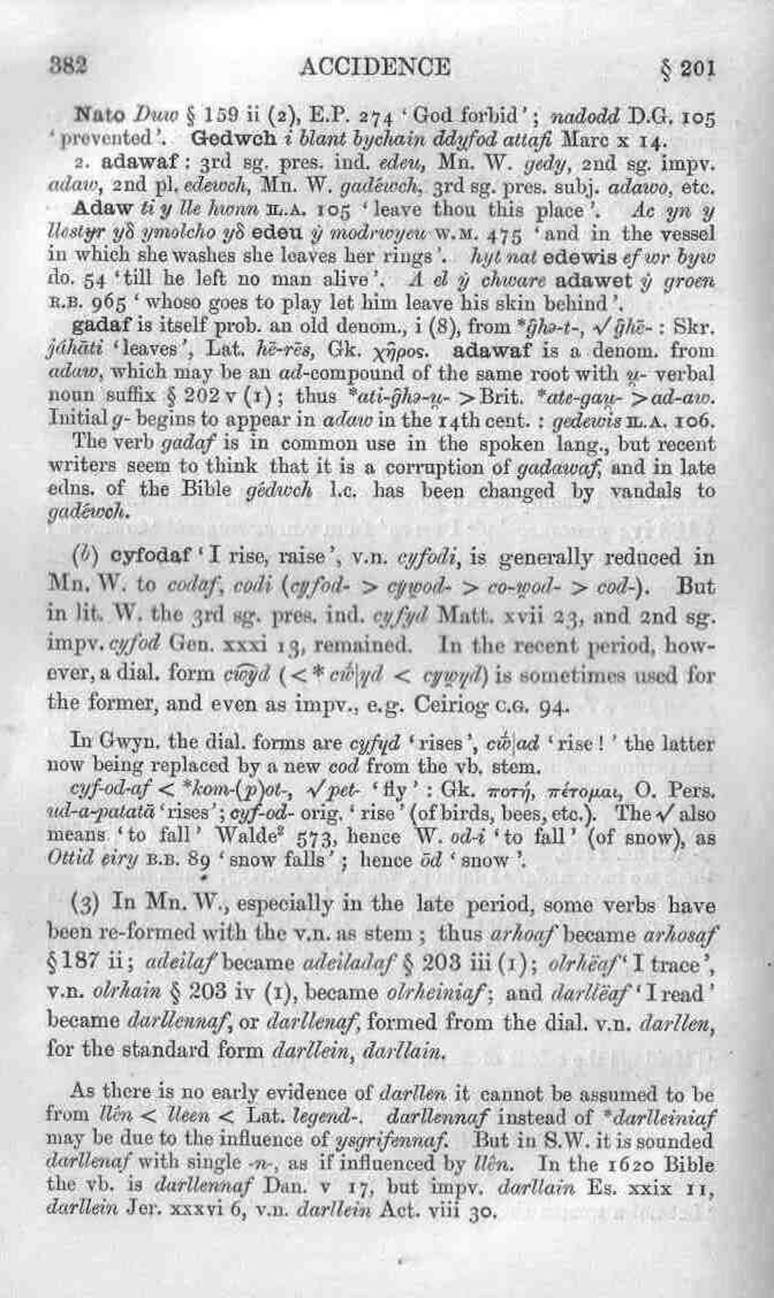
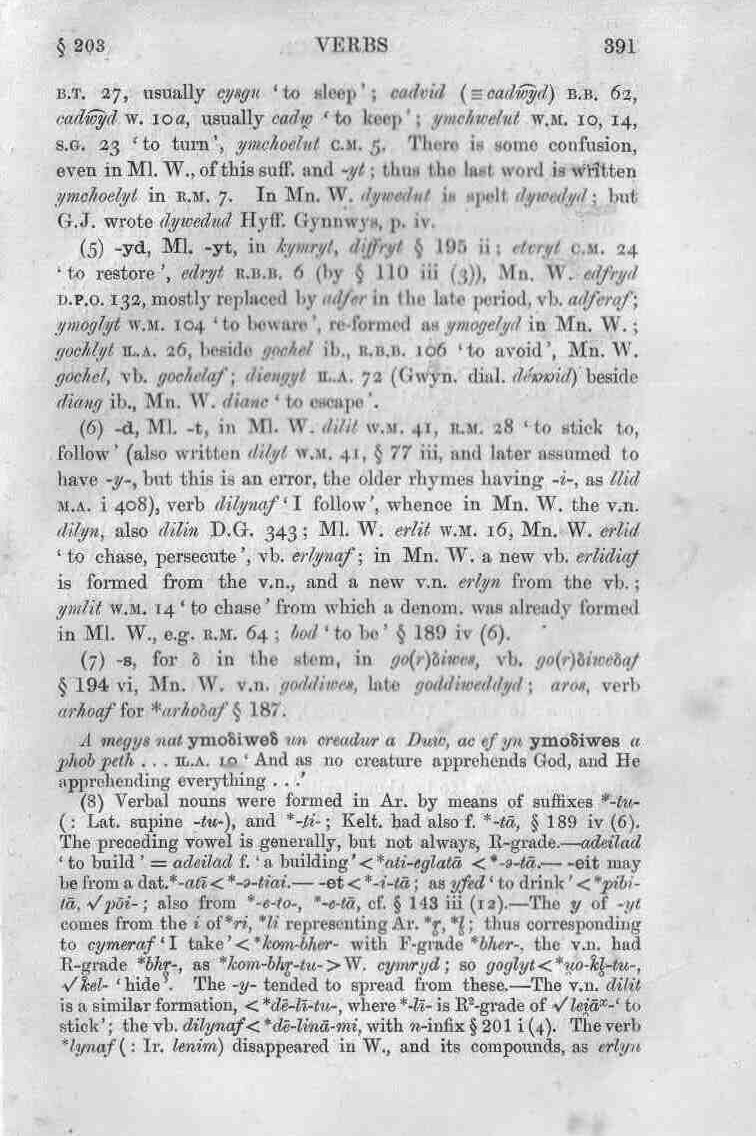
![[1]](https://en.wikisource.org/wiki/Page:Morris-Jones_Welsh_Grammar_0365.png#cite_note-1)
Y DUDALEN NESAF:
2653e
Sumbolau:
a A / æ Æ / e E / ɛ Ɛ /
i I / o O / u U / w W / y Y /
…..
…..
MACRON: ā Ā / ǣ Ǣ /
ē Ē / ɛ̄ Ɛ̄
/ ī Ī / ō Ō /
ū Ū / w̄ W̄ / ȳ Ȳ /
MACRON + ACEN DDYRCHAFEDIG: Ā̀ ā̀ , Ḗ ḗ,
Ī́ ī́ , Ṓ ṓ , Ū́
ū́, (w), Ȳ́ ȳ́
MACRON + ACEN DDISGYNEDIG: Ǟ ǟ , Ḕ ḕ,
Ī̀ ī̀, Ṑ ṑ, Ū̀
ū̀, (w), Ȳ̀ ȳ̀
MACRON ISOD: A̱ a̱ , E̱ e̱ , I̱ i̱ ,
O̱ o̱, U̱ u̱, (w), Y̱ y̱
BREF: ă Ă / ĕ Ĕ / ĭ Ĭ / ŏ Ŏ / ŭ Ŭ
/ B5236:  B5237:
BREF GWRTHDRO ISOD: i̯, u̯
CROMFACHAU: ⟨ ⟩ deiamwnt
A’I PHEN I LAWR: ∀, ә, ɐ (u+0250) https:
//text-symbols.com/upside-down/
…..
…..
ˡ ɑ ɑˑ aˑ a: / æ æ: / e eˑe:
/ ɛ ɛ: / ɪ iˑ i: / ɔ oˑ o:
/ ʊ uˑ u: / ə / ʌ /
ẅ Ẅ / ẃ Ẃ / ẁ Ẁ / ŵ Ŵ /
ŷ Ŷ / ỳ Ỳ / ý Ý / ɥ
ˡ ð ɬ ŋ ʃ ʧ θ ʒ ʤ /
aɪ ɔɪ əɪ uɪ ɪʊ aʊ ɛʊ əʊ / £
ә ʌ ẃ ă ĕ ĭ ŏ ŭ ẅ ẃ
ẁ Ẁ ŵ ŷ ỳ Ỳ
…..
…..
Hwngarwmlawt: A̋ a̋
g yn
yn  aith δ δ
…..
…..
ә ʌ ẃ ă ĕ ĭ ŏ ŭ ẅ ẃ
ẁ ŵ ŷ ỳ
Ә Ʌ Ẃ Ă Ĕ
Ĭ Ŏ Ŭ Ẅ Ẃ Ẁ Ẁ Ŵ Ŷ Ỳ Ỳ
…..
….
Hwngarwmlawt: A̋ a̋
g yn
yn  aith δ δ
…..
…..
ʌ ag acen ddyrchafedig / ʌ with acute accent: ʌ́
|
Shwa ag acen ddyrchafedig Xwa amb accent agut Schwa with acute |
|
|
DejaVu Serif |
…..
wikipedia,
scriptsource.[]org
https://[ ]en.wiktionary.org/wiki/ǣ
…..
Y TUDALEN HWN /THIS PAGE / AQUESTA PÀGINA:
http://
[]www. []kimkat.org/amryw/1_gramadegau/gramadeg_2_1913_jmj_welsh_grammar_09_350-399_2652e.htm
____________________________________
Adolygiadau diweddaraf: Dÿdd
Mawrth 2005-11-20; Iau 2007-04-12
Sumbolau
arbennig: ŷ ŵ
Ble’r wyf i? Yr ych chi’n ymwéld ag un o dudalennau’r Gwefan
“CYMRU-CATALONIA”
On sóc? Esteu visitant una pàgina de la Web “CYMRU-CATALONIA” (=
Gal”les-Catalunya)
Weør àm ai? Yùu àar vízïting ø peij
fròm dhø “CYMRU-CATALONIA” (= Weilz-Katølóuniø) Wéb-sait
Where am I? You are visiting a page from the
“CYMRU-CATALONIA” (= Wales-Catalonia) Website
CYMRU-CATALONIA
o ymwelwyr i’r Adran Gramadeg oddi ar 1 Medi
2005
Edrychwch
ar fy Ystadegau / View My Stats